Understanding saree craftsmanship: a guide for 2026
When you think of a saree, you might picture a simple length of draped fabric. Yet behind each handcrafted saree lies an intricate world of artisan skill, cultural heritage, and sustainable textile traditions passed down through generations. Understanding the craftsmanship behind these garments transforms how you appreciate and shop for sarees, connecting you to the weavers, techniques, and regional stories woven into every thread. This guide reveals the artistry, processes, and values that make handcrafted sarees treasures of Indian textile heritage in 2026.
Table of Contents
- The Roots Of Saree Craftsmanship: Regional Styles And Traditions
- The Artisan’s Process: Traditional Techniques And Materials
- Saree Craftsmanship And Sustainable Fashion In India
- Caring For Handcrafted Sarees: Maintenance Tips To Preserve Art
- Explore Handcrafted Sarees At Khanduapata
- Frequently Asked Questions
Key takeaways
| Point | Details |
|---|---|
| Regional diversity | Different Indian regions specialize in unique weaving methods, motifs, and materials that define saree identity. |
| Artisan techniques | Handcrafted sarees involve specialized skills including natural dyeing, handloom weaving, and intricate embroidery. |
| Sustainable choice | Supporting handloom sarees reduces environmental impact and preserves artisan livelihoods and cultural traditions. |
| Maintenance matters | Proper care extends the life and beauty of handwoven sarees, protecting delicate fibers and craftsmanship. |
| Informed shopping | Recognizing authentic handloom features helps you support genuine artisans and invest in quality textiles. |
The roots of saree craftsmanship: regional styles and traditions
India’s saree heritage spans centuries, with each region developing distinctive weaving traditions that reflect local culture, climate, and artisan expertise. Different Indian regions specialize in unique saree weaving methods and motifs, creating a rich tapestry of styles that range from lightweight cotton to opulent silk. Understanding these regional variations helps you recognize the craftsmanship and appreciate the cultural stories embedded in each piece.
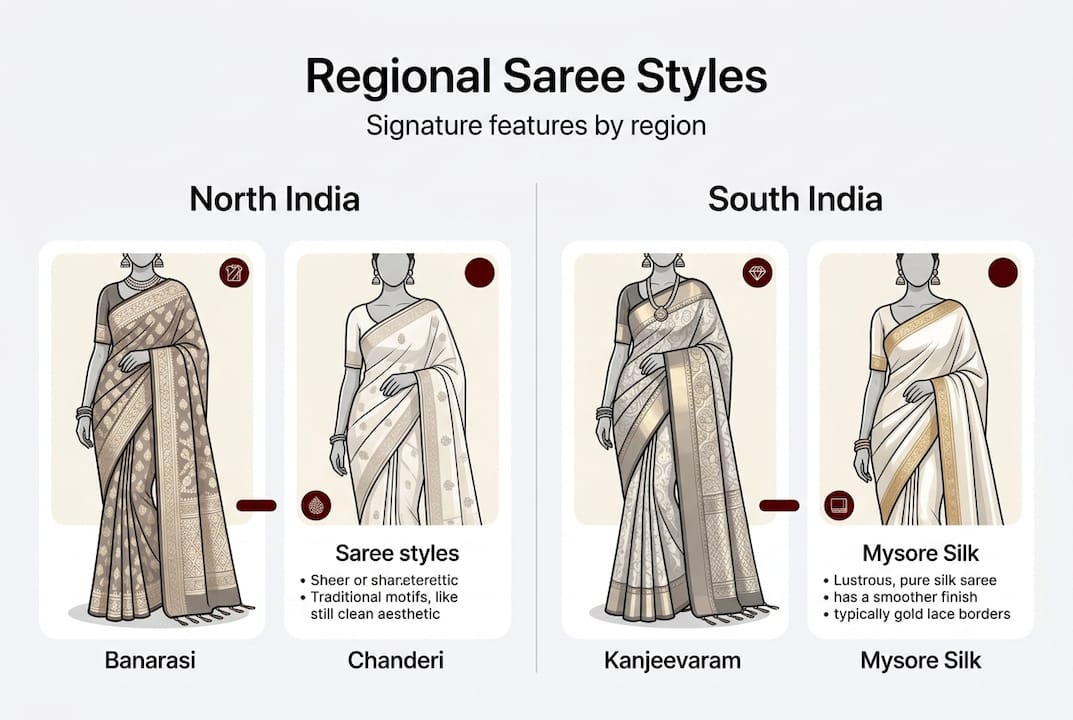
Banarasi sarees from Varanasi feature intricate brocade work with gold and silver zari threads, often depicting Mughal-inspired floral and foliate patterns. Kanjivaram sarees from Tamil Nadu showcase bold temple borders and contrasting pallu designs woven in pure mulberry silk. Chanderi sarees from Madhya Pradesh blend silk and cotton for a lightweight, sheer texture adorned with traditional motifs like coins and peacocks. Paithani sarees from Maharashtra display vibrant colors and peacock designs woven into the pallu using a unique interlocking weft technique.
Artisans use traditional pit looms and throw-shuttle handlooms, tools that have remained largely unchanged for generations. Natural dyes derived from indigo, turmeric, madder root, and pomegranate create the rich, lasting colors that distinguish handloom textiles. The weaving process requires exceptional skill, with master weavers spending weeks or even months completing a single intricate saree. Cultural symbolism runs deep in these textiles. Motifs represent prosperity, fertility, protection, and devotion, connecting wearers to spiritual and social traditions.
Here’s how major regional sarees compare:
| Saree Type | Region | Primary Material | Signature Feature | Typical Weave Time |
|---|---|---|---|---|
| Banarasi | Uttar Pradesh | Silk with zari | Brocade work, Mughal motifs | 15 days to 6 months |
| Kanjivaram | Tamil Nadu | Pure mulberry silk | Temple borders, contrasting colors | 10 days to 3 months |
| Chanderi | Madhya Pradesh | Silk-cotton blend | Sheer texture, coin motifs | 7 to 21 days |
| Paithani | Maharashtra | Silk | Peacock pallu, interlocking weft | 1 to 6 months |
| Sambalpuri | Odisha | Cotton or silk | Ikat dyeing, tribal patterns | 15 days to 2 months |
When you learn to identify authentic Indian handlooms, you gain the ability to distinguish genuine regional craftsmanship from imitations. This knowledge empowers you to make purchases that truly support artisan communities and preserve these irreplaceable textile traditions.
The artisan’s process: traditional techniques and materials
Creating a handcrafted saree involves multiple specialized stages, each requiring distinct artisan skills and traditional knowledge. Handmade sarees use natural fibers like cotton and silk and rely heavily on skilled artisan techniques, ensuring each piece carries unique character and quality. Understanding this process deepens your appreciation for the time, expertise, and dedication woven into every saree.
The creation process unfolds in these essential steps:
- Fiber selection and preparation: Artisans choose high-quality cotton or silk fibers, then clean and card them to remove impurities and align the fibers for spinning.
- Dyeing: Natural dyes extracted from plants, minerals, and insects create vibrant, eco-friendly colors that penetrate fibers deeply for lasting beauty.
- Spinning: Hand spinners or traditional charkhas transform prepared fibers into yarn, with tension and twist carefully controlled for strength and texture.
- Warping and sizing: Weavers arrange warp threads on the loom frame and apply natural sizing agents like rice starch to strengthen threads during weaving.
- Weaving: Using handlooms, weavers interlace warp and weft threads in intricate patterns, adjusting tension and shuttle movements to create the desired design.
- Embellishment: Artisans add zari work, embroidery, or block printing to enhance the saree’s visual appeal and cultural significance.
- Finishing: Final steps include washing, starching, and pressing to bring out the fabric’s luster and drape.
Natural materials form the foundation of authentic handloom sarees. Cotton from Indian fields offers breathability and comfort, perfect for everyday wear in warm climates. Mulberry silk provides luxurious sheen and drape for special occasions. Natural dyes not only create beautiful colors but also support sustainable practices by avoiding synthetic chemicals that harm waterways and soil.
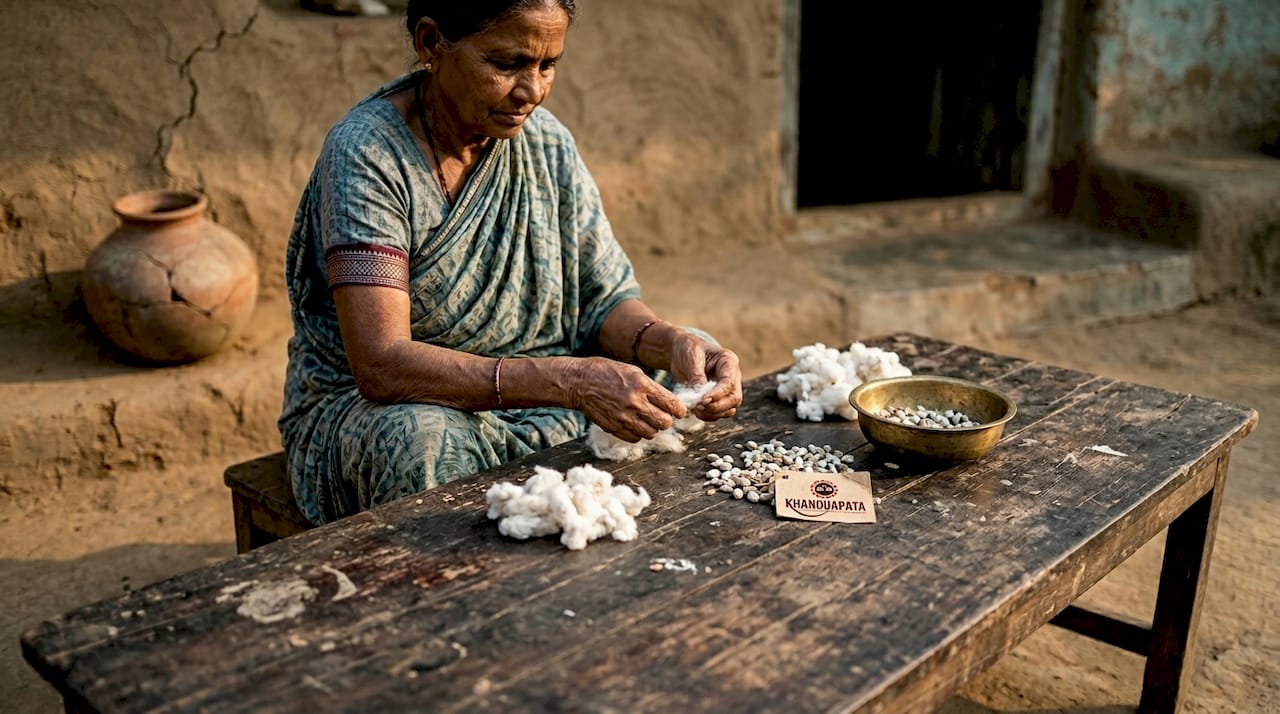
Pro Tip: Examine the reverse side of a handwoven saree closely. You’ll notice slight irregularities in weave tension and pattern alignment that signal authentic handcrafted work, unlike the perfect uniformity of machine-made textiles.
Common embroidery and embellishment techniques add layers of artistry. Zari work incorporates metallic threads, traditionally real gold or silver, now often high-quality metallic-coated threads. Chikankari embroidery from Lucknow features delicate white threadwork on pastel fabrics. Block printing stamps natural dye patterns onto fabric using hand-carved wooden blocks. Each technique requires years of training to master.
“When I weave a saree, I’m not just creating cloth. I’m continuing a conversation my grandmother started with her grandmother, passing forward stories, skills, and beauty that connect us across time. Every thread carries this legacy.” — Master weaver from Varanasi
The benefits of cotton sarees extend beyond comfort to include sustainability, durability, and versatility. Cotton’s natural fibers breathe, absorb moisture, and withstand frequent washing, making handwoven cotton sarees practical investments that last for decades when properly cared for.
Saree craftsmanship and sustainable fashion in India
As global fashion increasingly prioritizes sustainability, handcrafted sarees emerge as exemplars of ethical, eco-conscious textile production. Supporting handmade sarees helps preserve artisan livelihoods and reduces environmental impact compared to mass-produced textiles, making your fashion choices powerful tools for positive change. The connection between traditional craftsmanship and modern sustainability values runs deeper than many realize.
Handloom production uses significantly less water and energy than industrial textile manufacturing. Traditional looms require no electricity, relying instead on human power and simple mechanical advantage. Natural dyeing processes avoid toxic chemicals that pollute waterways, while plant-based dyes biodegrade harmlessly. Artisan workshops operate on small scales with minimal waste, as weavers carefully plan each saree to use materials efficiently.
Beyond environmental benefits, purchasing handcrafted sarees directly supports living cultural traditions and local economies:
- Artisan families earn fair income that sustains their households and allows them to pass skills to the next generation
- Traditional weaving communities maintain their cultural identity and social structures built around textile craftsmanship
- Rural economies benefit from decentralized production that keeps wealth in local communities rather than concentrating it in urban factories
- Ancient techniques and regional styles survive and evolve, preventing the loss of irreplaceable cultural heritage
- Women artisans gain economic independence and decision-making power through fair trade practices
Pro Tip: When shopping for handloom sarees, ask vendors about the saree’s origin, weaving community, and whether artisans receive fair compensation. Genuine handloom retailers proudly share this information and often maintain direct relationships with weaving cooperatives.
You can align your fashion choices with sustainability values through mindful shopping practices. Research brands and retailers committed to fair trade and artisan support. Look for certifications or labels indicating genuine handloom products, though these aren’t always available for smaller producers. Visit craft fairs and government emporiums that connect directly with weaving communities. Consider quality over quantity, investing in fewer, well-made sarees that last for years rather than accumulating fast-fashion pieces.
The sustainable saree shopping workflow guides you through identifying authentic handlooms, verifying artisan support, and making purchases that honor both your style preferences and your environmental values. This approach transforms shopping from a simple transaction into an act of cultural preservation and environmental stewardship.
When you choose handcrafted sarees in 2026, you participate in a global movement reconnecting fashion with ethics, beauty with responsibility, and personal style with collective wellbeing. Each purchase becomes a vote for a textile industry that values people, planet, and heritage alongside profit.
Caring for handcrafted sarees: maintenance tips to preserve art
Proper maintenance protects your investment in handcrafted sarees and ensures these beautiful textiles remain vibrant for generations. Proper saree maintenance extends fabric life and preserves intricate handwoven details, allowing you to enjoy and eventually pass down these pieces as family heirlooms. Understanding how to care for delicate handloom fabrics prevents common damage and maintains their original beauty.
Follow these steps for cleaning and storing handcrafted sarees:
- Read care labels or consult with retailers about specific fabric requirements, as different materials and dyes need different approaches.
- For cotton sarees, hand wash in cool water with mild, pH-neutral detergent, gently squeezing rather than wringing to remove excess water.
- For silk sarees, dry cleaning by professionals experienced with delicate handlooms is safest, though some can be hand washed with extreme care.
- Dry sarees in shade, never direct sunlight, which fades natural dyes and weakens fibers over time.
- Iron cotton sarees while slightly damp on medium heat, and silk sarees on low heat with a pressing cloth to prevent shine marks.
- Fold sarees loosely along different lines each time to prevent permanent creases, or roll them around soft tubes for long-term storage.
- Store in breathable cotton bags or muslin cloth, avoiding plastic that traps moisture and promotes mildew growth.
- Place neem leaves, cloves, or cedar blocks in storage areas to deter insects without using chemical mothballs.
Common mistakes can damage even the finest handcrafted sarees. Avoid these practices:
- Never use harsh detergents, bleach, or fabric softeners that strip natural dyes and damage delicate fibers
- Don’t wring or twist wet sarees, which distorts the weave and can break threads
- Avoid hanging heavy silk sarees on hangers for extended periods, as this stretches and misshapes the fabric
- Never store sarees in damp environments or sealed plastic bags where moisture accumulates
- Don’t spray perfume or deodorant directly on sarees, as alcohol-based products can stain and weaken fibers
- Avoid wearing the same saree repeatedly without rest periods, as fabrics need time to recover their shape
Gentle handling preserves the integrity of handwoven textiles. When wearing your saree, be mindful of jewelry with sharp edges that can snag delicate weaves. Remove sarees carefully, supporting the fabric’s weight rather than pulling. If you notice loose threads, never pull them. Instead, use a fine needle to gently work the thread back into the weave or consult a textile conservator for valuable pieces.
Professional cleaning becomes necessary for heavily soiled sarees or those with complex embellishments. Seek dry cleaners who specialize in traditional Indian textiles and understand the specific needs of handloom fabrics. Inform them about natural dyes, zari work, or other special features that require extra care.
The traditional saree maintenance tips provide detailed guidance for specific fabric types and common issues. Following these practices ensures your handcrafted sarees remain beautiful and wearable for decades, preserving both their monetary value and their cultural significance as works of wearable art.
Explore handcrafted sarees at Khanduapata
Now that you understand the artistry and care behind handcrafted sarees, discover authentic pieces that embody these traditions at Khanduapata. Our collection celebrates the heritage of handloom weaving while supporting the artisan communities who keep these skills alive. Each saree in our curated selection represents genuine craftsmanship, sustainable production, and timeless elegance.
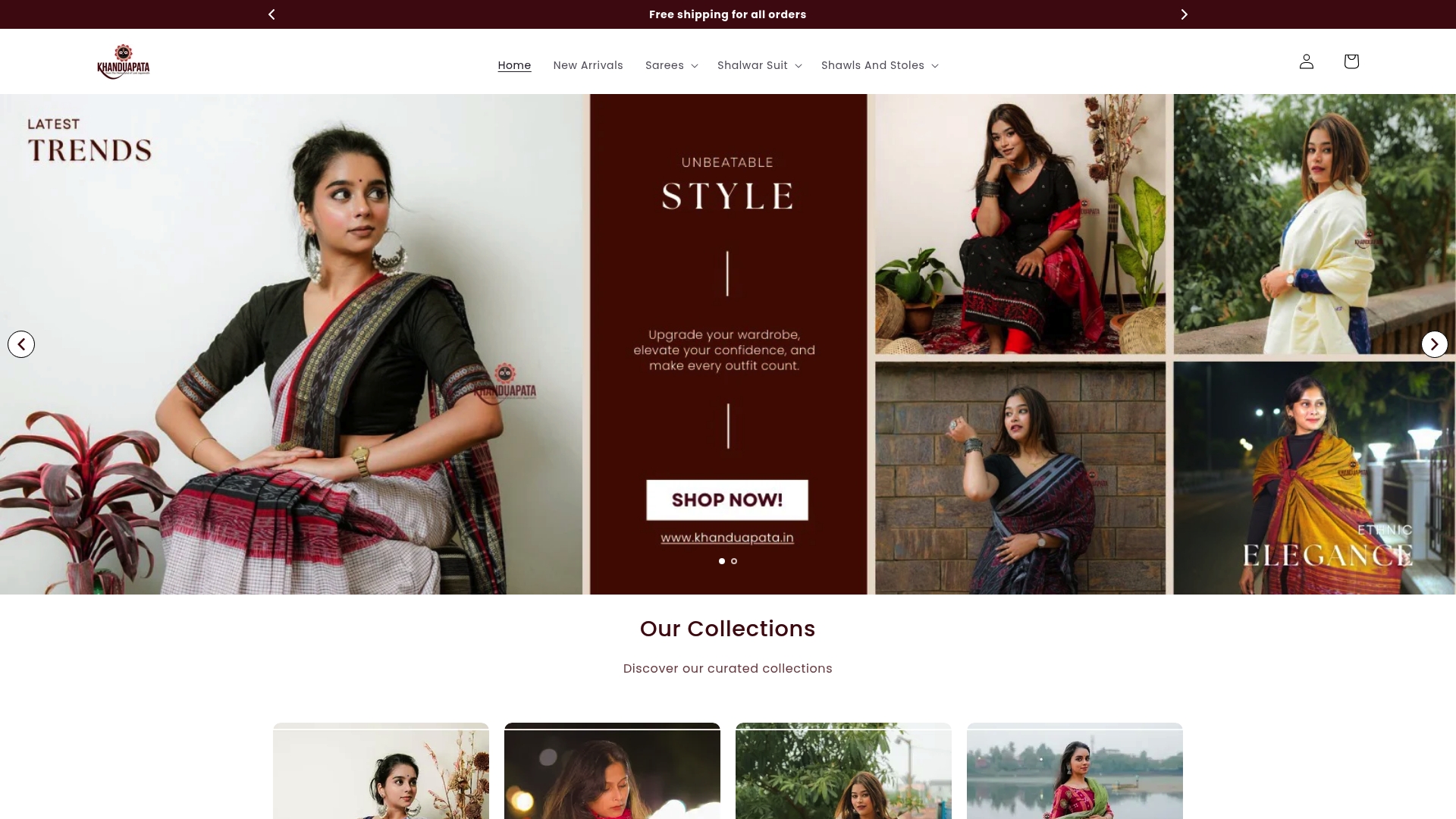
Our aesthetic plant design cotton saree showcases the beauty of natural motifs woven into breathable, comfortable cotton perfect for daily wear. For special occasions, the maroon embroidery tribal chanderi silk saree blends traditional tribal patterns with the luxurious drape of chanderi silk. Every purchase directly supports weaving families and preserves the cultural legacy you’ve learned about in this guide. Explore our full collection at Khanduapata and become part of a tradition that honors craftsmanship, sustainability, and the enduring beauty of handwoven textiles.
Frequently asked questions
What is the difference between machine-made and handcrafted sarees?
Handcrafted sarees feature unique irregularities, natural fiber variations, and artisan details that make each piece one of a kind, while machine-made sarees show uniform patterns and synthetic precision. Handloom sarees use traditional techniques passed through generations and natural materials, supporting cultural heritage and sustainable fashion practices. The texture, drape, and character of handwoven fabric differ noticeably from industrial textiles. Investing in handmade sarees means choosing quality, ethics, and cultural preservation over mass production.
How can I identify authentic handloom sarees?
Look for slight irregularities in weave tension and pattern alignment on the reverse side, which indicate human craftsmanship rather than machine precision. Authentic handlooms often feature natural dye colors with subtle variations and a characteristic luster that synthetic dyes can’t replicate. Check for government handloom marks or certifications when available, though many small artisan producers don’t have formal labeling. The fabric should feel substantial yet breathable, with a distinctive texture that comes from hand-spun yarn. Learning to identify authentic Indian handlooms protects you from purchasing imitations marketed as handcrafted.
Why is saree craftsmanship important for sustainable fashion?
Handloom sarees use eco-friendly materials and production methods that consume minimal water and energy compared to industrial textile manufacturing. Traditional weaving supports decentralized, community-based economies that provide fair livelihoods for artisan families while preserving cultural heritage. Natural dyes and fibers biodegrade safely without polluting waterways or soil. By choosing handcrafted sarees, you reduce demand for fast fashion that exploits workers and damages the environment. The sustainable saree shopping workflow helps you make purchasing decisions aligned with environmental and social responsibility.
How often should I wear my handcrafted sarees?
Wear your handcrafted sarees as often as you like, but allow at least a week of rest between wearings so fibers can recover their natural shape and any moisture can fully dissipate. Rotating between multiple sarees extends the life of each piece by preventing excessive wear on any single garment. Cotton sarees can handle more frequent wear than delicate silk pieces, which benefit from being reserved for special occasions. Regular wearing actually helps maintain fabric suppleness, as textiles stored unused for years can become brittle. Balance enjoyment with care, and your handloom sarees will remain beautiful for decades.