How to identify and buy authentic Indian handlooms
Shopping for Indian handloom textiles should feel rewarding, but many buyers face confusion when mass-produced imitations flood the market. Genuine handwoven fabrics preserve centuries of artisan tradition while supporting sustainable practices, yet verifying authenticity remains challenging for eco-conscious consumers. This guide equips you with practical verification methods, buying strategies, and care tips to confidently purchase authentic handlooms that honor India’s cultural heritage and your environmental values.
Table of Contents
- Understanding Authenticity Of Handlooms
- Eco-Friendly Practices In Handloom Production
- Authenticity Verification And Artisan Sourcing
- Buying Tips For Authentic Handloom Textiles
- Common Mistakes And Troubleshooting In Handloom Purchases
- Expected Timelines And Costs For Handloom Textiles
- Care And Preservation Of Handloom Fabrics
- Alternative Eco-Friendly Textile Options
- Explore Authentic Handwoven Textiles From Khanduapata
- FAQ
Key takeaways
| Point | Details |
|---|---|
| Authentic handlooms are artisan-made on traditional looms using natural fibers | Skilled weavers craft each piece manually, creating unique textures impossible to replicate in factories. |
| Eco-friendly production uses organic fibers and natural dyes | Handloom weaving reduces water consumption by 50-70% and avoids harmful synthetic chemicals. |
| Verify artisan credentials and buy from transparent brands | Check certificates, packaging authenticity notes, and direct artisan partnerships to avoid counterfeits. |
| Plan for 1-3 week delivery and typical price ranges | Custom weaves require time, and prices range from INR 2,000 for simple cottons to INR 20,000+ for intricate silks. |
| Gentle hand washing and proper storage extend fabric life | Use mild detergents, shade drying, and breathable storage to preserve textiles for 5-10+ years. |
Understanding authenticity of handlooms
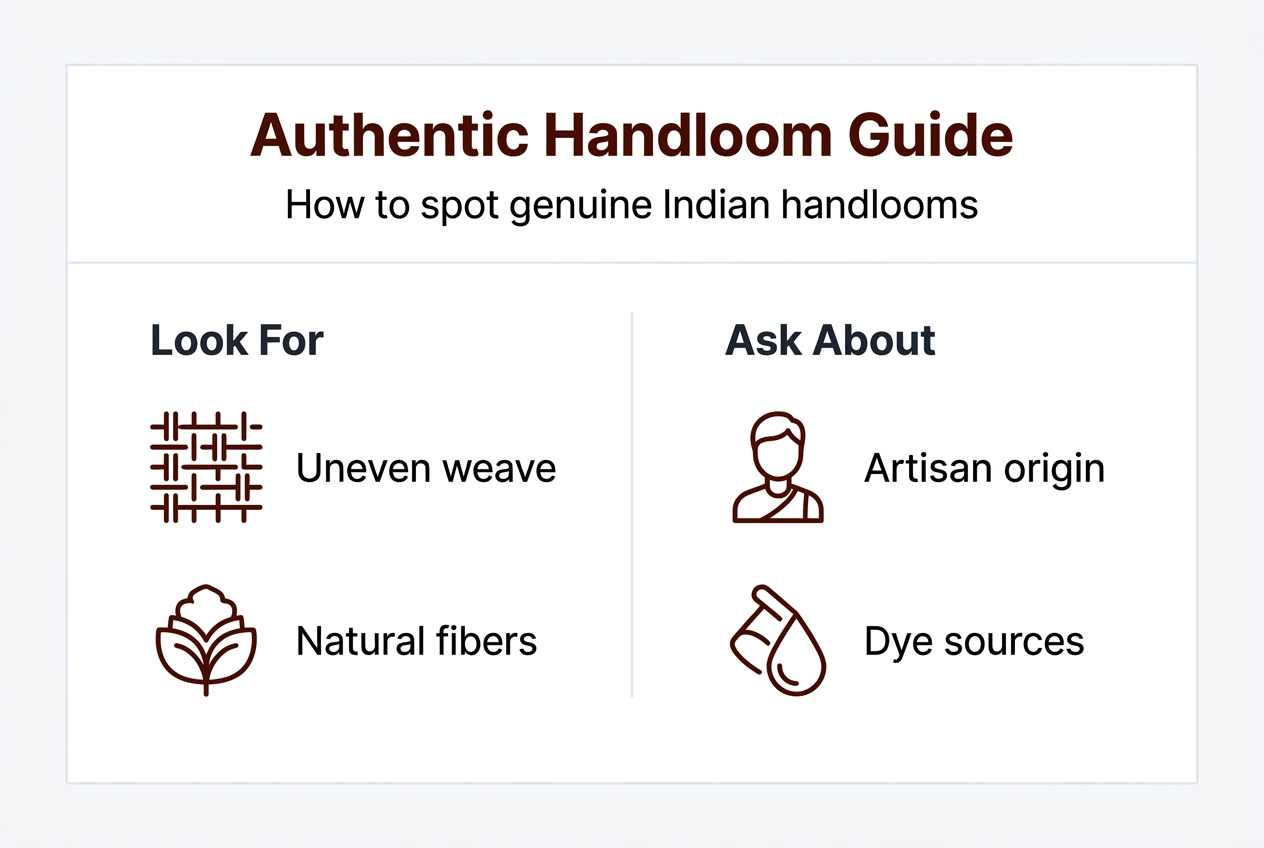
Authentic handloom fabrics are artisan-crafted on traditional looms using natural fibers such as cotton and silk, offering unique textures and durability that mass-produced fabrics lack. Skilled weavers operate foot-powered looms, transforming raw natural fibers into textiles through techniques passed down through generations. Over 2,000 weaving clusters exist across India, each preserving distinct regional craft traditions reflected in patterns, motifs, and color palettes.
These textiles carry cultural significance beyond their physical beauty. Each piece tells a story of the artisan’s heritage, skill, and dedication to preserving traditional methods. The irregularities you notice in genuine handlooms aren’t flaws; they’re signatures of human craftsmanship. Factory looms produce perfectly uniform fabrics, but they can’t replicate the slight variations in tension, weave density, and color gradation that make handlooms special.
Key markers of authentic handlooms include:
- Visible weaving irregularities and natural texture variations
- Breathable natural fibers like cotton, silk, or wool
- Traditional patterns tied to specific regional weaving communities
- Artisan labels or packaging details verifying origin
- Higher price points reflecting labor-intensive production
Brands like Khanduapata specialize in preserving these traditions, offering collections that directly support artisan communities. Their heritage cotton shawls exemplify how authentic handlooms blend cultural heritage with contemporary appeal.
Pro Tip: Run your hand across the fabric surface. Genuine handlooms have a slightly uneven texture, while power looms feel mechanically smooth and uniform.
Eco-friendly practices in handloom production
Handloom weaving stands as one of the most sustainable textile production methods available. Manual looms require no electricity, relying instead on human energy and traditional mechanical principles. This zero-emission approach contrasts sharply with industrial textile mills that consume massive amounts of power and generate significant carbon footprints.
Natural fiber selection further reduces environmental impact. Artisans prefer organic cotton and silk, which grow without synthetic pesticides or fertilizers. These materials biodegrade naturally, unlike synthetic fabrics that persist in landfills for decades. The cultivation and processing of these natural fibers support agricultural communities practicing traditional farming methods aligned with ecological balance.
Water conservation represents another critical advantage. Handloom production reduces water consumption by 50-70% compared to industrial textile mills. Traditional dyeing techniques using plant-based and mineral dyes avoid the water pollution caused by synthetic dyes. Indigo, turmeric, pomegranate rind, and iron oxide create rich colors without toxic runoff.
Sustainable production practices include:
- Manual weaving eliminating electricity consumption
- Organic fiber cultivation without chemical pesticides
- Natural dyes from plants and minerals
- Minimal water usage in dyeing and finishing
- Local sourcing reducing transportation emissions
- Zero waste through traditional production methods
Supporting handloom textiles creates sustainable livelihoods for rural artisans while preserving traditional knowledge systems. Each purchase directly impacts weaving families who maintain these eco-friendly practices through their daily work.
Pro Tip: Ask sellers about their dye sources. Natural dyes produce colors that age beautifully, developing richer tones over time rather than fading harshly like synthetic alternatives.
Authenticity verification and artisan sourcing
Verifying genuine handloom products requires attention to specific markers and sourcing strategies. Start by examining labels and certificates that indicate weaving cluster origins. Authentic products often include documentation identifying the specific artisan community or cooperative responsible for production. This transparency separates legitimate handlooms from mass-produced imitations marketed with misleading handcrafted labels.
Brands with direct artisan partnerships and transparent supply chains report 40% higher consumer trust rates because they openly share production stories. These partnerships allow you to trace your textile back to the actual weaver, creating accountability and ensuring fair compensation reaches artisan communities. Artisan-centric business models achieve 50% higher customer retention because buyers value knowing their purchases directly support traditional craftspeople.
Follow these verification steps:
- Check for artisan certificates or labels with weaving cluster details
- Request information about the specific artisan or cooperative
- Look for artisan signatures or handwritten packaging notes
- Verify the brand shares transparent supply chain information
- Buy directly from artisan cooperatives when possible
- Consult authentication guides for verification techniques
Small batch brands prioritizing artisan welfare typically provide detailed production stories. They photograph weavers at work, share community profiles, and explain how purchases impact local economies. This documentation serves dual purposes: marketing authenticity while educating consumers about traditional crafts.
“The connection between consumer and artisan transforms a simple purchase into cultural preservation. When buyers understand who made their textile and how, they become active participants in sustaining traditional crafts.”
Prefer sellers who welcome questions about fiber sourcing, dye types, and weaving techniques. Knowledgeable responses indicate genuine engagement with artisan communities rather than mere resale of factory products.
Buying tips for authentic handloom textiles
Smart purchasing strategies protect you from counterfeits while ensuring your money supports genuine artisans. Direct purchases from artisan cooperatives or trusted small batch brands eliminate middlemen who sometimes substitute authentic products with factory imitations. Limited edition collections signal handcrafted quality because true handlooms can’t be mass-produced at scale.
Authentic product markers include artisan signatures, detailed packaging information, and certificates of origin. These elements verify the textile’s journey from loom to your hands. Set realistic delivery expectations: custom handwoven pieces typically require 1-3 weeks because rushing artisans compromises quality and contradicts the careful craftsmanship these textiles represent.
Price ranges reflect complexity and materials:
- Simple cotton sarees: INR 2,000-5,000
- Elaborate cotton designs: INR 5,000-10,000
- Basic silk sarees: INR 10,000-15,000
- Intricate silk with embroidery: INR 15,000-25,000+
| Product Type | Price Range | Typical Lead Time |
|---|---|---|
| Cotton suits | INR 2,000-6,000 | 1-2 weeks |
| Cotton sarees | INR 2,500-8,000 | 1-3 weeks |
| Silk sarees | INR 10,000-25,000+ | 2-4 weeks |
| Shawls | INR 1,500-5,000 | 1-2 weeks |
Choose fabrics based on intended use. Daily wear benefits from sturdy cotton weaves like khadi cotton suits. Festival occasions call for richer designs such as temple design cotton sarees. Special events deserve elaborate pieces like tribal cotton suits featuring intricate embroidery.
Key buying practices:
- Purchase from verified artisan sources or transparent brands
- Request packaging details confirming authenticity
- Understand price reflects artisan skill and material quality
- Allow adequate time for custom weaving
- Match fabric weight and design to usage requirements
- Ask about return policies before finalizing purchases
Higher prices don’t guarantee authenticity, but unusually low prices for claimed silk or elaborate designs signal potential fraud. Research typical market rates for specific textile types before shopping.
Common mistakes and troubleshooting in handloom purchases
Up to 30% of online handloom listings misrepresent mass-produced fabrics as authentic artisan products. Unverifiable sellers exploit consumer desire for handlooms without delivering genuine craftsmanship. Protect yourself by refusing to purchase from sellers who can’t provide clear artisan credentials or transparent sourcing information.
Fabric care mistakes cause irreversible damage to delicate handwoven fibers. Machine washing stresses natural fibers beyond their tolerance, causing shrinkage and structural weakening. Hot water and harsh detergents strip natural oils that keep fibers supple. Tumble drying applies excessive heat and mechanical stress that handlooms aren’t designed to withstand.
Delivery expectations require adjustment. Artisanal production operates on craft timelines, not industrial schedules. Expecting instant delivery contradicts the careful handweaving process. Planning purchases 3-4 weeks before needed occasions prevents disappointment.
Confusing terminology misleads buyers. “Handcrafted” labels don’t necessarily mean handloom; factories use this term for products with minimal hand finishing. “Hand-block printed” describes surface decoration, not weaving method. “Artisan-inspired” admits factory production copying traditional designs.
Common pitfalls to avoid:
- Buying from sellers without verifiable artisan connections
- Neglecting fabric-specific care instructions
- Expecting immediate delivery for custom pieces
- Accepting vague “handcrafted” claims without weaving proof
- Skipping questions about fiber sources and dye types
- Ignoring warning signs like suspiciously low prices
When care instructions seem unclear, contact sellers for clarification before washing. Most artisan brands willingly explain proper handling because they want their textiles lasting for years. Consulting repair prevention resources offers strategies applicable across handcrafted products.
Pro Tip: Photograph textiles before first use and document any existing irregularities. This record protects you if disputes arise about damage versus original handloom character.
Expected timelines and costs for handloom textiles
Production timelines vary based on design complexity and artisan availability. Simple cotton sarees with basic patterns require 7-14 days from order to delivery. Intricate silk sarees featuring elaborate borders and pallu designs need 14-21 days or longer. Custom color requests or pattern modifications extend timelines because artisans must source materials and adjust their processes.
Geographic factors affect delivery schedules. Rural weaving clusters often have limited shipping access, adding transit time. International shipments require additional customs processing. Seasonal festivals increase demand, potentially extending wait times during peak periods like Diwali or wedding seasons.
| Textile Type | Production Time | Material Cost Factor | Final Price Range |
|---|---|---|---|
| Simple cotton saree | 7-14 days | Low | INR 2,000-5,000 |
| Elaborate cotton saree | 10-21 days | Medium | INR 5,000-10,000 |
| Basic silk saree | 14-21 days | High | INR 10,000-20,000 |
| Intricate silk saree | 21-30 days | Very high | INR 20,000-40,000+ |
Price structures reflect multiple factors:
- Fiber quality and sourcing costs
- Design complexity and weaving hours
- Artisan skill level and experience
- Dye types (natural dyes cost more)
- Limited batch availability
- Brand support for artisan welfare programs
Higher prices often indicate authentic artisan work rather than factory production. A silk saree priced at INR 3,000 likely comes from power looms, not hand looms. Genuine handwoven silk rarely sells below INR 10,000 because material costs and labor hours demand fair compensation.
Planning purchases around realistic timelines prevents rushed decisions and disappointment. Order special occasion textiles at least one month ahead. Budget purchases allow choosing quality over compromise when prices exceed initial expectations. Understanding that premium prices support sustainable livelihoods helps justify investment in authentic handlooms.
Care and preservation of handloom fabrics
Proper care extends handloom textile life by 5-10 years or more while maintaining their beauty and cultural value. Gentle handling preserves the delicate handwoven structure that gives these fabrics their distinctive character. Each washing and storage cycle either protects or degrades the fibers, so adopting careful practices from the first day pays dividends.
Follow these care steps:
- Hand wash in cool or lukewarm water using mild detergent
- Avoid twisting or wringing; gently press water out
- Rinse thoroughly to remove all detergent residue
- Dry flat or hang in shade away from direct sunlight
- Iron on low to medium heat while slightly damp
- Store in breathable cotton bags, never plastic
- Air out stored textiles monthly to prevent mustiness
- Keep away from mothballs; use natural cedar or neem leaves
Machine washing subjects handlooms to excessive agitation that breaks delicate fibers. Even gentle cycles apply more stress than hand washing. Tumble dryers combine heat and mechanical action that causes shrinkage and weakens fabric structure. Sunlight fading affects natural dyes more dramatically than synthetic ones, so shade drying preserves color vibrancy.
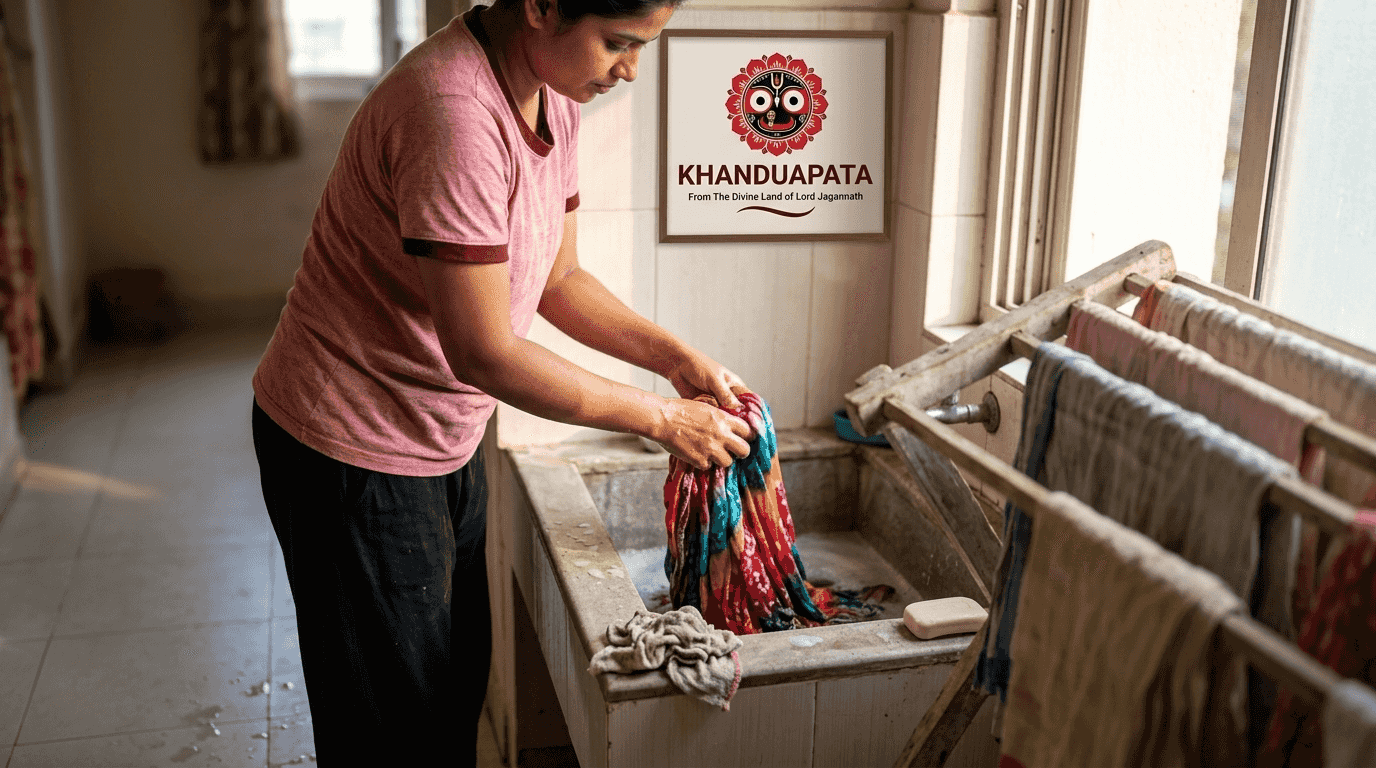
Storage conditions significantly impact longevity. Plastic bags trap moisture, creating environments where mildew thrives. Cotton bags allow air circulation while protecting from dust. Folding along different lines each storage cycle prevents permanent creases. Adding natural moth deterrents like cedar blocks or neem leaves protects wool and silk without chemical damage.
Pro Tip: Store heavier textiles like shawls flat rather than hanging to prevent stretching under their own weight. Lighter cotton sarees can hang on padded hangers that distribute weight evenly.
Regular airing refreshes stored textiles and allows inspection for any developing issues. Catching moisture spots or insect damage early prevents widespread problems. This simple maintenance ritual connects you with the textile’s ongoing life story.
Alternative eco-friendly textile options
Beyond traditional cotton and silk sarees, alternative handloom textiles offer versatility while maintaining sustainability principles. Handloom denim provides durable, eco-friendly fabric for everyday wear. Available in weights from 4.5 to 10+ ounces per square yard, these vegetable-dyed fabrics suit various applications from lightweight shirts to heavy-duty work wear. The manual weaving process creates denim with character that improves with age.
Tussar silk represents another compelling option. This wild silk variety requires no domesticated silkworm farming, making it more sustainable than conventional silk. Artisans hand-weave tussar into breathable fabrics perfect for warm climates. Natural color variations in tussar silk create organic beauty that synthetic dyes can’t replicate.
| Textile Type | Key Benefits | Typical Uses | Price Range |
|---|---|---|---|
| Handloom denim | Durable, vegetable-dyed, various weights | Casual wear, jackets, bags | INR 800-2,000/meter |
| Tussar silk | Breathable, wild silk, natural sheen | Sarees, scarves, kurtas | INR 3,000-12,000 |
| Khadi cotton | Breathable, supports Gandhi’s legacy | Daily wear, suits, shirts | INR 300-1,500/meter |
| Organic cotton muslin | Ultra-light, chemical-free | Summer wear, baby clothes | INR 400-1,000/meter |
These alternatives share core values with traditional handlooms:
- Manual production supporting artisan livelihoods
- Natural or minimally processed materials
- Low environmental impact manufacturing
- Cultural heritage preservation
- Unique aesthetic qualities from handcrafting
Choosing alternative handloom textiles allows balancing tradition with modern lifestyle needs. Handloom denim suits casual contemporary fashion while maintaining eco-friendly credentials. Tussar silk offers formal elegance without conventional silk’s environmental concerns. Both options expand your sustainable wardrobe beyond traditional ethnic wear.
While these alternatives may feature fewer traditional patterns than classic handloom sarees, they maintain the essential connection between consumer, artisan, and sustainable production. They prove that honoring traditional crafts doesn’t require limiting choices to historical designs alone.
Explore authentic handwoven textiles from Khanduapata
Finding verified authentic handlooms becomes simple when you shop from dedicated artisan-supporting brands. Khanduapata specializes in handwoven pure cotton sarees, unstitched suits, shawls, and silk sarees directly connected to traditional weaving communities. Their family heritage includes crafting garments for Lord Jagannath, bringing centuries of devotion and skill to every textile they offer.
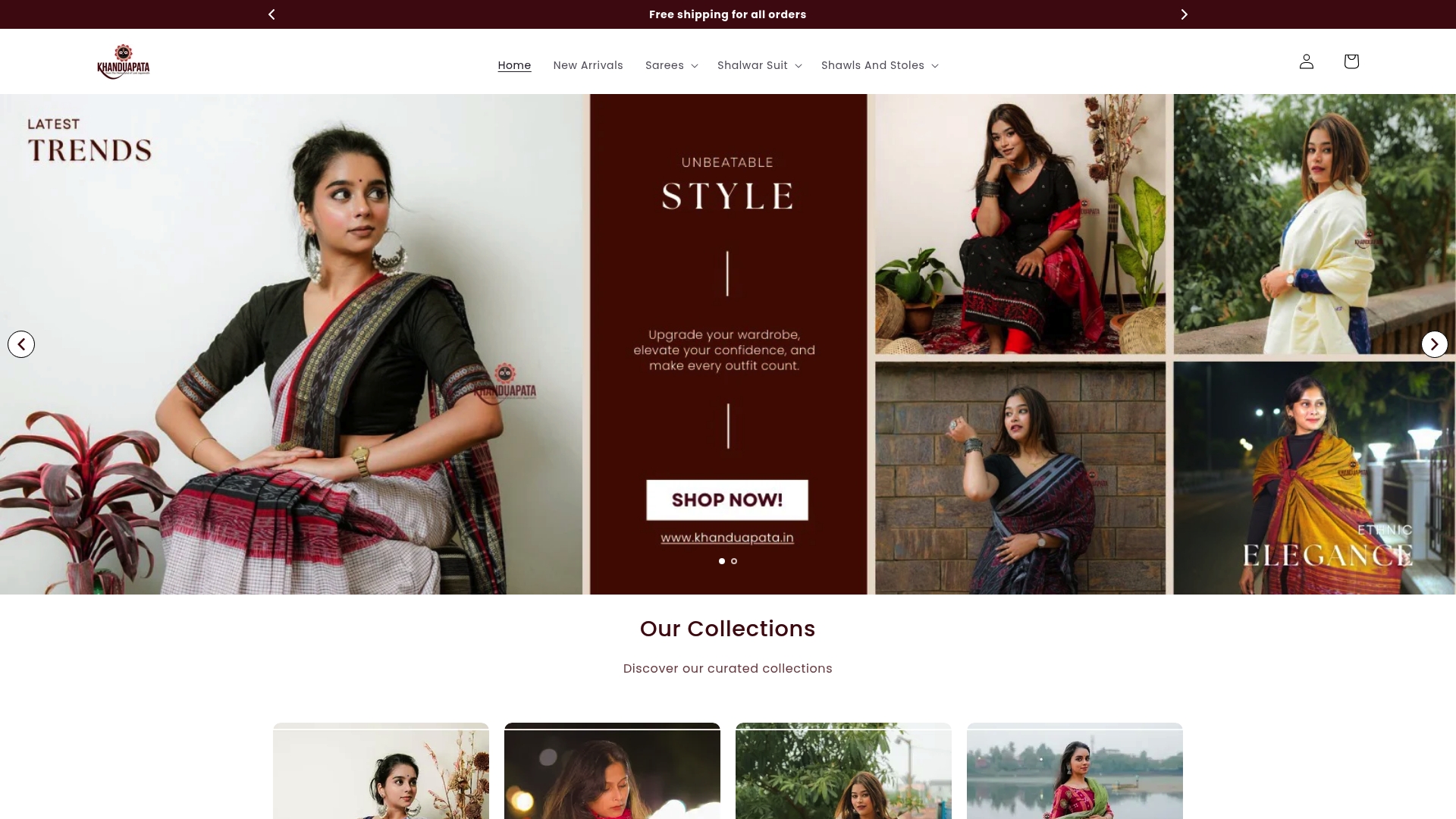
Each piece in their collection carries artisan signatures and transparent sourcing information, eliminating guesswork from your purchasing decisions. Their cotton suits collection features traditional designs perfect for both daily wear and special occasions. The cotton sarees collection showcases regional patterns that preserve cultural heritage while meeting contemporary aesthetic preferences. Shopping at Khanduapata ensures your investment supports genuine artisan communities while acquiring textiles that honor India’s weaving traditions.
FAQ
What are handlooms and why are they important?
Handlooms are manually operated traditional looms where skilled artisans weave fabrics by hand using foot pedals and hand movements. They preserve India’s rich cultural heritage spanning over 5,000 years, with each region developing distinct techniques, patterns, and motifs. Buying handloom products sustains livelihoods for millions of rural weavers while maintaining traditional knowledge systems. These textiles reduce environmental impact through manual production requiring no electricity and using natural fibers. Supporting handlooms helps prevent the loss of irreplaceable craft traditions as modernization pressures artisan communities.
How can I verify that a handloom textile is authentic?
Check for artisan certifications, labels indicating weaving cluster origins, and packaging authenticity notes that trace the product to specific communities. Buy from brands demonstrating transparent supply chains through artisan profiles, production photographs, and direct partnership documentation. Ask sellers detailed questions about fiber sources, dye types, weaving methods, and production timelines. Authentic handlooms show slight irregularities in weave tension and texture that power looms cannot replicate. Request information about the specific artisan or cooperative responsible for creating the textile.
What is the typical care routine for handloom fabrics?
Hand wash handlooms gently in cool water using mild detergents, avoiding twisting or harsh scrubbing that stresses delicate fibers. Rinse thoroughly and dry flat in shade, never in direct sunlight or tumble dryers. Iron on low to medium heat while slightly damp for best results. Store in breathable cotton bags rather than plastic, which traps moisture and promotes mildew growth. Air out stored textiles monthly to maintain freshness and inspect for any developing issues like moisture spots or insect damage.