Why invest in handmade sarees: heritage meets value
India’s saree market reached USD 5.76 billion in 2024 and is projected to hit USD 10.33 billion by 2033, yet many still believe machine-made alternatives offer better value. This misconception overlooks the profound cultural heritage and economic strength embedded in every handmade saree. Beyond their stunning aesthetics, handmade sarees represent a smart investment that supports millions of artisans, preserves centuries-old traditions, and offers durability that outlasts fast fashion trends. This guide reveals why choosing handmade sarees makes both cultural and economic sense in 2026.
Table of Contents
- The Economic Importance Of Handmade Sarees In India
- Understanding The Craftsmanship And Uniqueness Of Handmade Sarees
- Sustainability And Long-Term Value Of Investing In Handmade Sarees
- How To Choose And Care For Handmade Sarees For Lasting Value
- Explore Exquisite Handmade Sarees At Khanduapata
- Frequently Asked Questions About Investing In Handmade Sarees
Key takeaways
| Point | Details |
|---|---|
| Economic impact | Handmade sarees sustain over 6 million artisans across India, making the handloom sector the second largest employment provider after agriculture. |
| Superior craftsmanship | Each handmade saree is unique, featuring intricate weaving techniques passed down through generations that machine production cannot replicate. |
| Sustainable investment | Handmade sarees use natural fibers and dyes, have lower environmental footprints, and can appreciate in value over time due to their cultural significance. |
| Authentic verification | Genuine handmade sarees display slight weave variations, artisan signatures, and natural imperfections that add character and confirm authenticity. |
| Long-term value | Proper care and quality materials ensure handmade sarees last decades, making them cost-effective wardrobe investments compared to mass-produced alternatives. |
The economic importance of handmade sarees in India
The handmade saree industry forms the backbone of rural economies across India, directly supporting over 6 million artisans and their families. This sector ranks as the second largest employment provider after agriculture, creating livelihoods in regions where alternative income sources remain limited. The silk industry alone employs 9.76 million people across 52,360 villages, demonstrating the massive scale of artisan communities dependent on handmade textile production.
Every purchase of a handmade saree injects money directly into these rural economies, creating a ripple effect that benefits entire communities. Artisans earn income that supports education, healthcare, and infrastructure development in their villages. When you choose handmade over machine-made alternatives, you actively participate in preserving traditional skills that might otherwise disappear as younger generations migrate to cities seeking stable employment.
The current value chain, however, faces significant challenges that impact artisan earnings:
- Fragmented supply chains create multiple intermediaries between weavers and consumers
- Lack of transparency allows middlemen to capture disproportionate profits
- Price fluctuations force artisans to accept lower wages during market downturns
- Limited access to modern marketing tools restricts artisans’ ability to reach premium buyers
- Inconsistent raw material quality affects production costs and final product pricing
| Economic Factor | Impact on Artisans | Consumer Benefit |
|---|---|---|
| Direct purchases | Higher earnings, reduced middlemen | Authentic products, fair pricing |
| Bulk orders | Stable income, production planning | Consistent quality, better availability |
| Premium positioning | Recognition of skill, better wages | Exclusive designs, superior craftsmanship |
| Transparent pricing | Fair compensation, financial security | Trust, value clarity |
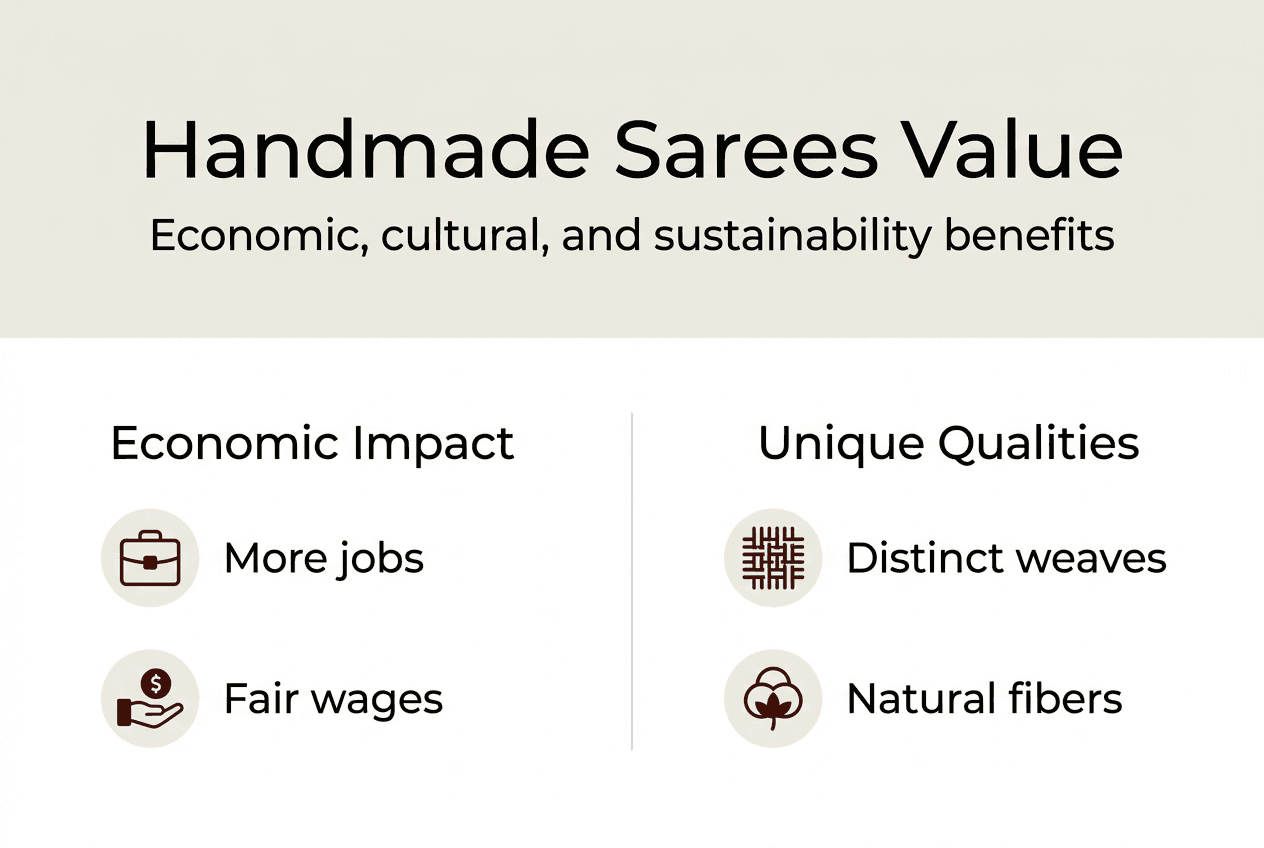
Supporting handmade sarees through artisan livelihoods through saree gifting and conscious purchasing decisions helps address these structural challenges. When consumers understand the economic realities behind each saree, they make informed choices that empower communities rather than simply buying another garment.
Pro Tip: Ask retailers about their artisan partnerships and payment structures. Brands that maintain long-term relationships with weaving communities and ensure fair wages deserve your business, as they create sustainable economic models that benefit everyone in the value chain.
Understanding the craftsmanship and uniqueness of handmade sarees
Handmade sarees carry centuries-old weaving traditions that represent India’s diverse regional heritage, from the intricate Banarasi brocades of Varanasi to the delicate Chanderi silks of Madhya Pradesh. Each weaving cluster developed distinctive techniques, motifs, and color palettes that reflect local culture, religious symbolism, and artistic sensibilities. These traditions pass from master weavers to apprentices through hands-on training that takes years to perfect, creating knowledge systems that cannot be replicated by machines.
The uniqueness of handmade sarees stems from the human element in every thread. Unlike factory production where computerized looms create identical copies, manual weaving introduces subtle variations that make each piece one of a kind. The tension in the warp threads, the rhythm of the shuttle, and the weaver’s artistic choices create patterns that shift slightly across the fabric, producing an organic quality impossible to achieve through automation.
What many perceive as flaws actually enhance value and authenticity:
- Slight color variations indicate natural dye batches and hand-dyeing processes
- Uneven thread thickness reveals hand-spun yarns rather than synthetic uniformity
- Minor pattern irregularities confirm manual weaving and artisan creativity
- Texture differences showcase the weaver’s signature style and technique
- Edge inconsistencies prove genuine handloom construction methods
These imperfections are the unique signatures of the weaver, adding character and exclusivity that collectors and connoisseurs specifically seek. A perfectly uniform saree signals machine production, while natural variations confirm authenticity and human artistry. Understanding this distinction helps you appreciate the premium pricing attached to genuine handmade pieces.
The quality of materials used in handmade sarees surpasses most machine-made alternatives. Artisans select high-grade natural fibers like pure silk, cotton, and linen that breathe well, drape elegantly, and age gracefully. These materials undergo minimal chemical processing, retaining their natural properties and ensuring comfort in India’s diverse climate conditions. The meticulous attention to detail during weaving creates tight, durable construction that withstands regular wear and careful washing for decades.
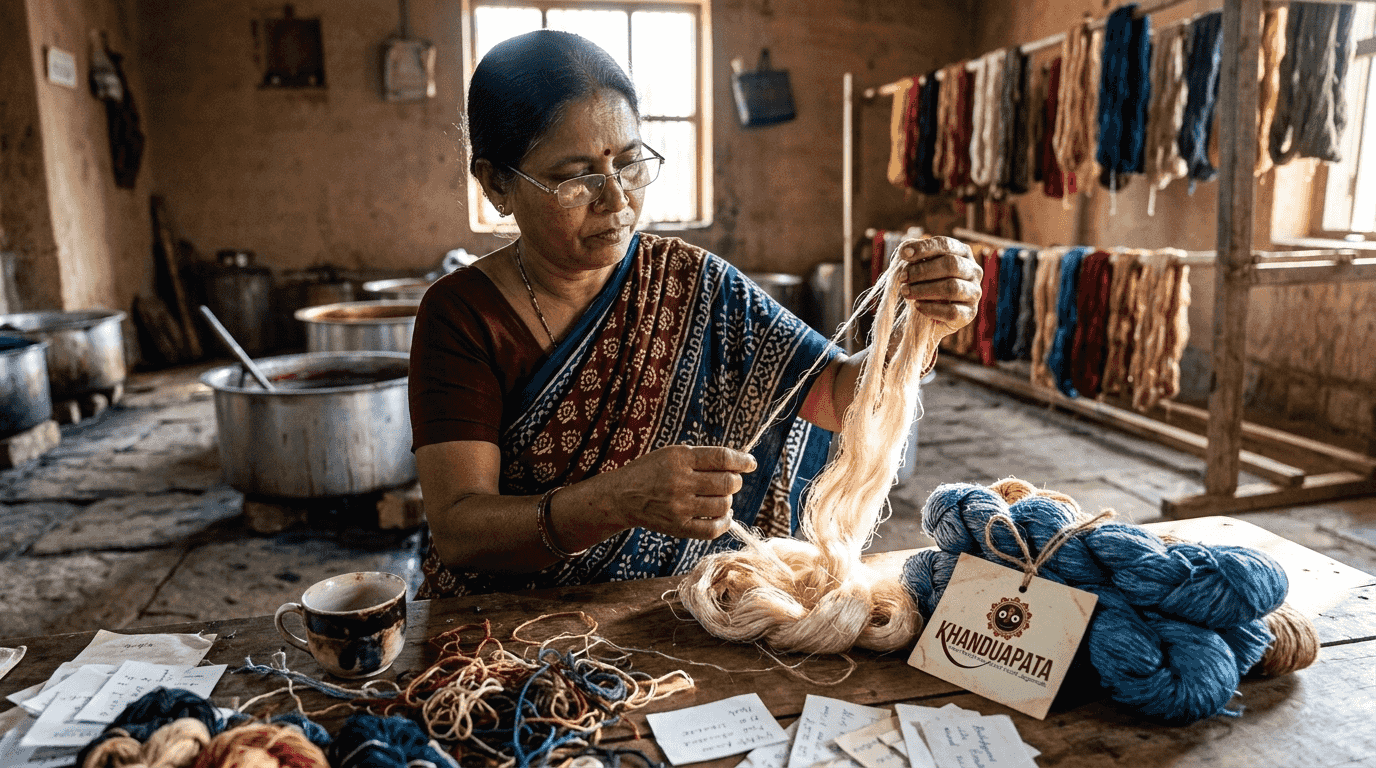
Owning a handmade saree means participating in cultural preservation. Each purchase validates traditional art forms, encouraging younger generations to learn ancestral skills rather than abandoning them for modern careers. You become a custodian of heritage, wearing stories woven by skilled hands that connect you to India’s rich textile legacy. This cultural dimension transforms a simple garment into a meaningful investment that transcends fashion trends.
Pro Tip: Examine the reverse side of a saree to verify handmade construction. Genuine handloom pieces show floating threads and slight irregularities on the back, while machine-made sarees display uniform, locked-in threads with no loose ends or pattern variations.
Exploring handwoven fabrics artisan legacy reveals the depth of skill and dedication required to create these masterpieces, helping you recognize true value when selecting your next saree.
Sustainability and long-term value of investing in handmade sarees
Handmade sarees contribute to sustainable fashion by supporting local artisans and eco-friendly practices, using significantly less energy than industrial textile production. Manual looms operate without electricity, relying entirely on human power and simple mechanical advantage. This zero-emission production process contrasts sharply with power looms that consume substantial electricity and contribute to carbon footprints through both energy use and the infrastructure required to support large-scale manufacturing.
Natural dyes derived from plants, minerals, and insects replace synthetic chemical colorants in many traditional handmade sarees. These organic alternatives avoid toxic runoff that pollutes waterways, a major environmental concern with conventional textile dyeing. Artisans using traditional methods create vibrant, lasting colors without harming ecosystems, though the process requires more time and expertise than simply applying industrial dyes.
The environmental benefits extend beyond production:
- Biodegradable natural fibers decompose harmlessly unlike synthetic blends
- Minimal water usage during hand-weaving compared to machine processing
- Zero plastic packaging when purchasing directly from artisan communities
- Reduced transportation emissions through localized production and distribution
- Waste reduction as artisans repurpose fabric scraps for smaller items
| Sustainability Factor | Handmade Sarees | Machine-Made Sarees |
|---|---|---|
| Energy consumption | Zero electricity during weaving | High power requirements |
| Chemical usage | Natural dyes, minimal processing | Synthetic dyes, chemical treatments |
| Carbon footprint | Low, localized production | High, industrial scale operations |
| Longevity | Decades with proper care | Years before deterioration |
| End of life | Biodegradable natural fibers | Non-biodegradable synthetic content |
The durability of handmade sarees makes them remarkably cost-effective over time. Quality handloom pieces withstand regular wear for 20 to 30 years or more when properly maintained, whereas machine-made alternatives often show wear within a few years. This longevity means you effectively pay less per wear, making the higher initial investment financially sensible for building a lasting wardrobe.
Handmade sarees can appreciate in value due to craftsmanship and cultural significance, particularly vintage pieces from renowned weaving centers or featuring rare techniques. Collectors actively seek antique Banarasi, Kanjeevaram, and Patola sarees, with some pieces commanding prices far exceeding their original cost. While not every handmade saree becomes a collector’s item, well-maintained pieces from respected artisans retain value better than mass-produced garments.
The global expansion of the saree market increases both cultural appreciation and monetary value. International fashion weeks now feature saree-inspired designs, celebrities wear traditional sarees at high-profile events, and diaspora communities seek authentic pieces to maintain cultural connections. This growing demand elevates the saree from ethnic wear to a globally recognized fashion statement, potentially increasing the value of quality handmade pieces you purchase today.
Pro Tip: Document your handmade saree purchases with photos, artisan information, and purchase receipts. This provenance record enhances resale value and helps you track your collection’s appreciation over time, similar to how art collectors maintain detailed records of their acquisitions.
Adopting a sustainable saree shopping workflow ensures your purchases align with environmental values while supporting ethical production practices that benefit artisan communities.
How to choose and care for handmade sarees for lasting value
Verifying authenticity requires examining specific characteristics that distinguish genuine handmade sarees from machine-made imitations. Check the weave pattern closely under good lighting. Handloom sarees show slight irregularities in thread tension and pattern alignment, while machine-made pieces display perfect uniformity. Look for the artisan’s signature or weaving mark, often found along the border or pallu, which serves as a quality guarantee and authenticity certificate.
Raw material variations significantly impact quality and pricing, creating challenges like inconsistent materials and fragmented supply chains that affect the final product. Pure silk sarees command premium prices but offer unmatched luster and drape, while cotton varieties provide comfort and breathability at lower price points. Blended fabrics combine properties of different fibers, sometimes compromising on the natural qualities that make handmade textiles special.
Follow these steps to ensure you purchase authentic, high-quality handmade sarees:
- Request information about the weaving region and specific artisan community
- Examine both sides of the fabric for characteristic handloom irregularities
- Check border attachment, handmade sarees show interlocked weaving rather than stitched borders
- Test fabric texture and weight, natural fibers feel different from synthetic blends
- Ask about certifications like Handloom Mark or Silk Mark that verify authenticity
- Compare pricing across similar styles, suspiciously low prices often indicate machine production
Proper care extends the life of your handmade sarees significantly. Dry cleaning works well for heavily embellished or delicate silk pieces, but many cotton handlooms benefit from gentle hand washing with mild, pH-neutral detergents. Avoid harsh chemicals, bleach, and aggressive scrubbing that damage natural fibers and fade natural dyes. Air dry sarees away from direct sunlight to prevent color deterioration.
Storage methods matter as much as cleaning:
- Fold sarees loosely and refold along different lines every few months to prevent permanent creases
- Use breathable cotton bags rather than plastic covers that trap moisture
- Store in cool, dry spaces away from direct sunlight and humidity
- Place neem leaves or cedar blocks to deter insects without chemical mothballs
- Keep heavy silk sarees flat rather than hanging to maintain shape
Designer collaborations between contemporary fashion creators and traditional weavers produce unique pieces that blend heritage techniques with modern aesthetics. These limited-edition sarees often appreciate faster than standard production pieces, as they combine artistic innovation with traditional craftsmanship. Look for partnerships where designers work directly with weaving communities, ensuring artisans receive fair compensation and creative recognition.
Investing in fewer, higher-quality pieces builds a more valuable wardrobe than accumulating numerous mediocre sarees. A well-chosen handmade saree remains stylish across decades, transcending seasonal trends through timeless design and superior construction. Focus your budget on versatile colors and classic patterns that work for multiple occasions, then add statement pieces gradually as your collection grows.
Pro Tip: Create a saree care log noting purchase date, cleaning history, and any repairs. This maintenance record helps you track which care methods work best for different fabrics and provides valuable information if you ever decide to sell or pass down your collection.
Learn more about identifying authentic handloom sarees to avoid common pitfalls when shopping, and follow a traditional saree maintenance workflow to preserve your handlooms for future generations.
Explore exquisite handmade sarees at Khanduapata
Now that you understand the cultural significance and investment value of handmade sarees, it’s time to experience authentic craftsmanship firsthand. Khanduapata offers a carefully curated collection of handwoven pure cotton sarees, silk sarees, and elegant stoles that embody the heritage of Lord Jagannath’s sacred weaving tradition. Each piece in our collection reflects generations of artisan expertise, combining traditional techniques with contemporary design sensibilities.
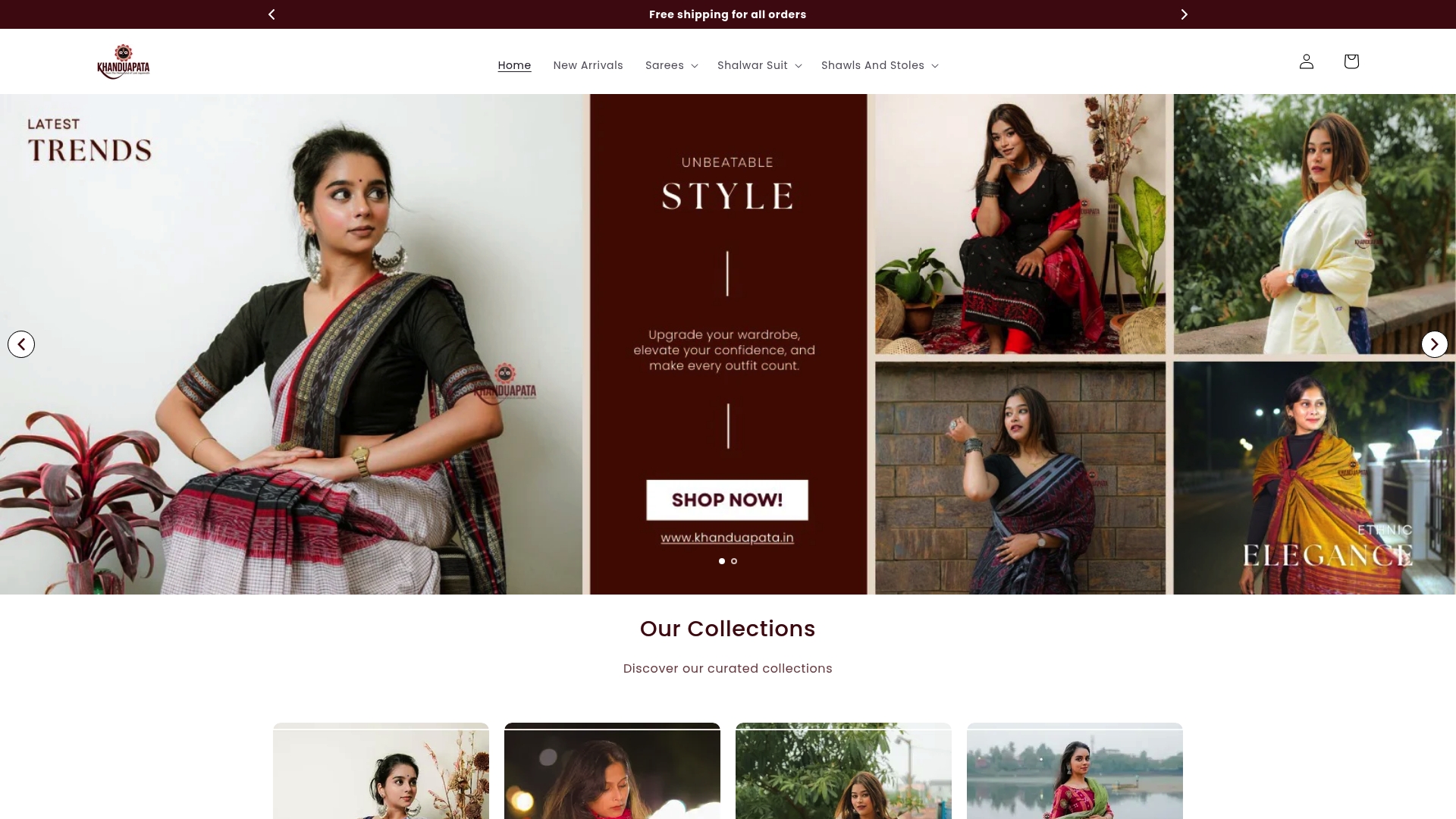
Our beige black embroidery floral design Chanderi silk saree showcases intricate handwork that exemplifies the quality standards discussed throughout this guide. For those seeking bolder patterns, our beige maroon embroidery tribal design Chanderi silk saree demonstrates how traditional motifs translate into stunning modern wear. Every purchase directly supports artisan communities, ensuring fair wages and preserving ancient weaving skills for future generations. Browse our complete collection to find pieces that speak to your personal style while honoring India’s rich textile heritage.
Frequently asked questions about investing in handmade sarees
Do handmade sarees actually increase in value over time?
Quality handmade sarees from renowned weaving centers can appreciate in value, particularly vintage pieces featuring rare techniques or exceptional craftsmanship. While not every saree becomes a collector’s item, well-maintained pieces from respected artisans typically retain value better than mass-produced alternatives. The growing global interest in traditional textiles and sustainable fashion increases demand for authentic handmade sarees, potentially boosting their future worth.
How can I tell if a saree is genuinely handmade or machine-made?
Genuine handmade sarees display slight irregularities in weave patterns, natural variations in thread tension, and characteristic imperfections that confirm manual production. Check for interlocked borders rather than stitched attachments, examine both fabric sides for floating threads, and look for artisan signatures or weaving marks. Machine-made sarees show perfect uniformity, locked-in threads with no loose ends, and often have stitched rather than woven borders.
What is the best way to maintain handmade sarees for longevity?
Hand wash cotton handlooms with mild, pH-neutral detergents and air dry away from direct sunlight, while dry clean heavily embellished silk pieces. Store sarees in breathable cotton bags, refold along different lines every few months to prevent permanent creases, and keep them in cool, dry spaces. Use natural insect repellents like neem leaves, avoid plastic storage that traps moisture, and maintain a care log to track cleaning and repairs.
Why should I pay more for handmade sarees when machine-made options look similar?
Handmade sarees offer superior durability, lasting 20 to 30 years compared to a few years for machine-made alternatives, making them more cost-effective per wear. They support over 6 million artisans and their families, preserve centuries-old cultural traditions, and use sustainable production methods with minimal environmental impact. The unique character, natural material quality, and potential value appreciation justify the premium pricing for those seeking lasting investments.
How does buying handmade sarees support artisan communities?
Purchasing handmade sarees provides direct income to rural artisan families, helping fund education, healthcare, and community development. It validates traditional skills, encouraging younger generations to learn ancestral techniques rather than abandoning them for urban jobs. Your purchase strengthens the handloom sector, India’s second largest employment provider after agriculture, creating sustainable livelihoods that keep weaving traditions alive for future generations.