Benefits of gifting sarees: tradition meets elegance
Choosing a meaningful gift for weddings, festivals, or milestone celebrations in India requires thoughtful consideration of cultural values and emotional resonance. Sarees stand out as gifts that honor tradition while supporting artisan communities and preserving centuries-old weaving techniques. This guide explores the tangible benefits of gifting sarees, from cultural significance to authenticity verification, helping you confidently select a gift that creates lasting memories and meaningful impact.
Table of Contents
- Support Artisan Communities And Traditional Weaving
- Celebrate Cultural Heritage Through Emotional And Meaningful Gifting
- Experience Exclusivity With Custom Handloom Sarees
- Ensure Authenticity And Trust With Digital Product Passports
- Comparing Saree Gifting Benefits: Tradition, Exclusivity, And Impact
- Explore Exclusive Saree Collections For Meaningful Gifting
- Frequently Asked Questions
Key takeaways
| Point | Details |
|---|---|
| Artisan support | Purchasing handwoven sarees directly increases artisan incomes and preserves traditional weaving skills |
| Cultural significance | Sarees symbolize blessings and continuity across Indian festivals, weddings, and life milestones |
| Exclusive personalization | Custom handloom sarees offer bespoke designs that align with luxury gifting trends |
| Authenticity verification | Digital Product Passports using blockchain technology ensure genuine handloom certification |
| Sustainable luxury | Handwoven sarees combine environmental responsibility with heirloom quality and emotional value |
Support artisan communities and traditional weaving
When you gift a handwoven saree, you directly impact the livelihoods of skilled weavers across India. Research shows that gifting handwoven sarees supports artisan incomes with 40% increases, providing economic stability to communities that have practiced these crafts for generations. This financial boost enables artisans to continue their work, train younger generations, and maintain the intricate techniques that define authentic handloom textiles.
Traditional weaving methods face significant challenges from mass production and changing consumer preferences. Many master weavers possess knowledge passed down through family lines, but without sustained demand, these skills risk disappearing. By choosing handwoven sarees as gifts, you create market demand that encourages artisans to preserve their craft rather than abandon it for other employment.
The artisan legacy of handwoven cotton fabrics demonstrates how traditional techniques create unique patterns and textures impossible to replicate with machines. Each saree requires days or weeks of meticulous work, with weavers adjusting tension, color placement, and design elements by hand. This human touch translates into textiles with character and depth that mass-produced alternatives cannot match.
Consider these direct benefits of supporting artisan communities through saree gifting:
- Economic empowerment enables weavers to invest in better tools, materials, and living conditions
- Skill preservation ensures traditional techniques survive for future generations to learn and practice
- Community stability keeps weaving villages economically viable, preventing migration to urban areas
- Cultural pride grows when artisans see their work valued and celebrated
Pro Tip: When purchasing handwoven sarees, ask sellers about the specific weaving community and techniques used. This knowledge adds depth to your gift story and demonstrates genuine appreciation for artisan craftsmanship.
Celebrate cultural heritage through emotional and meaningful gifting
Saree gifting holds profound significance in Indian cultural practices, serving as more than decorative fabric. During weddings, mothers and mothers-in-law traditionally present sarees to brides, symbolizing blessings, love, and continuity across family generations. This ritual creates emotional bonds and marks important life transitions with tangible symbols of support and affection.
Festivals like Diwali, Durga Puja, and Pongal often feature saree exchanges among family members and close friends. These gifts represent wishes for prosperity, happiness, and continued relationships. The act of selecting, presenting, and receiving sarees during celebrations reinforces social connections and cultural identity, making the gift memorable beyond its material value.
Research indicates that recipients of handwoven sarees report higher emotional satisfaction compared to mass-produced gifts. This heightened appreciation stems from recognizing the time, skill, and tradition embedded in each piece. When you gift a handwoven saree, you offer not just clothing but a connection to heritage that recipients can wear, preserve, and eventually pass down.
The saree gifting traditions in India vary by region, with specific colors, patterns, and draping styles carrying distinct meanings. Understanding these nuances helps you select sarees that align with the occasion and recipient’s cultural background, enhancing the gift’s appropriateness and emotional impact.
Key emotional and cultural benefits include:
- Milestone marking creates lasting memories associated with weddings, births, and achievements
- Heritage connection links recipients to broader cultural traditions and family history
- Heirloom potential transforms gifts into treasured items passed across generations
- Personal expression allows givers to convey specific sentiments through color and design choices
“A handwoven saree carries the weaver’s devotion, the family’s blessings, and centuries of tradition in every thread. When you gift such a piece, you offer something that transcends fashion and becomes a cherished part of someone’s life story.”
Experience exclusivity with custom handloom sarees
The luxury gifting market increasingly favors bespoke items that offer uniqueness and personal relevance. Custom handloom sarees align with luxury trends favoring exclusivity and authenticity, providing recipients with one-of-a-kind pieces that reflect their individual style and the giver’s thoughtfulness. Unlike mass-produced alternatives, custom sarees enable you to collaborate with artisans on design elements, color palettes, and weaving techniques.
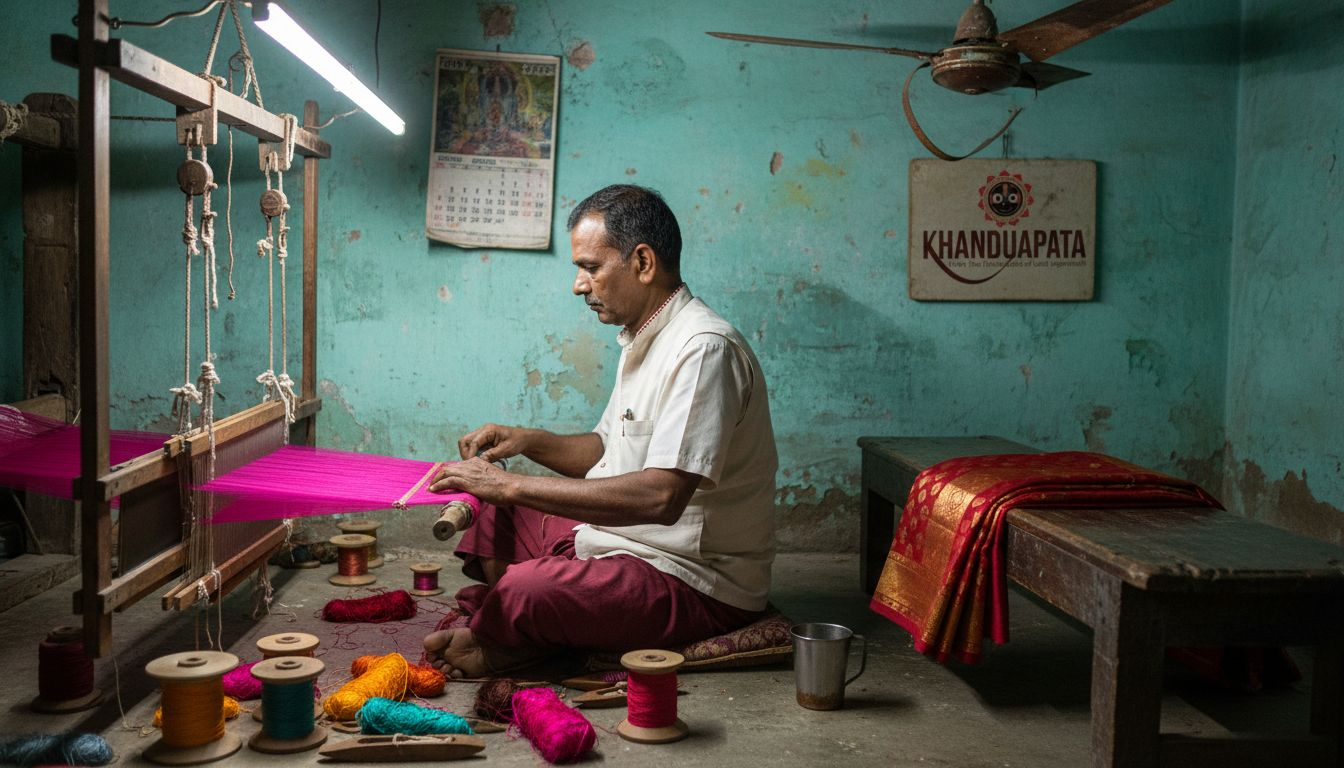
This personalization process adds significant emotional value to your gift. You can incorporate the recipient’s favorite colors, select motifs that hold personal meaning, or choose weaving styles from their ancestral region. The resulting saree becomes truly unique, impossible for others to replicate, which appeals to recipients who value individuality and craftsmanship.
Custom sarees also allow you to match the gift precisely to the occasion and recipient’s preferences. For formal events, you might select silk with intricate zari work. For everyday elegance, lightweight cotton with subtle patterns works beautifully. This flexibility ensures your gift aligns perfectly with how and when the recipient will wear it.
Consider these steps for commissioning custom handloom sarees:
- Research weaving traditions and identify styles that resonate with your recipient’s taste
- Connect with reputable artisan cooperatives or brands that facilitate custom orders
- Discuss design preferences, including color schemes, border styles, and pallu patterns
- Review weaving timelines, typically ranging from two weeks to three months depending on complexity
- Confirm authentication methods and documentation that verify the saree’s handloom origin
Pro Tip: Start the custom saree commissioning process at least two months before your gifting occasion. Complex designs require substantial weaving time, and rushing artisans compromises the quality that makes handloom special.
The ethnic blouse patterns 2026 complement custom sarees beautifully, allowing recipients to create complete, coordinated looks. Suggesting or including matching blouse fabric enhances your gift’s practicality and shows attention to detail.
| Feature | Custom Handloom | Mass-Produced |
|---|---|---|
| Uniqueness | One-of-a-kind design tailored to preferences | Identical to thousands of other pieces |
| Artisan connection | Direct collaboration with skilled weavers | Factory production with no personal interaction |
| Quality control | Individual attention to every detail | Standardized processes with variable quality |
| Emotional value | High due to personalization and story | Lower due to generic nature |
| Price point | Higher reflecting time and skill | Lower due to economies of scale |
Ensure authenticity and trust with digital product passports
The handloom market faces a serious challenge: approximately 70% of sarees marketed as handwoven are actually power-loom imitations. This deception harms both consumers who pay premium prices for inferior products and artisans who lose sales to counterfeiters. Fortunately, technology offers solutions that restore trust and protect authentic craftsmanship.
Digital Product Passports use blockchain technology to ensure saree authenticity and traceability from loom to consumer. These systems embed NFC tags or QR codes in sarees, linking each piece to a secure digital record containing weaver information, production date, materials used, and weaving technique details. You can verify authenticity instantly by scanning the code with your smartphone.
This transparency benefits everyone involved in handloom commerce. Consumers gain confidence that their purchase genuinely supports artisans and represents authentic craftsmanship. Weavers receive proper recognition and fair compensation for their work. Sellers build reputation by offering verifiable products that stand apart from counterfeits.
When identifying authentic handlooms, look for these verification features:
- Government certification marks like the Handloom Mark issued by Indian textile authorities
- Digital Product Passport tags with scannable codes linking to blockchain records
- Detailed documentation describing the weaving community, loom type, and production timeline
- Slight irregularities in weave that indicate human craftsmanship rather than machine precision
- Seller transparency about sourcing, with willingness to share artisan stories and production details
| Authentication Method | Reliability | Ease of Use | Information Provided | | — | — | — | | Visual inspection | Moderate (requires expertise) | Easy | Limited to observable features | | Government marks | High (official certification) | Easy | Basic authenticity confirmation | | Digital Product Passports | Very high (blockchain verified) | Very easy (smartphone scan) | Comprehensive weaver, material, and technique data | | Seller reputation | Variable (depends on source) | Moderate (requires research) | Indirect through reviews and history |
The adoption of Digital Product Passports represents a significant advancement in protecting handloom heritage while making authentication accessible to all consumers. As you select sarees for gifting, prioritize sellers who embrace these verification technologies, ensuring your gift delivers genuine value and supports legitimate artisan communities.
Comparing saree gifting benefits: tradition, exclusivity, and impact
Understanding how different saree types and sourcing decisions align with your gifting goals helps you make informed choices. The following comparison synthesizes the benefits discussed throughout this guide, enabling you to match your selection to the occasion, recipient preferences, and values you wish to express.
| Benefit Category | Traditional Handloom | Custom Handloom | Mass-Produced | | — | — | — | | Cultural significance | Very high (authentic heritage) | Very high (personalized tradition) | Low (lacks artisan connection) | | Artisan support | High (direct income impact) | Very high (premium compensation) | None (factory production) | | Exclusivity | Moderate (limited production) | Very high (unique design) | Low (widely available) | | Authenticity assurance | Moderate to high (with verification) | Very high (direct artisan relationship) | Low (frequent counterfeits) | | Emotional value | High (traditional meaning) | Very high (personalization) | Low (generic gift) | | Price range | Moderate to high | High to very high | Low to moderate |
When selecting the right saree gift, consider these situational guidelines:
- For weddings and major milestones, invest in custom handloom sarees that reflect the significance of the occasion
- For festival gifting among extended family, traditional handloom sarees offer cultural appropriateness at accessible price points
- For recipients who value sustainability, emphasize the elegance and sustainability of cotton sarees with natural dyes
- For younger recipients new to saree wearing, choose lighter fabrics with contemporary patterns that ease adoption
- For budget-conscious meaningful gifting, select simpler handloom designs that still support artisans authentically
Your gifting decision ultimately balances multiple factors: occasion formality, recipient preferences, budget constraints, and the values you wish to communicate. Handwoven sarees excel across these dimensions when you prioritize authenticity, cultural connection, and artisan support over mere convenience or cost savings.
Explore exclusive saree collections for meaningful gifting
Now that you understand the profound benefits of gifting authentic handwoven sarees, discovering the perfect piece becomes your next step. At Khanduapata, you’ll find curated collections that embody the tradition, craftsmanship, and cultural heritage discussed throughout this guide. Each saree represents genuine artisan work, verified authenticity, and the timeless elegance that makes saree gifting so meaningful.
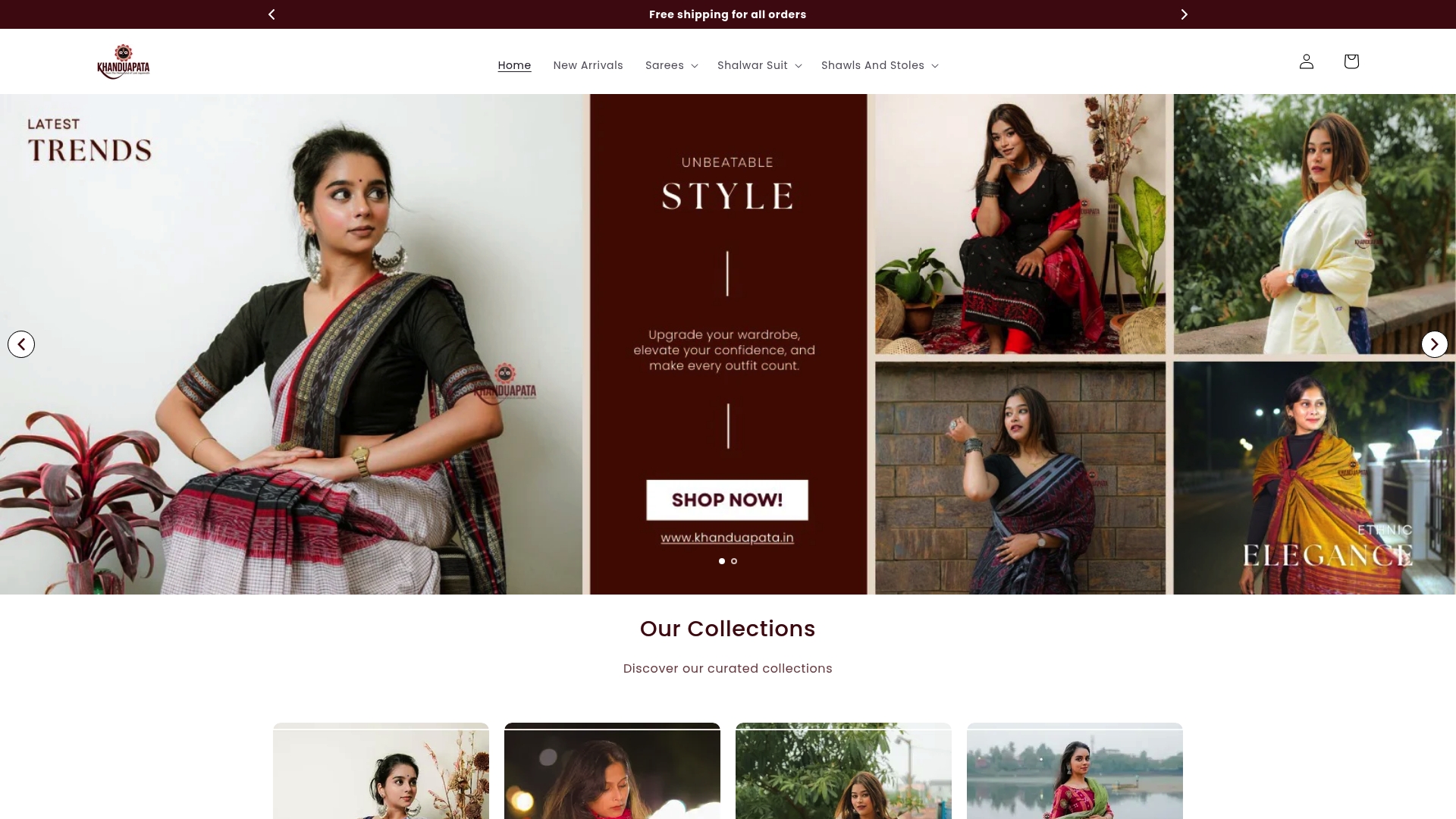
Our offerings range from vibrant tribal design cotton sarees perfect for festive occasions to sophisticated chanderi silk saree collections ideal for weddings and formal celebrations. Every piece carries the legacy of Lord Jagannath’s sacred weaving traditions, connecting your gift to centuries of devotion and artistry. Browse our collections to find sarees that speak to your recipient’s style while supporting the artisan communities who preserve these invaluable skills.
Frequently asked questions
What occasions are ideal for gifting sarees?
Sarees make appropriate gifts for virtually any significant occasion in Indian culture. Weddings represent the most traditional context, with family members presenting sarees to brides, grooms’ mothers, and close relatives. Festivals like Diwali, Durga Puja, and Onam also feature saree gifting prominently. Milestone birthdays, anniversaries, and achievement celebrations provide excellent opportunities to honor recipients with handwoven sarees that mark the importance of the occasion.
How can I verify that a saree is genuinely handwoven?
Authentic handwoven sarees display subtle irregularities in weave tension and pattern alignment that machine production cannot replicate. Look for government Handloom Marks, Digital Product Passports with scannable verification codes, and detailed seller documentation about weaving communities and techniques. Reputable sources provide transparent information and welcome questions about their authentic handloom identification processes. When in doubt, request certification or choose sellers with established reputations for handloom authenticity.
What makes handwoven sarees more meaningful than mass-produced gifts?
Handwoven sarees carry the weaver’s skill, time, and cultural heritage in every thread, creating emotional connections that factory products cannot match. Research confirms that recipients report higher emotional satisfaction from handwoven textiles compared to mass-produced alternatives. The personalized nature of artisan work, combined with cultural significance and heirloom potential, transforms sarees from simple clothing into cherished symbols of relationships and traditions. This depth of meaning makes handwoven sarees stand apart as truly thoughtful gifts.
Can custom sarees be personalized for particular recipients?
Custom handloom sarees offer extensive personalization options, allowing you to collaborate with artisans on colors, patterns, motifs, and weaving techniques. You can incorporate the recipient’s favorite hues, select designs reflecting their regional heritage, or create entirely unique combinations that match their personal style. The custom saree personalization process typically involves discussing preferences with artisan cooperatives or specialized brands, reviewing design samples, and confirming timelines. This collaborative approach ensures your gift perfectly suits the recipient while supporting artisan livelihoods.