Handwoven cotton dress fabrics: 4.3M artisans' legacy
The Indian handloom sector employs over 4.3 million artisans, preserving centuries-old cotton weaving traditions that transform simple threads into elegant festive attire. Every handwoven cotton fabric carries the spiritual devotion and cultural heritage of communities who have perfected this craft across generations. This guide reveals how to select authentic, customizable unstitched cotton dress materials that honor Indian tradition while expressing your personal style for festivals and special occasions.
Table of Contents
- Introduction To Indian Handwoven Cotton Fabrics
- Cultural Significance And Craftsmanship In Indian Cotton Fabrics
- Types Of Cotton Fabrics Commonly Used For Festive Dress Materials
- Common Misconceptions About Cotton Dress Fabrics
- Comparison Of Popular Cotton Fabric Types For Indian Festive Wear
- Customization And Tailoring Considerations For Festive Dress Fabrics
- Care Instructions To Preserve Fabric Longevity
- Sustainability And Artisan Support In Handwoven Fabric Production
- Discover Authentic Handwoven Cotton Fabrics At Khanduapata
- Frequently Asked Questions
Key takeaways
| Point | Details |
|---|---|
| Cultural heritage | Handwoven cotton fabrics embody generations of artisan craftsmanship and spiritual significance tied to Indian traditions. |
| Fabric varieties | Khadi, mulmul, and cambric each offer distinct textures, weights, and breathability suited to different festive occasions. |
| Authenticity matters | Natural weave irregularities and artisan provenance indicate genuine handwoven quality, not just thread count. |
| Customization freedom | Unstitched fabrics allow personalized embroidery, dyeing, and cuts that blend cultural motifs with individual expression. |
| Proper care extends life | Hand washing with mild detergents and avoiding direct sunlight preserves fabric beauty for years. |
Introduction to Indian handwoven cotton fabrics
Handwoven cotton fabrics represent the living heritage of India’s textile artistry. These materials are created on traditional handlooms, where skilled artisans interlace threads with techniques passed down through centuries. Unlike machine-made textiles, handwoven cotton carries the subtle variations and character marks that reveal human touch and cultural intention.
India’s handloom weaving traditions vary dramatically across regions. From the crisp khadi of Gujarat to the soft mulmul of Bengal, each area has developed distinctive weaving styles adapted to local climate, cultural preferences, and available materials. These regional differences create a rich tapestry of options for festive dress materials.
The spiritual dimension of handwoven textiles runs deep in Indian culture. At Khanduapata, the tradition of weaving sacred garments for Lord Jagannath evolved into a family legacy that honors both deity and customer. This spiritual foundation infuses each piece with meaning beyond mere fabric.
Textiles play central roles in Indian festivals and ceremonies. Specific fabrics, colors, and patterns mark different celebrations, from Diwali to weddings. Wearing handwoven cotton during these occasions connects you to generations of women who honored traditions through their clothing choices.
Artisan communities sustaining these traditions face economic pressures in our modern world. When you choose authentic handwoven cotton, you directly support families whose livelihoods depend on preserving this irreplaceable cultural knowledge. Your purchase becomes an act of cultural preservation.
- Regional weaving styles create diverse fabric options across India
- Spiritual traditions connect textiles to religious devotion and ceremony
- Festival attire carries cultural meaning through fabric, color, and pattern choices
- Artisan families preserve irreplaceable weaving knowledge across generations
Cultural significance and craftsmanship in Indian cotton fabrics
Weaving holds profound spiritual meaning in Indian tradition. The act of creating fabric from individual threads mirrors the cosmic creation of order from chaos. At Khanduapata, weaving sacred garments for Lord Jagannath was understood as devotional service, where every thread carried intention and reverence.
Artisan techniques preserve age-old wisdom that cannot be replicated by machines. Handloom weavers develop tactile sensitivity over decades, feeling tension in threads and adjusting their rhythm to create balanced, beautiful cloth. These skills represent living knowledge systems as valuable as any written text.
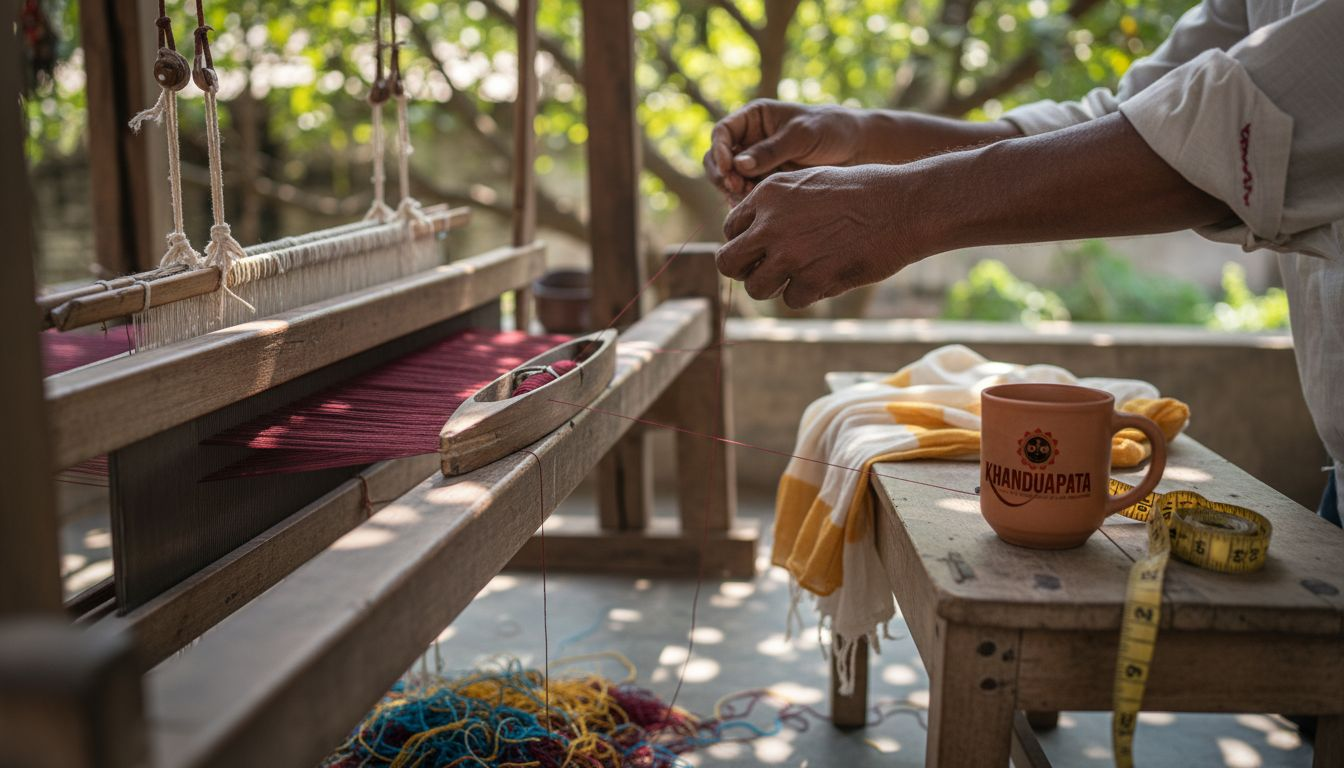
Handloom cotton fabrics have natural irregularities in weave that signify authenticity and artisanal craftsmanship. These subtle variations, far from being flaws, prove human hands guided every stage of creation. Machine-made fabrics achieve perfect uniformity but lack the soul and character of handwoven cloth.
Recognizing genuine craftsmanship affects both fabric quality and cultural value. An authentic handwoven piece offers superior breathability, comfort, and durability compared to mass-produced alternatives. More importantly, it connects you to living traditions and supports communities who maintain India’s textile heritage.
Pro Tip: Always request artisan provenance information and authenticity certificates when purchasing handwoven fabrics. Reputable sellers provide documentation about the weaver community, region of origin, and traditional techniques used.
- Handloom weaving preserves tactile knowledge developed across generations
- Natural weave variations authenticate artisan creation versus machine production
- Traditional techniques produce fabrics with superior comfort and breathability
- Purchasing certified handwoven textiles supports cultural preservation
“The imperfections in handwoven cloth are actually perfections, each one a signature of the artisan’s hand and heart poured into the fabric.”
Types of cotton fabrics commonly used for festive dress materials
Khadi stands as India’s most iconic handwoven cotton fabric. This hand-spun, hand-woven material gained fame during the independence movement but has roots stretching back centuries. Khadi’s medium weight and crisp texture make it ideal for structured festive suits that hold embroidery beautifully.
Mulmul cotton offers unmatched softness and lightweight comfort. Originally woven in Dhaka, this delicate fabric feels like a whisper against skin. Its sheer, breathable quality makes mulmul perfect for summer festivals when temperatures soar but you still want elegant drape.
Cambric cotton strikes a balance between durability and refinement. This tightly woven fabric has a smooth, slightly lustrous surface that accepts dyes brilliantly. Cambric works wonderfully for festive wear that needs to withstand active celebration while maintaining a polished appearance.
Handloom cotton encompasses various regional weaving styles beyond these three main types. Each variety offers unique characteristics shaped by local traditions, climate needs, and aesthetic preferences. Exploring Khanduapata cotton fabric collection reveals this diversity.
| Fabric Type | Thread Count Range | Weight | Best Season | Key Characteristics |
|---|---|---|---|---|
| Khadi | 60-80 | Medium | Year-round | Crisp texture, holds shape, excellent for embroidery |
| Mulmul | 80-120 | Very light | Summer | Soft, sheer, breathable, delicate drape |
| Cambric | 100-140 | Light-medium | Spring/Fall | Smooth finish, dye-friendly, balanced durability |
| Regional handloom | Varies | Varies | Varies by region | Unique cultural patterns, specialized techniques |
Selecting fabric depends on your climate, the festival’s formality, and personal comfort preferences. Lighter fabrics suit outdoor summer celebrations, while medium-weight options work better for cooler evening events or when you want structured silhouettes.
Common misconceptions about cotton dress fabrics
Many consumers wrongly believe higher thread count automatically means superior fabric quality. While thread count matters, it tells only part of the story. Fiber quality, weave technique, and hand-spinning methods often influence comfort and durability more than thread count alone.
Thread count does not tell the whole story about cotton quality, as weave type and fiber origin significantly influence durability and texture. A lower thread count handwoven fabric using premium long-staple cotton often outperforms a high thread count machine-made fabric using short-staple fibers.
Another persistent myth claims machine-made cotton surpasses handwoven in durability. This assumption confuses uniformity with strength. Handwoven fabrics, when properly cared for, can last generations because artisan weaving creates balanced tension across the cloth that resists tearing and wear.
Fiber origin and hand-spinning methods fundamentally affect fabric performance. Hand-spun threads retain more of cotton’s natural oils and fibers’ length, creating softer, stronger yarn. Machine spinning prioritizes speed over preserving these beneficial qualities.
Weave texture and natural irregularities serve as authenticity markers you can see and feel. Run your fingers across genuine handwoven cotton and you’ll detect subtle thickness variations that create character. Perfectly uniform texture usually indicates machine production.
Pro Tip: When evaluating fabric, trust your hands more than specifications. Genuine handwoven cotton has a distinctive soft roughness that feels alive compared to the flat smoothness of machine-made cloth.
- Thread count matters less than fiber quality and weaving technique
- Handwoven fabrics offer superior longevity when properly maintained
- Hand-spinning preserves cotton’s natural beneficial properties
- Texture irregularities authenticate artisan creation
Comparison of popular cotton fabric types for Indian festive wear
Understanding how different cotton fabrics compare helps you match material to occasion and personal needs. Each type brings distinct advantages for customization, comfort, and cultural expression in your festive wardrobe.
Khadi excels for structured festive suits requiring embroidery or embellishments. Its medium weight provides an excellent foundation for heavy threadwork without sagging. The fabric’s natural stiffness creates clean lines that look polished throughout long celebrations.
Mulmul shines when you prioritize comfort and fluid drape over structure. This delicate fabric moves beautifully, creating elegant flow in unstitched materials meant for flowing silhouettes. However, mulmul requires gentler handling and is less suited to heavy embroidery.
Cambric offers versatility across festive contexts. Its smooth surface accepts block printing and dyeing exceptionally well, making it ideal for vibrant festival colors. The balanced weight works for both tailored and draped styles.
| Comparison Factor | Khadi | Mulmul | Cambric |
|---|---|---|---|
| Durability | High, withstands repeated wear | Moderate, needs gentle care | High, balanced strength |
| Embroidery suitability | Excellent, holds heavy work | Limited, too delicate | Good, supports moderate work |
| Dye absorption | Good, rich colors | Excellent, vibrant hues | Excellent, brilliant shades |
| Climate adaptability | Year-round versatility | Best for hot weather | Spring through fall |
| Customization ease | Easy tailoring and embellishment | Requires skilled handling | Easy for most techniques |
| Care requirements | Straightforward maintenance | Delicate washing needed | Simple care routine |
Your choice ultimately depends on the specific festival, expected weather, and how you want to personalize your outfit. Khanduapata fabric comparisons provide detailed guidance for different celebration contexts.
Customization and tailoring considerations for festive dress fabrics
Unstitched cotton dress materials offer remarkable freedom for personalization. With 2.5 meters of suit fabric, 2 meters for pants, and 2.5 meters of dupatta, you can create outfits perfectly tailored to your body, style preferences, and the festival’s cultural significance.
Dye choices carry deep cultural meanings in Indian festive wear. Red symbolizes prosperity and celebration, making it perfect for weddings and Diwali. Yellow represents knowledge and learning, ideal for Basant Panchami. Green connects to nature and new beginnings. Understanding these associations helps you select colors that honor tradition.
Embroidery styles range from delicate chikankari to bold mirror work. Consider the embroidery design cotton suit approach, where patterns complement rather than overwhelm the handwoven fabric’s natural beauty. Regional embroidery traditions like Kashmiri aari work or Gujarati soof each bring distinct aesthetic languages.
Fabric cuts and silhouettes should balance cultural tradition with personal comfort. Traditional straight cuts honor heritage while allowing modern adjustments for better fit. Communicate clearly with your tailor about where you want ease versus structure.
Effective tailor communication makes customization successful:
- Bring reference images showing desired silhouette and embroidery placement
- Discuss fabric properties and how they affect drape and structure
- Request a fitting midway through tailoring for adjustments
- Specify cultural motifs or symbols you want incorporated
- Confirm care instructions so tailoring choices support fabric longevity
Common motifs carry symbolic weight. Paisley represents fertility and life. Lotus flowers symbolize purity and spiritual awakening. Peacocks embody beauty and grace. Incorporating these traditional symbols connects your festive wear to deeper cultural narratives.
Balancing tradition with personal expression creates meaningful festive attire. You might choose traditional colors but opt for contemporary cuts, or select modern hues while incorporating ancestral embroidery patterns. This creative tension produces outfits that honor heritage while reflecting who you are today.
- Color selections communicate cultural meanings and celebration contexts
- Embroidery placement should enhance handwoven fabric’s natural character
- Clear tailor communication ensures customization meets your vision
- Traditional motifs add symbolic depth to personalized designs
Care instructions to preserve fabric longevity
Proper care extends fabric life by up to 50% through hand washing with mild detergents and avoiding sunlight exposure. These simple practices protect your investment in authentic handwoven cotton while maintaining the fabric’s texture and color vibrancy.
Hand washing remains the gentlest, most effective cleaning method for handwoven cotton. Fill a basin with cold water and add a small amount of mild, pH-neutral detergent. Submerge the fabric and gently agitate without twisting or wringing, which can distort the weave structure artisans carefully created.
Direct sunlight fades natural dyes and weakens cotton fibers over time. Dry your handwoven fabrics in shade, laying them flat or hanging them in a well-ventilated indoor space. This patience preserves color intensity and fabric strength for years of festive wear.
Proper drying technique matters as much as washing. Never use mechanical dryers, which subject delicate handwoven cloth to harsh heat and tumbling. Instead, gently squeeze excess water without wringing, then lay flat on a clean towel. Roll the towel to absorb moisture, then air dry completely before storage.
Storage conditions affect long-term fabric preservation. Keep handwoven cotton in cool, dry places away from direct light. Use breathable cotton bags rather than plastic, which traps moisture and promotes mildew. Cedar sachets naturally repel insects without chemical treatments that might damage fibers.
Pro Tip: Air your handwoven fabrics gently every few months, even when not wearing them. This simple practice refreshes fibers, prevents musty odors, and allows you to check for any storage issues before damage occurs.
- Hand wash in cold water with mild detergent to protect weave integrity
- Shade drying prevents color fading and fiber degradation
- Flat drying maintains fabric shape without distortion
- Breathable storage in cool, dry spaces preserves textile quality
Regular but gentle care transforms your festive dress materials into heirlooms that can be passed to future generations, carrying both beauty and family history.
Sustainability and artisan support in handwoven fabric production
Approximately 70% of traditional handloom weavers rely on natural fibers and dyes for sustainable livelihoods. This environmental approach reduces water pollution, eliminates toxic chemical usage, and creates biodegradable textiles that return safely to earth.
Handwoven cotton production generates minimal environmental impact compared to industrial textile manufacturing. Handlooms require no electricity, produce no factory emissions, and use natural dyes derived from plants and minerals. This traditional approach aligns perfectly with modern sustainability values.
The economic impact reaches far beyond individual artisans. The Indian handloom sector provides employment to over 4.3 million artisans, supporting entire communities through interconnected roles including spinners, dyers, weavers, and finishers. Each purchase ripples through local economies.
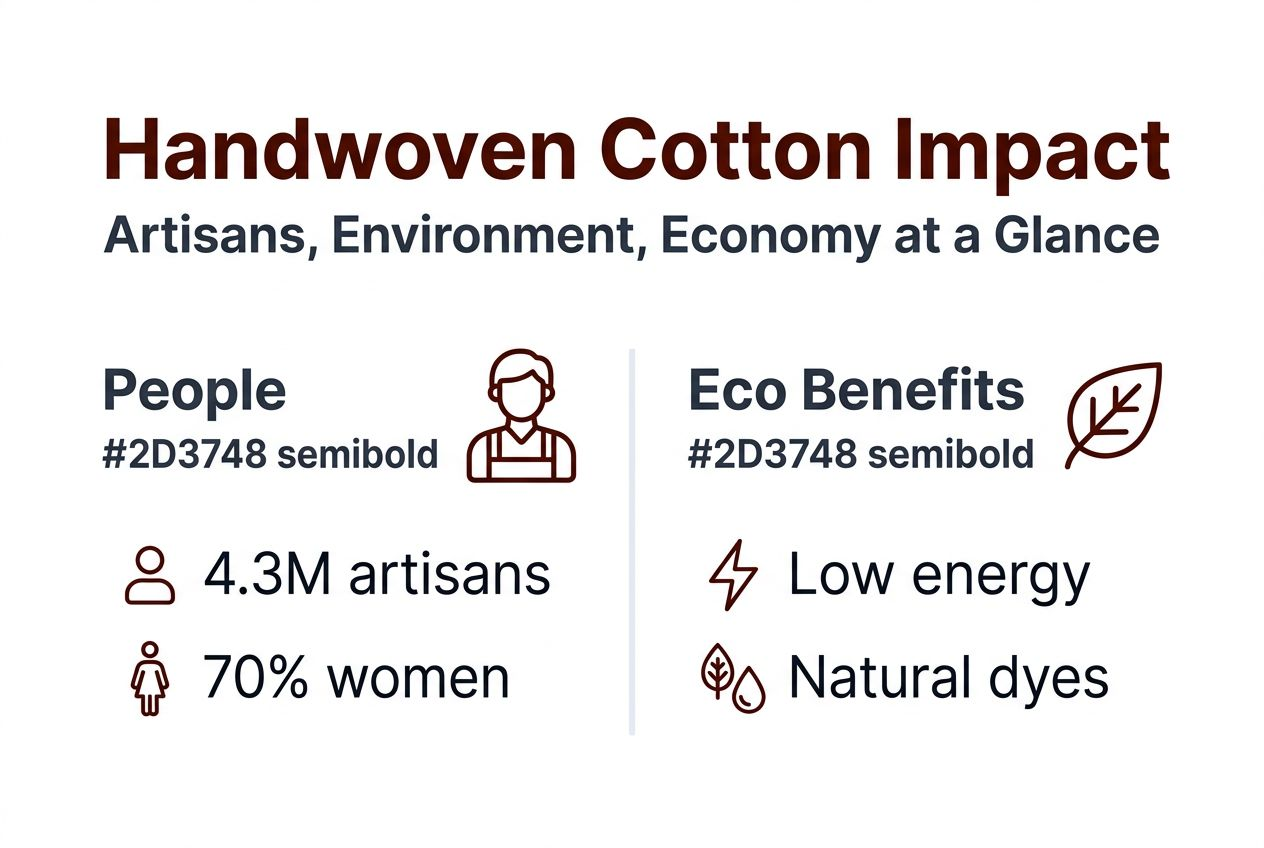
Consumer choices directly influence whether these ancient traditions survive or disappear. When you select authentic handwoven cotton from sources like Khanduapata, you vote with your rupees for cultural preservation over mass production. This choice sustains artisan families and validates their irreplaceable skills.
Younger generations of weavers need economic incentives to learn traditional techniques rather than abandoning their heritage for urban jobs. Your support makes weaving economically viable, encouraging knowledge transfer from master artisans to apprentices who will carry traditions forward.
- Natural fibers and dyes minimize environmental harm from textile production
- Handloom weaving creates zero-emission, electricity-free fabric creation
- Purchases support interconnected artisan communities beyond individual weavers
- Economic viability ensures traditional knowledge transfers to future generations
“When you wear handwoven cotton, you wrap yourself in sustainability, wrap artisan families in economic security, and wrap ancient traditions in relevance for the modern world.”
Choosing authentic handwoven fabrics becomes an act of environmental stewardship and cultural activism. Each festive outfit you create from these materials celebrates both India’s heritage and a more sustainable future.
Discover authentic handwoven cotton fabrics at Khanduapata
Finding genuine handwoven cotton that honors tradition while offering modern customization becomes effortless at Khanduapata. Our collection carries forward generations of devotional weaving for Lord Jagannath, now available for your festive wardrobe.
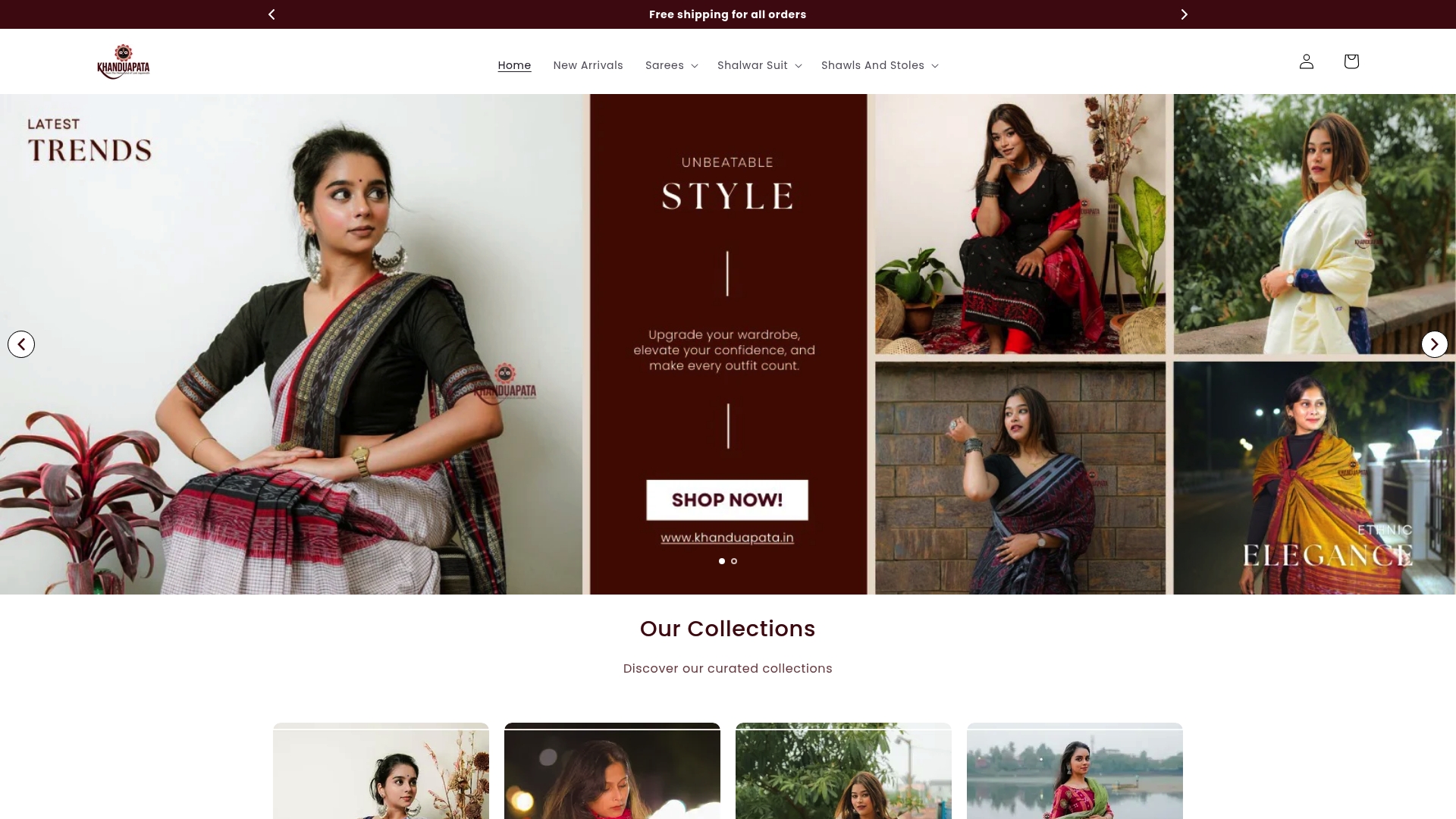
Every unstitched dress material in our collection comes with complete customization potential: 2.5 meters of suit fabric, 2 meters for pants, and 2.5 meters of dupatta. Create outfits that express your unique style while honoring cultural heritage. Explore options like the elegant maroon and green embroidery cotton suit or vibrant multicolor tribal design cotton saree that showcase artisan craftsmanship. Your purchase directly supports weaving communities preserving India’s textile legacy.
Frequently asked questions
What makes handwoven cotton fabrics special for Indian festive wear?
Handwoven cotton fabrics connect you directly to centuries of traditional weaving techniques and cultural symbolism passed through artisan families. The natural cotton fibers provide exceptional breathability and comfort in India’s varied climate, keeping you cool during outdoor celebrations. Unlike synthetic alternatives, these textiles age beautifully when properly cared for, becoming softer with each wearing while maintaining structural integrity. The customization possibilities with unstitched materials let you create festive outfits that express both cultural heritage and personal style perfectly suited to specific celebrations.
How do I identify authentic handwoven cotton fabric?
Authentic handwoven cotton displays natural weave irregularities up to 15% that indicate human craftsmanship rather than machine precision. Look for artisan labels, authenticity certificates, and provenance information identifying the weaver community and region of origin. Run your hands across the fabric to feel subtle thickness variations and a characteristic soft roughness that machine-made cloth cannot replicate.
Which cotton fabric type is best for summer festivals in India?
Mulmul cotton stands out as the ideal choice for hot summer festivals. Its exceptionally lightweight, sheer quality and superior breathability keep you comfortable even in intense heat. The fabric’s soft drape creates elegant flow while allowing air circulation that prevents overheating during active celebrations. Choose mulmul when comfort and coolness matter more than structured silhouettes or heavy embroidery.
What are the best practices for caring for handwoven cotton fabrics?
Hand washing with mild detergents and avoiding sunlight can extend fabric life by up to 50%. Always use cold water and pH-neutral detergent, gently agitating without twisting or wringing the delicate handwoven structure. Dry fabrics in shade by laying flat or hanging indoors to prevent color fading and fiber weakening. Store in breathable cotton bags in cool, dry locations away from direct light, and air your fabrics every few months to keep fibers fresh and check for storage issues.