Master saree gifting workflow in India for 2026 gifts
Choosing the perfect saree gift can feel overwhelming when you want to honor cultural traditions while ensuring sustainability. Many gift buyers in India struggle to balance authenticity, occasion appropriateness, and ethical sourcing when selecting sarees for weddings, festivals, and special events. This comprehensive guide walks you through a proven workflow to confidently select meaningful, handwoven sarees that delight recipients and respect heritage. You’ll learn cultural significance, sourcing strategies, quality verification, budgeting tips, and timing best practices to master saree gifting in 2026.
Table of Contents
- Understanding The Cultural Significance Of Saree Gifting
- Prerequisites: What You Need Before Starting Your Saree Gifting Journey
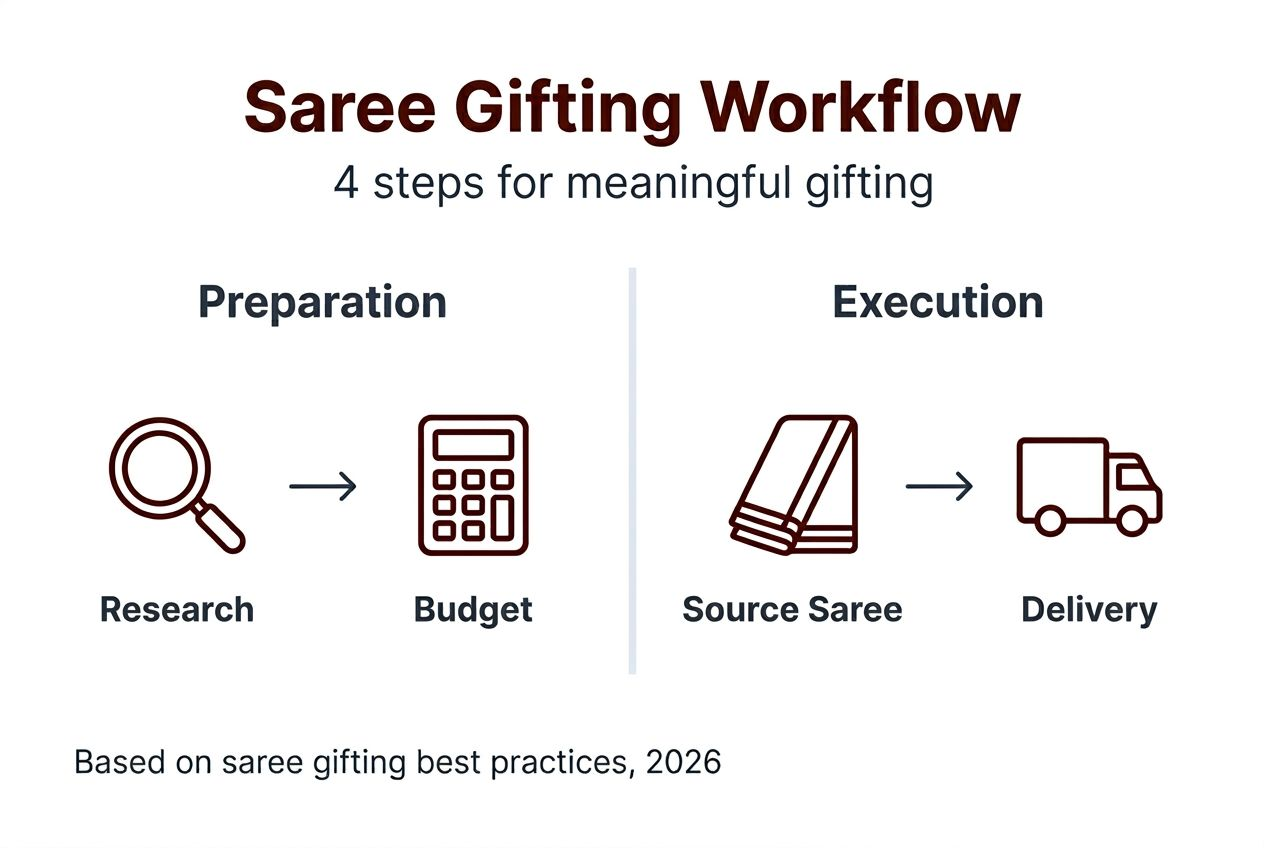
- Step 1: Identify The Occasion And Recipient Preferences
- Step 2: Source Authentic And Sustainable Sarees
- Step 3: Verify Craftsmanship And Fabric Quality
- Step 4: Budget Realistically And Plan For Timely Delivery
- Common Mistakes And Troubleshooting In Saree Gifting
- Expected Outcomes And Success Metrics For Saree Gifting Workflow
- Explore Authentic Handwoven Sarees At Khanduapata
Key takeaways
| Point | Details |
|---|---|
| Cultural alignment matters | Sarees must match the occasion and recipient’s regional preferences to convey respect and meaning. |
| Authenticity checks prevent counterfeits | Verifying weave quality and artisan certifications protects against fake sarees and ensures value. |
| Budget realistically for quality | Handwoven cotton sarees cost INR 3000-8000 while silk ranges INR 8000-20000 based on craftsmanship. |
| Order at least 4 weeks early | Early ordering ensures quality checks and on-time delivery without stress. |
| Common mistakes cause dissatisfaction | Ignoring fabric-occasion match and late ordering lead to over 40% of gifting failures. |
Understanding the cultural significance of saree gifting
Sarees are far more than garments in Indian culture. They symbolize blessings, auspiciousness, and deep respect across festivals, weddings, and religious ceremonies. When you gift a saree, you’re offering a piece of heritage that connects the recipient to traditions passed through generations.
Handwoven sarees hold special meaning. The tradition of crafting sarees for Lord Jagannath elevates these textiles to sacred status, linking divine craftsmanship with everyday elegance. This spiritual connection makes handwoven sarees particularly powerful gifts for religious occasions and milestone celebrations.
Regional diversity shapes saree preferences significantly:
- Cotton sarees suit summer festivals in hot climates, offering breathability while maintaining cultural authenticity
- Silk sarees signify prosperity and are preferred for weddings and formal ceremonies
- Specific weave patterns and motifs carry regional meanings that resonate with recipients from particular states
- Color choices reflect occasion types, with reds and golds for weddings, pastels for spring festivals
Understanding these cultural layers ensures your gift demonstrates genuine respect. When you select a saree that aligns with the recipient’s background and the event’s significance, you create lasting emotional value that transcends the physical gift.
Pro Tip: Research the recipient’s home state or cultural background before selecting patterns and colors to ensure your gift feels personally meaningful rather than generic.
Prerequisites: What you need before starting your saree gifting journey
Successful saree gifting begins with proper preparation. You need foundational knowledge and planning to make informed decisions that align with cultural expectations and sustainability values.
Start by familiarizing yourself with basic saree fabrics and their characteristics. Cotton offers breathability and comfort for daily wear and summer events. Silk provides luxury and formality for weddings and celebrations. Understanding these distinctions helps you match fabric to occasion appropriately.
Budget planning is essential:
- Allocate INR 3000-20000 based on fabric type
- Cotton handwoven sarees typically fall in the INR 3000-8000 range
- Silk sarees with intricate work can reach INR 20000 or higher
- Factor in delivery charges and potential customization costs
Timing matters significantly. Planning 4-6 weeks of lead time before your gifting occasion ensures quality sourcing, proper authentication, and reliable delivery. Last-minute purchases often force compromises on quality or authenticity.
Access to trusted sources is your final prerequisite. Identify reputable artisan cooperatives or heritage brands that specialize in authentic handwoven textiles. These connections ensure you’re buying genuine products that support sustainable practices and local communities. Research seller reputations, read reviews, and verify their commitment to artisan welfare before making purchases.
Step 1: Identify the occasion and recipient preferences
Every successful saree gift starts with clarity about the event and the person receiving it. Different occasions demand distinct saree characteristics, and personalizing your selection dramatically increases appreciation and satisfaction.
Follow this systematic approach:
- Define the specific occasion type: wedding ceremony, festival celebration, formal event, or religious function
- Consider seasonal and climatic factors affecting fabric choice
- Research the recipient’s color preferences, style tendencies, and cultural background
- Note any specific requirements like vegetarian dyes for religiously observant recipients
- Confirm dress code expectations if the saree will be worn at a structured event
Weddings typically call for rich silks with elaborate borders and auspicious colors. Festival sarees can be lighter cottons with vibrant prints celebrating seasonal themes. Formal events may require subdued elegance with sophisticated weaves.
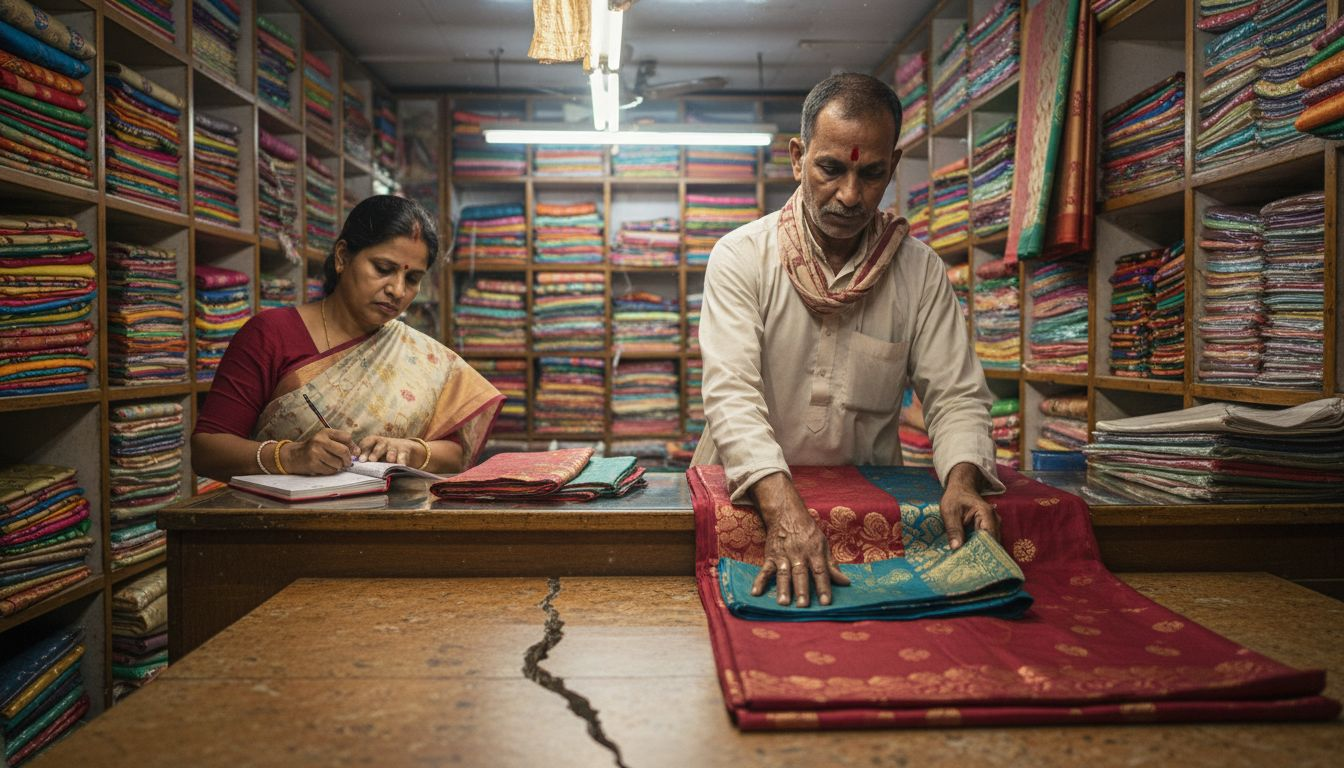
Climate considerations are practical and thoughtful. Summer gifting benefits from lightweight, breathable cotton that keeps wearers comfortable in heat. Winter occasions allow heavier silks that provide warmth while maintaining elegance.
Gathering recipient preferences prevents mismatches. A simple conversation with family members or close friends reveals color dislikes, pattern preferences, and style comfort zones. This research distinguishes thoughtful gifts from generic purchases.
Explore saree options for different occasions to understand how designs align with specific events and cultural contexts.
Step 2: Source authentic and sustainable sarees
Authenticity and sustainability form the foundation of meaningful saree gifting. Finding reputable sources ensures your gift supports artisan communities while delivering genuine handwoven quality.
Prioritize these sourcing strategies:
- Seek artisan cooperatives and family-run heritage brands with documented histories
- Verify handloom marks, organic cotton certifications, and natural dye approvals
- Research seller backgrounds, artisan stories, and production transparency
- Look for brands committed to fair wages and artisan welfare programs
Heritage brands like Khanduapata offer authenticated handwoven sarees rooted in cultural traditions. Their connection to Lord Jagannath’s sacred garment-making history adds spiritual and cultural depth to every piece.
Sustainable saree fashion supports handloom sectors using organic materials and natural dyes, reducing environmental impact compared to synthetic alternatives. This approach preserves traditional skills while protecting ecosystems.
Authentication reduces risk significantly. Sellers providing detailed provenance information, artisan profiles, and production photos demonstrate transparency worth trusting. Avoid vague descriptions or sellers unable to verify handloom authenticity.
Pro Tip: Request detailed weave specifications, yarn sources, and artisan community information before purchasing to confirm authenticity and build confidence in your selection.
Your purchasing decision impacts real communities. Supporting ethical sources preserves endangered weaving traditions and provides sustainable livelihoods for skilled artisans facing competition from mass-produced textiles.
Step 3: Verify craftsmanship and fabric quality
Quality verification protects your investment and ensures your gift delivers lasting value. Thorough inspection separates authentic handwoven sarees from inferior imitations.
Follow this quality assessment process:
- Examine weave density by checking thread count and knot consistency across the fabric
- Inspect yarn thickness uniformity, looking for irregularities that indicate handloom authenticity
- Test dye quality by checking color fastness and natural variations characteristic of vegetable dyes
- Review certification tags confirming handloom status and artisan identification
- Compare your saree against reference samples or detailed product specifications
Weave density indicates craftsmanship quality:
| Saree Type | Expected Thread Count | Quality Indicator |
|---|---|---|
| Cotton Handwoven | 60-80 threads/inch | Higher density shows finer work |
| Silk Traditional | 80-120 threads/inch | Premium silk exceeds 100 threads/inch |
| Basic Cotton | 40-60 threads/inch | Lower density suits everyday wear |
Ignoring verification increases counterfeit risk by 30%, leading to financial loss and diminished cultural meaning. Counterfeits damage the gifting experience and disrespect artisan traditions.
Authentic handwoven sarees display subtle irregularities proving human craftsmanship. Perfectly uniform patterns often signal machine production. Natural dyes show organic color variations absent in synthetic alternatives.
Request detailed weave information and close-up photographs when buying online. Reputable sellers provide this documentation willingly. Verify artisan certifications through trusted sources to confirm legitimacy.
Pro Tip: Ask sellers about their quality control process and return policies for authenticity issues to gauge their confidence in product quality.
Step 4: Budget realistically and plan for timely delivery
Financial planning and timing coordination ensure stress-free gifting without last-minute compromises. Understanding cost factors and delivery timelines prevents common frustrations.
Price ranges reflect material and craftsmanship differences:
| Saree Type | Price Range (INR) | Best For |
|---|---|---|
| Cotton Handwoven | 3000-8000 | Daily wear, summer festivals, budget-conscious gifts |
| Silk Basic | 8000-12000 | Semi-formal events, religious ceremonies |
| Silk Premium | 12000-20000+ | Weddings, major celebrations, heirloom pieces |
Cotton handwoven sarees cost INR 3000-8000 typically, offering excellent value for festival gifting and summer occasions. These pieces balance affordability with cultural authenticity and artisan support.
Silk sarees command higher prices due to material costs and intricate weaving techniques. Wedding gifts often justify this investment given the occasion’s significance and the saree’s potential as a treasured keepsake.
Budget considerations include:
- Base saree price reflecting fabric, design complexity, and artisan reputation
- Delivery charges varying by distance and speed requirements
- Potential blouse stitching or customization costs
- Gift packaging and presentation materials
Timing is equally critical. Order at least 4 weeks before your occasion to accommodate quality verification, potential exchanges, and reliable delivery. This buffer eliminates last-minute stress and rushed decisions that compromise quality.
Late ordering forces you into limited inventory, inflated prices, and risky expedited shipping. Early planning provides selection advantages and negotiation flexibility.
Explore budgeting options for cotton and silk sarees to understand how different choices align with your financial parameters while maintaining quality standards.
Common mistakes and troubleshooting in saree gifting
Understanding frequent pitfalls helps you avoid disappointment and ensures gifting success. Many issues stem from verification shortcuts, timing failures, and occasion mismatches.
Most common gifting errors:
- Skipping authenticity verification, leading to counterfeit purchases and recipient disappointment
- Mismatching fabric weight and type to occasion climate and formality
- Ordering too close to the event, causing delivery stress and limited choices
- Ignoring recipient’s cultural background and regional preferences
- Selecting trendy designs over culturally appropriate traditional patterns
“Ignoring verification steps increases counterfeit risk by 30%, damaging gift value and cultural meaning.”
Fabric and style mismatches account for over 40% of saree gift dissatisfaction cases. A heavy silk saree for a summer outdoor festival causes discomfort despite good intentions. A casual cotton print for a formal wedding feels inappropriate regardless of quality.
Troubleshooting strategies:
- Always verify seller credentials and request authentication documentation before purchasing
- Match fabric weight and formality to specific occasion requirements and seasonal climate
- Build in 4-6 week lead times for quality sourcing and delivery security
- Research recipient’s home region and cultural traditions to align pattern and color choices
- Consult with family members or cultural advisors when uncertain about appropriateness
Late ordering creates cascading problems. Limited inventory forces compromises on preferred colors or patterns. Expedited shipping adds costs without guaranteeing timely arrival. Rush decisions bypass proper quality verification.
If you’ve already made a purchase with concerns, contact the seller immediately to discuss authentication, exchanges, or customization options. Reputable brands accommodate reasonable requests to ensure customer satisfaction.
Expected outcomes and success metrics for saree gifting workflow
Measuring gifting success helps you refine your approach and ensures continuous improvement. Clear metrics distinguish truly successful gifts from merely adequate purchases.
Key success indicators:
- High recipient satisfaction demonstrated through immediate positive feedback and frequent wearing
- Verified authentic purchase confirmed by certifications and artisan documentation
- On-time delivery meeting or exceeding occasion deadlines without last-minute stress
- Sustainable sourcing supporting artisan communities and environmental responsibility
- Cultural appropriateness evident in fabric, pattern, and color choices matching occasion and recipient
Recipient satisfaction correlates strongly with cultural and fabric appropriateness. When your saree choice demonstrates understanding of the recipient’s background and the event’s significance, emotional impact multiplies beyond the physical gift.
Authenticity verification reinforces gift value. Recipients recognize genuine handwoven quality and appreciate the cultural respect implied by choosing traditional artisan work over mass-produced alternatives.
Ordering 4+ weeks in advance reduces delivery issues by 75%, ensuring your gift arrives with time for any adjustments. This reliability eliminates gifting anxiety and demonstrates thoughtful planning.
Sustainable sourcing enhances social impact. Recipients who value environmental responsibility and artisan welfare appreciate gifts supporting these principles. Your purchase becomes a statement about shared values beyond aesthetics.
Track these metrics:
- Recipient feedback through direct comments and observed wearing frequency
- Authentication documentation retained for quality assurance records
- Delivery timeline performance compared to planned schedule
- Artisan impact through seller transparency about community support
- Cultural appropriateness validated through recipient or family confirmation
Successful gifting creates lasting memories and strengthens relationships. When you consistently deliver culturally meaningful, authentic, sustainable sarees through proper planning and verification, you build a reputation as a thoughtful gift-giver who respects tradition and quality.
Explore authentic handwoven sarees at Khanduapata
Now that you understand the complete saree gifting workflow, it’s time to explore authentic options from a trusted heritage source. Khanduapata offers a curated collection of handwoven sarees rooted in the sacred tradition of crafting garments for Lord Jagannath, bringing divine craftsmanship into contemporary gifting.
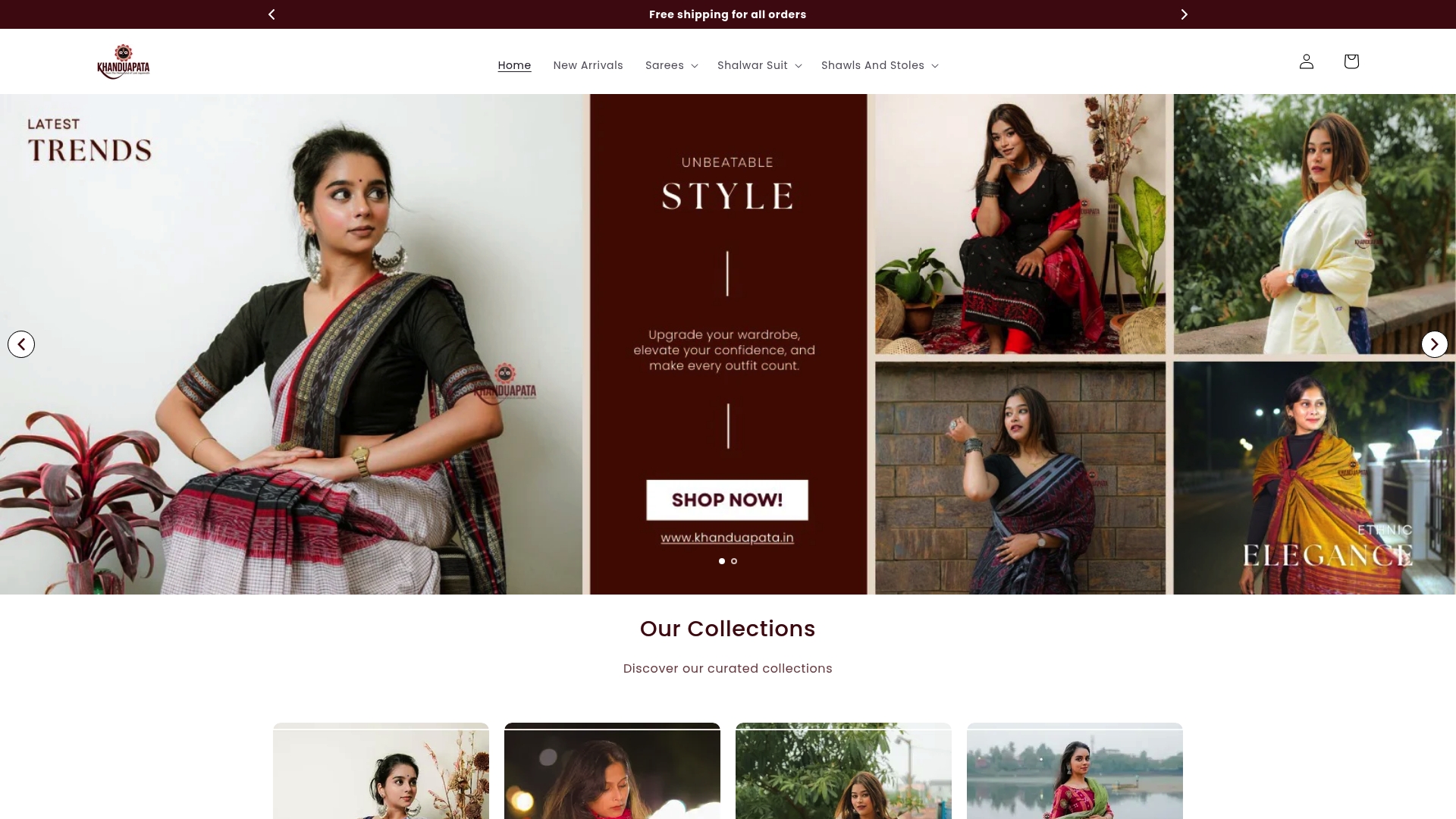
Their commitment to sustainable, artisan-made textiles aligns perfectly with cultural values and environmental responsibility. Every saree supports local weaving communities while preserving endangered traditional techniques that have been passed through generations.
Explore their range of authentic cotton sarees ideal for festival gifting and summer occasions. These pieces balance breathability with cultural authenticity, ensuring recipient comfort and satisfaction. For weddings and formal celebrations, discover exclusive handwoven silk sarees featuring intricate traditional motifs and premium craftsmanship.
Each product listing provides detailed artisan stories, weave specifications, and provenance information to support your verification process. This transparency builds confidence and helps you select gifts with complete understanding of their cultural and quality attributes.
FAQ
What is the ideal lead time for ordering a saree gift?
Ordering at least 4 weeks before your occasion reduces delivery problems by 75%, ensuring quality checks and on-time arrival. This timeline accommodates authentication verification, potential exchanges, and reliable shipping without last-minute stress. Late orders force compromises on selection and quality while increasing counterfeit risks.
How can I verify that a saree is truly handwoven?
Check weave density, yarn consistency, and dye uniformity for handloom characteristics like subtle irregularities proving human craftsmanship. Look for certification tags identifying the artisan or cooperative. Purchasing from verified artisan sources with documented heritage and transparency dramatically reduces counterfeit risk while ensuring authentic quality.
What fabrics are best for saree gifting in summer festivals?
Lightweight, breathable handwoven cotton sarees excel for hot summer festival gifting, balancing cultural authenticity with wearer comfort. Cotton sarees for summer events provide the airflow needed in high temperatures while maintaining traditional aesthetics appropriate for religious and cultural celebrations.
What are the risks of buying sarees without authenticity checks?
Counterfeit sarees constitute approximately 30% of online purchases made without proper verification, leading to recipient dissatisfaction and financial loss. Fake sarees degrade the cultural meaning of your gift and fail to support artisan communities. Verification through certifications, weave inspection, and trusted seller relationships protects against these risks.
How much should I budget for a quality handwoven saree gift?
Budget INR 3000-8000 for quality cotton handwoven sarees suitable for festivals and summer occasions. Silk sarees for weddings and formal events typically range INR 8000-20000+ depending on weave complexity and artisan reputation. Factor in delivery charges and potential customization costs when planning your total gift investment.