Sustainable saree shopping workflow: support artisans 2026
Finding a truly sustainable, handwoven saree that genuinely supports artisans feels overwhelming. With fake handlooms flooding markets and fragmented supply chains hiding the real makers, eco-conscious shoppers struggle to verify authenticity and ensure their purchase empowers traditional weavers. This guide delivers a clear, evidence-backed workflow for buying sustainable sarees in 2026, helping you navigate verification tools, choose ethical platforms, and make purchases that honor India’s weaving heritage while supporting fair artisan livelihoods.
Table of Contents
- Understanding The Challenges In Sustainable Saree Shopping
- Preparing For Sustainable Saree Shopping: Tools And Verification Methods
- Executing The Sustainable Saree Shopping Workflow
- Verifying Your Purchase And Supporting Artisan Sustainability
- Explore Sustainable Sarees At Khanduapata
- What Makes A Saree Truly Sustainable?
Key takeaways
| Point | Details |
|---|---|
| Industry challenges | Fragmented value chains and fake sarees undermine artisan earnings and consumer trust |
| Verification tools | GI tags and blockchain-enabled passports provide traceability and authenticity proof |
| Shopping workflow | Research certified platforms, verify authenticity, choose eco-friendly fibers, and confirm fair pricing |
| Artisan impact | Supporting transparent platforms ensures fair wages and preserves traditional weaving heritage |
| Post-purchase engagement | Use traceability tools and participate in artisan programs for sustained community support |
Understanding the challenges in sustainable saree shopping
India’s handloom saree industry faces structural problems that make sustainable shopping difficult. Value chain fragmentation leaves weavers with only 30-40% of final product value, with multiple intermediaries capturing the majority of profits. This opacity prevents consumers from knowing whether their purchase truly supports artisans or enriches middlemen.
Raw material sourcing adds another layer of complexity. Silk yarn prices fluctuate wildly, and quality inconsistencies force weavers to accept whatever materials become available. These supply chain disruptions increase production costs while reducing artisan control over their craft’s final quality.
The market flood of fake handloom sarees undermines authentic artisans, with machine-printed imitations sold as handwoven products at lower prices. Consumers lacking verification knowledge accidentally support industrial producers instead of traditional weavers. This deception erodes trust and damages the economic viability of genuine handloom communities.
Digital integration remains weak across the industry. Most weavers lack direct market access, relying on traders who provide no traceability information to end buyers. Without transparent supply chains, eco-conscious consumers cannot verify production methods, labor conditions, or environmental practices.
These interconnected challenges create a hostile environment for sustainable shopping:
- Artisans receive unfair compensation despite creating high-value products
- Consumers pay premium prices without guarantee of authenticity or ethical production
- Traditional weaving knowledge risks disappearing as younger generations abandon unprofitable crafts
- Environmental impact remains hidden when production methods lack transparency
Understanding these systemic issues highlights why a structured workflow for sustainable saree shopping becomes essential. Informed buyers need practical tools to navigate market complexities and identify authentic Indian handlooms while ensuring their purchases create positive artisan impact.
Preparing for sustainable saree shopping: tools and verification methods
Equipping yourself with verification tools transforms sustainable shopping from guesswork into informed decision-making. Three key systems help authenticate handwoven sarees and trace their production journey.
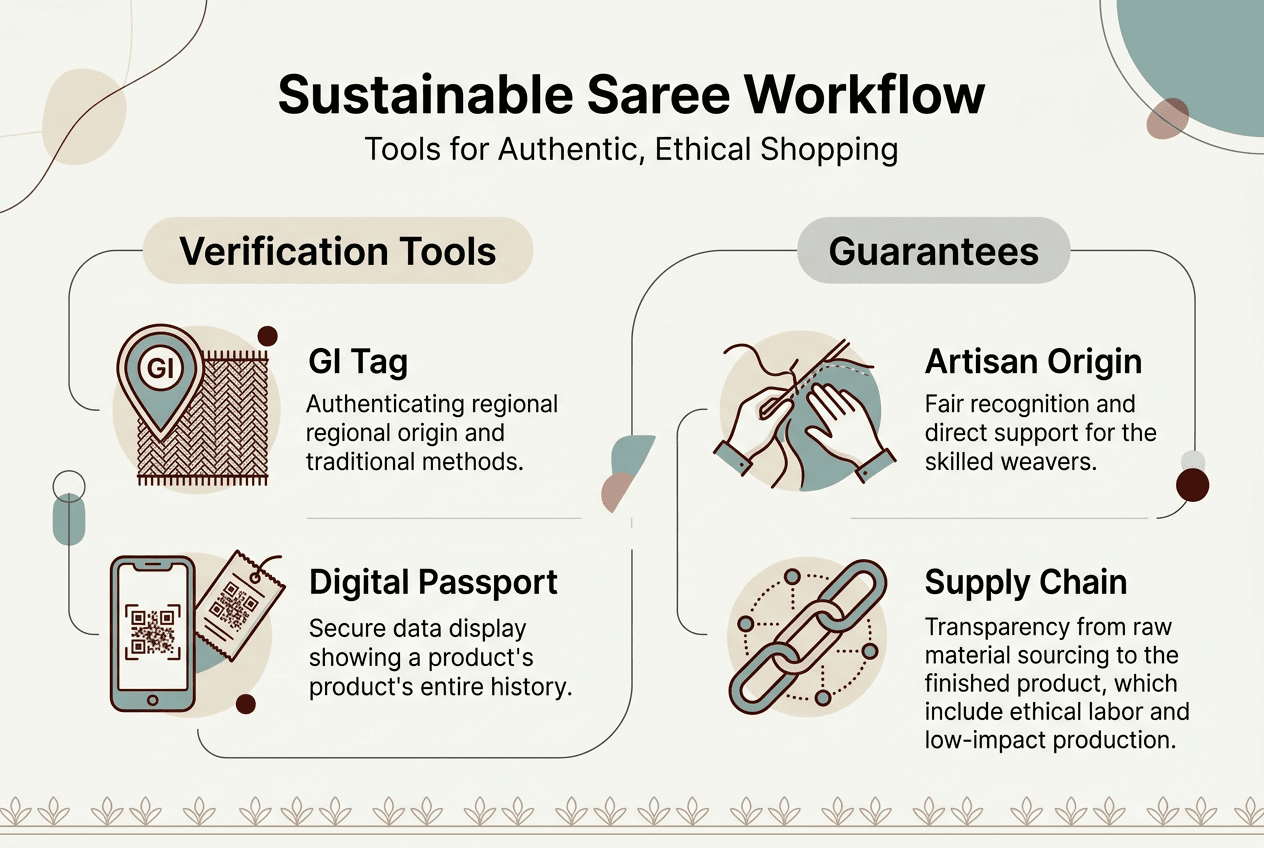
Geographical Indication tags verify authenticity for renowned handloom varieties like Banarasi, Chanderi, and Pochampally. These government-certified marks confirm regional origin and traditional production methods. When you spot a GI tag, you know the saree meets specific quality standards tied to its cultural heritage. However, GI tags alone don’t guarantee fair artisan wages or environmental sustainability, they simply validate geographic authenticity.
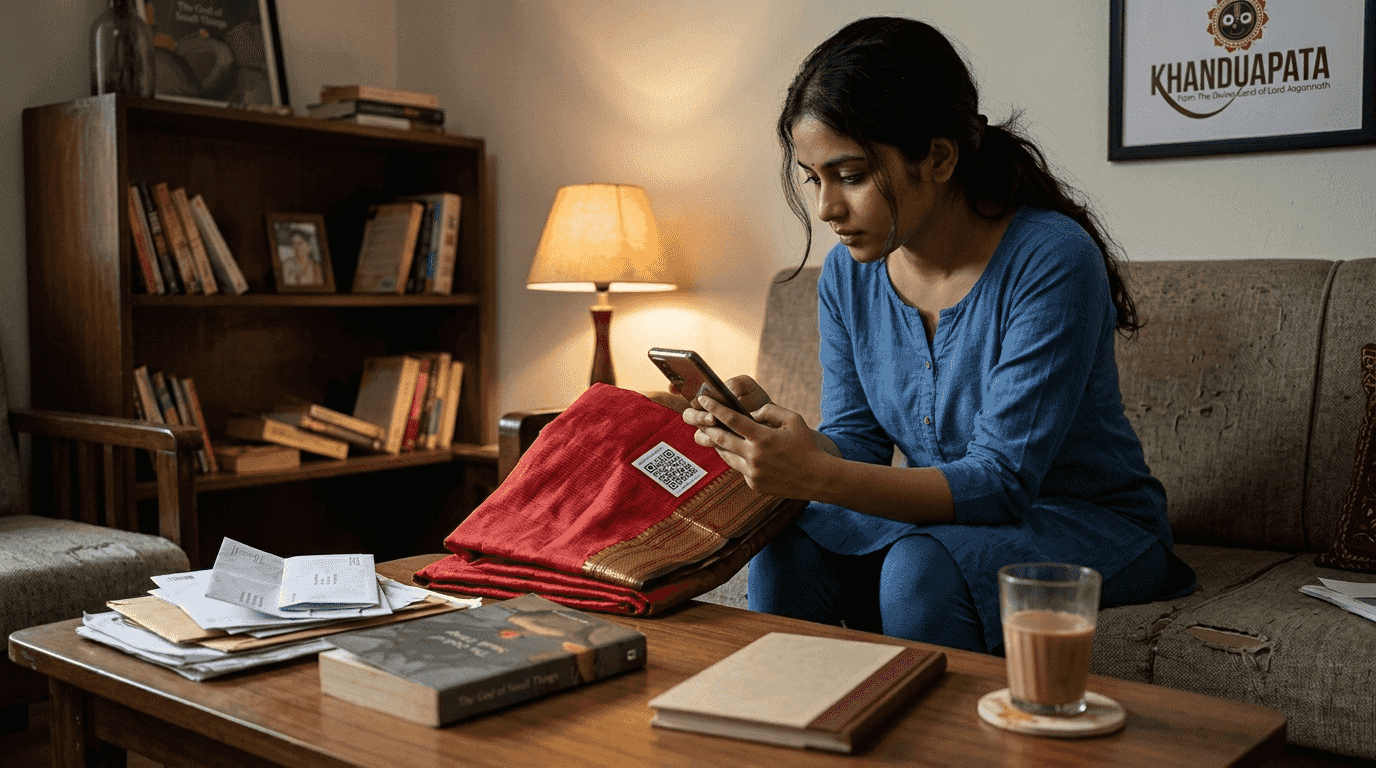
Blockchain-backed Digital Product Passports provide supply chain transparency, tracking each saree from raw material to finished product. These digital records include artisan stories, production timelines, and material sourcing details. Scanning a QR code reveals the weaver’s name, their community, and the exact techniques used. This technology eliminates intermediary opacity and connects you directly to the maker’s narrative.
Government initiatives like Handloom Mark Scheme promote traceability and quality certification. These programs help standardize authentication while supporting artisan welfare. The Handloom Mark indicates products meet handloom standards and come from registered weavers, though implementation varies across regions.
| Verification Tool | Key Features | What It Guarantees | Limitations |
|---|---|---|---|
| GI Tags | Regional authenticity, traditional methods | Geographic origin, cultural heritage | No wage or sustainability verification |
| Blockchain Passports | Full supply chain tracking, artisan stories | Production transparency, maker identity | Requires digital infrastructure |
| Handloom Mark Scheme | Government certification, quality standards | Handloom authenticity, registered weavers | Variable regional implementation |
Combining these tools creates a comprehensive verification approach. Start by checking for GI tags to confirm regional authenticity, then look for digital passports that reveal production details and artisan backgrounds. Government certifications add an extra validation layer, particularly when buying from unfamiliar sellers.
Pro Tip: Screenshot or save digital passport information before purchasing. This creates a permanent record of your saree’s origin story and helps you share authentic artisan narratives with others, amplifying the weaver’s visibility.
Platforms integrating these verification systems make authentic handloom identification straightforward. You avoid the guesswork that plagues traditional retail, where sellers make unverifiable claims about handloom authenticity. Digital traceability shifts power to informed consumers who demand proof, not promises.
Executing the sustainable saree shopping workflow
Follow this systematic approach to ensure your purchase supports artisans and aligns with sustainability values. Each step builds on verification tools while prioritizing ethical production.
-
Research artisan-centric platforms or certified sellers before browsing products. Look for websites that prominently feature weaver profiles, production transparency, and fair trade commitments. Platforms should explain their artisan payment structures and supply chain practices upfront. Generic marketplaces rarely provide this information, while specialized handloom platforms make it central to their value proposition.
-
Verify authenticity using GI tags and blockchain passports immediately upon viewing products. Don’t rely on seller descriptions alone. Check for scannable QR codes, NFC chips, or certification numbers you can validate through government databases. Products lacking verification mechanisms deserve skepticism, regardless of marketing claims about handloom authenticity.
-
Choose eco-friendly fibers like tussar silk or organic cotton that minimize environmental impact. These materials support sustainable agriculture and often involve marginalized artisan communities. Tussar silk production empowers rural women, while organic cotton avoids pesticide pollution. Synthetic blends or conventionally grown materials undermine sustainability goals even when handwoven.
-
Understand artisan stories and production methods by reading available profiles and watching demonstration videos. Quality platforms share weaver backgrounds, community contexts, and technique explanations. This knowledge helps you appreciate craft complexity while confirming genuine handloom production. Machine-made products lack these rich narratives because no individual artisan exists to profile.
-
Confirm fair pricing reflecting artisan welfare by comparing prices across platforms and understanding production time investments. Suspiciously cheap “handloom” sarees likely exploit weavers or misrepresent machine-made products. Premium pricing should correlate with documented artisan compensation, not just retailer markup. Transparent platforms break down pricing to show exactly how much reaches weavers.
-
Opt for customization to support low minimum order quantity weavers who maintain traditional skills. Platforms enabling traceability and customization empower artisans by allowing them to showcase specialized techniques and receive fair compensation for bespoke work. Custom orders prevent weavers from competing solely on price with mass producers.
Pro Tip: Contact sellers directly with specific questions about production methods, artisan compensation, and material sourcing. Responsive, detailed answers indicate genuine commitment to transparency, while vague or defensive replies suggest hidden supply chain issues.
This workflow transforms shopping from a transactional purchase into an informed choice supporting cultural preservation. You move beyond aesthetic preferences to consider production ethics, environmental impact, and artisan livelihoods. Raw material and production challenges facing weavers emphasize why supporting trusted, artisan-focused platforms matters. Your purchasing decisions either perpetuate exploitative systems or fund sustainable alternatives.
Applying these steps consistently builds expertise in recognizing authentic, ethical products. Over time, you’ll spot red flags instantly and identify trustworthy sellers at a glance. This knowledge protects you from greenwashing while ensuring your saree collection genuinely reflects your values.
Verifying your purchase and supporting artisan sustainability
Post-purchase verification confirms your saree delivers promised sustainability and artisan support. Active engagement extends your impact beyond a single transaction.
Use QR codes or NFC chips embedded in products to access complete production histories. Scan these immediately upon receiving your saree to verify the information matches pre-purchase claims. Digital records should include weaver names, production dates, material sources, and technique documentation. Discrepancies between marketing promises and actual product data indicate seller dishonesty.
Participate in or financially support artisan programs like Ecotasar, which empowers 2000 women through sustainable tussar silk production. These initiatives create livelihood opportunities while preserving traditional skills. Contributing to artisan cooperatives, skill development programs, or raw material funds amplifies your impact beyond individual purchases. Many platforms offer optional donation mechanisms or membership programs funding community development.
Government schemes validate ethical production and help preserve India’s weaving heritage through verified supply chains. Check whether your purchase connects to programs providing weaver insurance, pension benefits, or healthcare access. Platforms participating in government initiatives demonstrate commitment to comprehensive artisan welfare, not just fair product pricing.
| Aspect | Certified Artisan-Direct Sarees | Uncertified Market Sarees |
|---|---|---|
| Artisan earnings | 60-70% of final price | 30-40% of final price |
| Supply chain transparency | Full traceability with digital records | Opaque, multi-intermediary chains |
| Production verification | GI tags, blockchain passports, government marks | Unverifiable seller claims |
| Environmental practices | Documented eco-friendly materials and methods | Unknown or conventional processes |
| Cultural preservation impact | Direct support for traditional techniques | Indirect, often minimal contribution |
Maintain ongoing engagement with artisan communities through these practices:
- Follow weaver social media accounts to stay updated on their work and challenges
- Share your saree’s origin story on social platforms, tagging the artisan and platform
- Provide detailed reviews highlighting transparency and ethical practices to guide other buyers
- Return to the same weavers for future purchases, building long-term economic relationships
- Recommend verified platforms to friends seeking sustainable fashion options
These actions create sustained demand for ethical production while raising artisan visibility. Weavers gain direct market connections that reduce dependence on exploitative intermediaries. Your consistent support helps them plan production, invest in skills, and maintain traditional techniques.
Verification extends to material sustainability by confirming fiber sourcing and processing methods. Organic certifications, natural dye documentation, and water usage reports provide evidence of environmental commitments. Without this documentation, sustainability claims remain unverifiable marketing language.
Building a verified saree collection demonstrates that sustainable fashion doesn’t require compromising on beauty or quality. Each authenticated piece tells a story of cultural preservation, artisan empowerment, and environmental responsibility. This tangible proof counters skepticism about ethical fashion’s viability and inspires others to adopt similar shopping practices.
Explore sustainable sarees at Khanduapata
Ready to put this workflow into practice? Khanduapata offers authentic handwoven sarees rooted in generations of craftsmanship dedicated to Lord Jagannath’s sacred traditions. Our family’s heritage translates into meticulously crafted cotton and silk sarees that honor artisan skills while meeting contemporary aesthetic preferences.
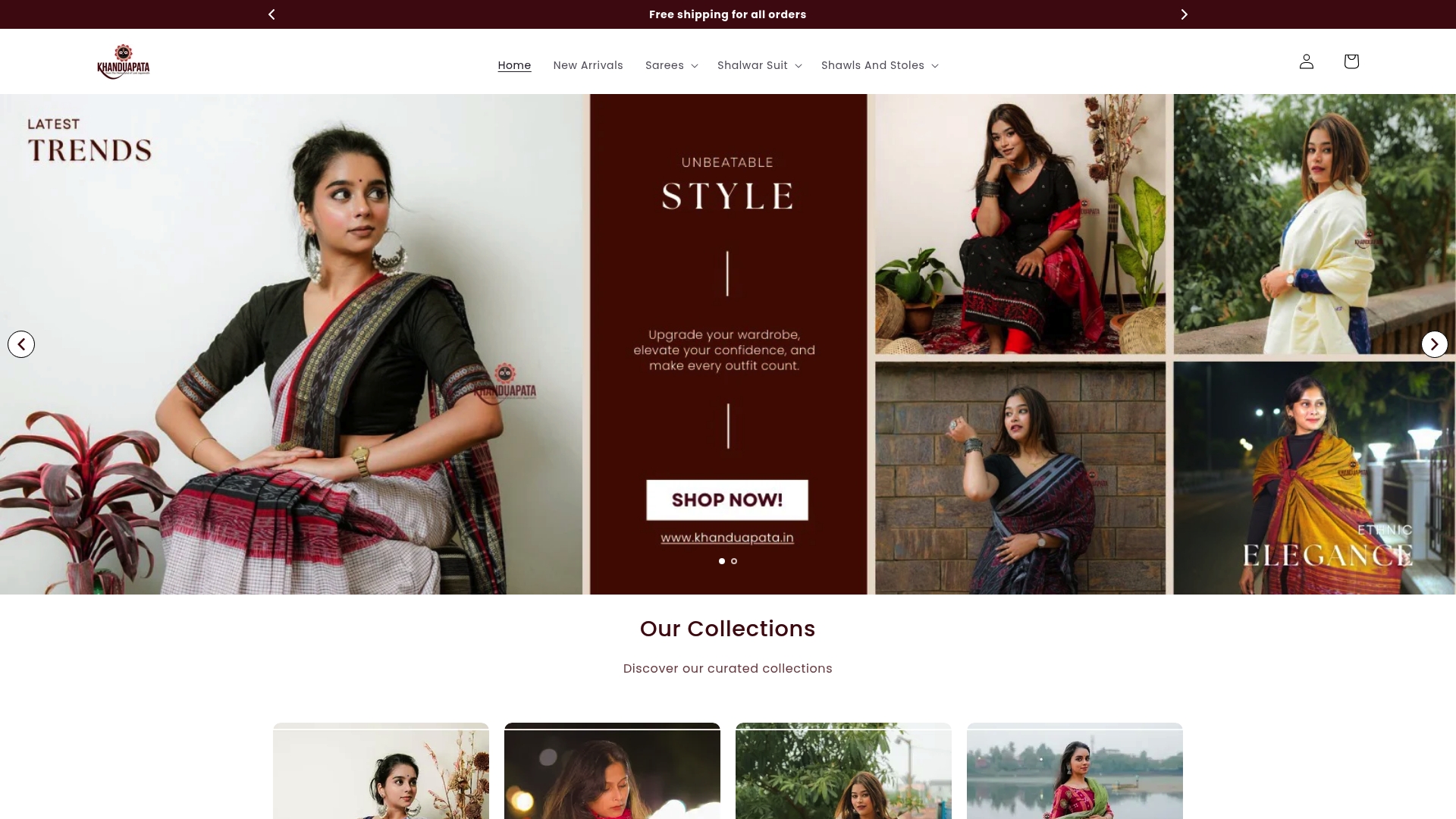
Browse curated collections featuring aesthetic plant design cotton sarees and Chanderi silk sarees with floral embroidery, each piece reflecting our commitment to preserving traditional weaving while supporting local artisan communities. Our transparent practices ensure your purchase directly empowers weavers and sustains India’s rich textile heritage. Experience the confidence of shopping with verified authenticity and cultural integrity.
What makes a saree truly sustainable?
Sustainable sarees combine eco-friendly fibers, ethical artisan wages, and transparent traceability throughout production. They minimize environmental impact through natural materials and traditional dyeing methods while preserving cultural heritage. True sustainability addresses both ecological and social dimensions, ensuring weavers receive fair compensation and work in dignified conditions. Products lacking any of these elements fall short of genuine sustainability.
How can I verify a handwoven saree’s authenticity before buying?
Look for GI tags and Digital Product Passports that provide verifiable production information. Ask sellers for artisan stories, production timelines, and material sourcing documentation. Legitimate handloom products come with scannable codes or certification numbers you can validate through government databases. Sellers unable or unwilling to provide verification evidence likely sell machine-made imitations. Authentic handloom identification requires documentation, not just marketing promises.
What are the best fibers for eco-conscious saree shoppers?
Tussar silk and organic cotton rank highest for sustainability and community impact. Tussar silk production supports marginalized rural women while requiring minimal chemical processing. Organic cotton avoids pesticide pollution and supports regenerative agriculture practices. Muslin offers another excellent choice, being lightweight, fully biodegradable, and produced through low-impact traditional methods. These eco-friendly fibers align environmental responsibility with artisan welfare.
How does supporting platforms like Handlooom.com empower artisans?
Platforms ensuring traceability and fair wages eliminate exploitative intermediaries, allowing weavers to receive 60-70% of product value instead of 30-40%. They enable customized orders that showcase specialized skills while preventing price-based competition with mass producers. Digital integration gives artisans direct market access and visibility, building sustainable livelihoods that preserve traditional weaving knowledge for future generations.