

Shawl guide 2026: embrace ethical handcrafted ethnic wear
Many shoppers believe shawls are merely fashion accessories, overlooking their rich cultural heritage and artisan craftsmanship. As Indian ethnic wear market to reach USD 20 billion by 2028, fashion-conscious consumers increasingly seek ethically produced pieces that celebrate tradition while supporting local communities. This guide clarifies shawl types, significance, and how to choose authentic, sustainable options that honor India's textile legacy.
Table of Contents
- Understanding The Cultural And Ethical Significance Of Indian Shawls
- Exploring Iconic Indian Shawls: Pashmina And Dongri
- Sustainable Practices In Shawl Making: Natural Dyes And Ethical Sourcing
- How To Choose And Care For Your Ethical Indian Shawl
- Discover Authentic Handcrafted Shawls At Khanduapata
- FAQ
Key takeaways
| Point | Details |
|---|---|
| Ethical production combines tradition with sustainability | Handcrafted shawls preserve heritage while using natural materials and ensuring fair artisan wages. |
| Pashmina and Dongri showcase distinctive craftsmanship | Each shawl type reflects unique regional techniques, materials, and cultural narratives from Indian communities. |
| Natural dyes minimize environmental impact | Plant-based colors reduce water pollution dramatically compared to synthetic chemical alternatives. |
| Authenticity requires verification | Look for certifications, artisan provenance, and handwoven characteristics to ensure genuine ethical sourcing. |
| Handwoven shawls are cultural investments | Each piece represents weeks of skilled labor, supporting artisan livelihoods and preserving traditional techniques. |
Understanding the cultural and ethical significance of Indian shawls
Shawls hold profound meaning in Indian culture, serving as versatile garments that blend elegance with tradition. Unlike mass-produced accessories, authentic handwoven shawls embody centuries of regional craftsmanship and cultural identity. Each piece tells a story through intricate patterns, natural dyes, and weaving techniques passed down through generations.
Ethical production goes beyond aesthetics. It encompasses fair labor practices where artisans receive living wages, cultural preservation that protects traditional techniques from extinction, and sustainable material sourcing that respects ecosystems. These elements create shawls that honor both people and planet.
The Indian ethnic wear market to reach USD 20 billion by 2028 reflects growing consumer awareness. Fashion-conscious individuals now prioritize authenticity over fast fashion, recognizing that handcrafted textiles carry irreplaceable value. This shift empowers artisan communities economically while safeguarding India's textile heritage.
Benefits of choosing ethical shawls include:
- Unique artistry impossible to replicate through machine production
- Direct support for artisan families and their traditional livelihoods
- Environmental sustainability through natural materials and low-impact processes
- Cultural storytelling that connects wearers to India's rich heritage
- Investment quality pieces that appreciate in value and meaning over time
"When you purchase a handcrafted shawl, you're not buying fabric. You're preserving a living tradition and supporting the artisan families who keep these ancient techniques alive."
Brands like Khanduapata demonstrate how businesses can honor this legacy. By prioritizing artisan partnerships and sustainable practices, they create pathways for consumers to make purchases aligned with their values. Every ethical shawl purchase becomes an act of cultural preservation.
Exploring iconic Indian shawls: pashmina and dongri
India's shawl tradition encompasses diverse regional styles, each with distinct characteristics. Two standout examples, Pashmina and Dongri, illustrate the breadth of craftsmanship and cultural significance these garments represent.
Pashmina shawls are crafted from the ultra-fine undercoat wool of Changthangi goats, native to Ladakh's high-altitude regions. This remarkable fiber measures just 12-15 microns in diameter, making it softer than cashmere and exceptionally warm despite being lightweight. Kashmiri artisans have perfected pashmina weaving over centuries, creating pieces that take weeks or months to complete depending on complexity.
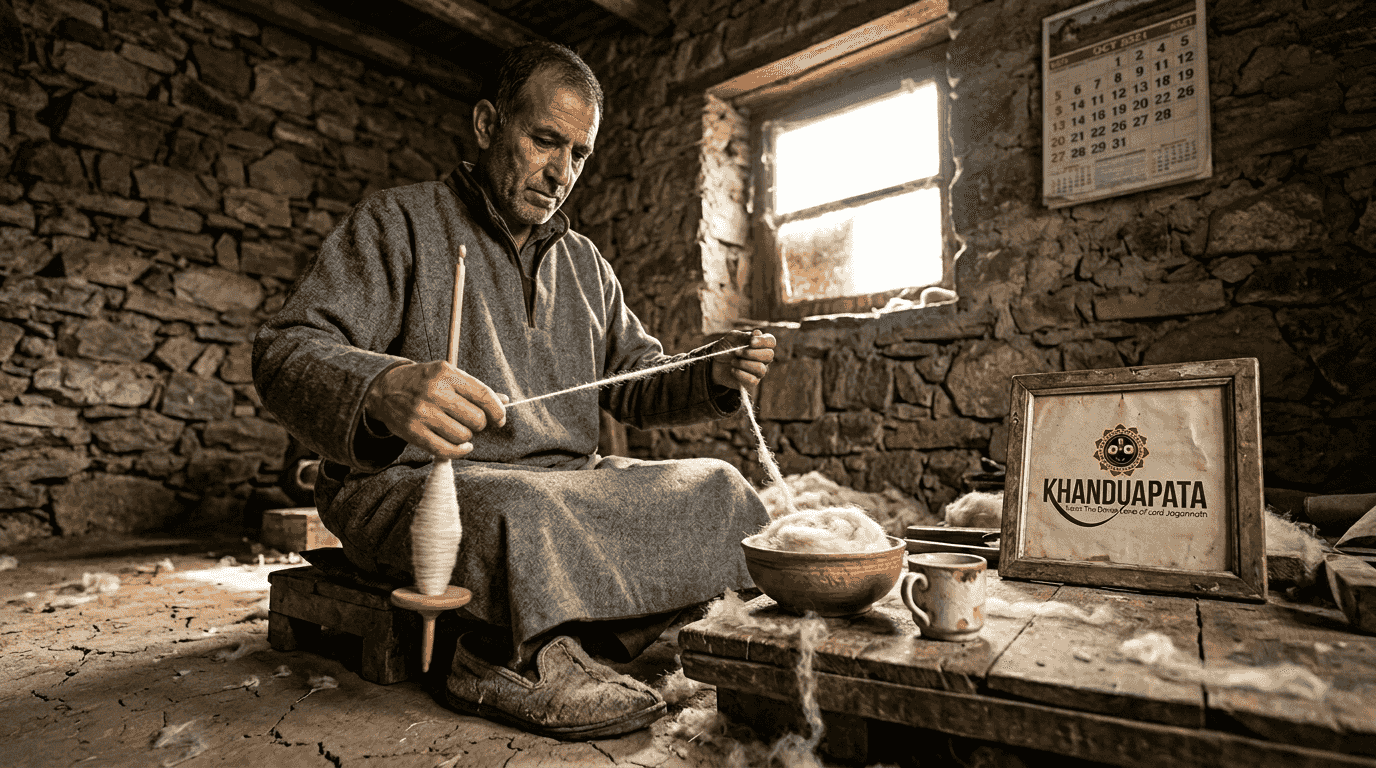
The production process demands extraordinary skill. Artisans hand-spin the delicate fibers, then weave them on traditional looms with meticulous attention to tension and pattern. Intricate designs often incorporate sozni embroidery, adding another layer of artistry. This labor-intensive approach explains why authentic pashminas command premium prices.
Dongri shawls originate from Odisha's Dongria Kondh tribal community, carrying entirely different cultural significance. These cotton or silk pieces feature bold geometric patterns and vibrant colors that reflect tribal aesthetics and spiritual symbolism. The Dongri shawl's design promotes cultural tourism, helping sustain tribal livelihoods while sharing their artistic heritage with wider audiences.
Unlike pashmina's refined elegance, Dongri shawls celebrate raw, expressive artistry. Tribal weavers use traditional pit looms and natural dyes to create distinctive patterns that tell stories of their community's relationship with surrounding forests and deities. Each motif carries specific meaning within Dongria Kondh culture.
| Aspect | Pashmina | Dongri |
|---|---|---|
| Origin region | Ladakh and Kashmir | Odisha tribal areas |
| Primary material | Changthangi goat wool | Cotton or silk |
| Production time | Weeks to months | Days to weeks |
| Design aesthetic | Refined, intricate embroidery | Bold geometric tribal patterns |
| Cultural role | Luxury garment, status symbol | Cultural identity marker, community income |
| Price range | Premium due to material rarity | Moderate, accessible |
Key distinctions between these shawl types:
- Material sourcing reflects regional ecosystems and available resources
- Weaving techniques adapt to fiber properties and cultural traditions
- Color palettes derive from locally available natural dyes
- Pattern significance connects to specific cultural narratives and beliefs
Explore authentic examples like the Dongri shawl heritage cotton to appreciate these differences firsthand. Understanding regional variations helps you make informed choices that align with your aesthetic preferences and ethical values.
Pro Tip: When comparing shawls, feel the fabric weight and examine pattern clarity. Authentic handwoven pieces show slight irregularities that prove human craftsmanship, unlike machine-made uniformity.
Sustainable practices in shawl making: natural dyes and ethical sourcing
Sustainability in textile production extends beyond marketing buzzwords. For shawls, it encompasses environmental impact reduction, fair labor practices, and supply chain transparency that consumers can verify.
Natural dyes reduce water pollution by up to 80% compared to synthetic alternatives, representing one of the most significant environmental benefits. Plant-based dyes from indigo, turmeric, madder root, and pomegranate create rich, lasting colors without toxic chemical runoff. This traditional approach protects water sources that communities depend on for drinking and agriculture.
The dyeing process itself requires skill and patience. Artisans extract colors through careful preparation, often using multiple dips to achieve desired depth. Natural dyes also interact uniquely with different fibers, creating subtle color variations that add character. These organic variations distinguish handcrafted textiles from mass-produced uniformity.
Ethical sourcing demands rigorous supply chain verification. Fairtrade standards provide frameworks for ensuring artisans receive fair compensation and work in safe conditions. Transparent sourcing means knowing exactly where materials originate, who produced the shawl, and under what labor conditions.
| Environmental Impact | Natural Dyes | Synthetic Dyes |
|---|---|---|
| Water pollution reduction | 80% less contamination | High chemical runoff |
| Biodegradability | Fully biodegradable | Persistent pollutants |
| Energy consumption | Low, uses solar heat | High industrial processing |
| Health impact on artisans | Minimal with proper handling | Respiratory and skin hazards |
| Color fastness | Good with proper mordants | Excellent but toxic |
Challenges in handcrafted sustainable textiles include:
- Quality variance due to natural material fluctuations and human craftsmanship
- Higher production costs reflecting fair wages and time-intensive processes
- Limited scalability compared to industrial manufacturing
- Consumer education needed to appreciate value over mass-market alternatives
These challenges yield unique benefits. No two naturally dyed shawls are identical, ensuring your piece is truly one of a kind. The higher cost reflects genuine value in artisan skill, environmental stewardship, and cultural preservation. Learn more about identifying authentic handlooms to recognize quality craftsmanship.
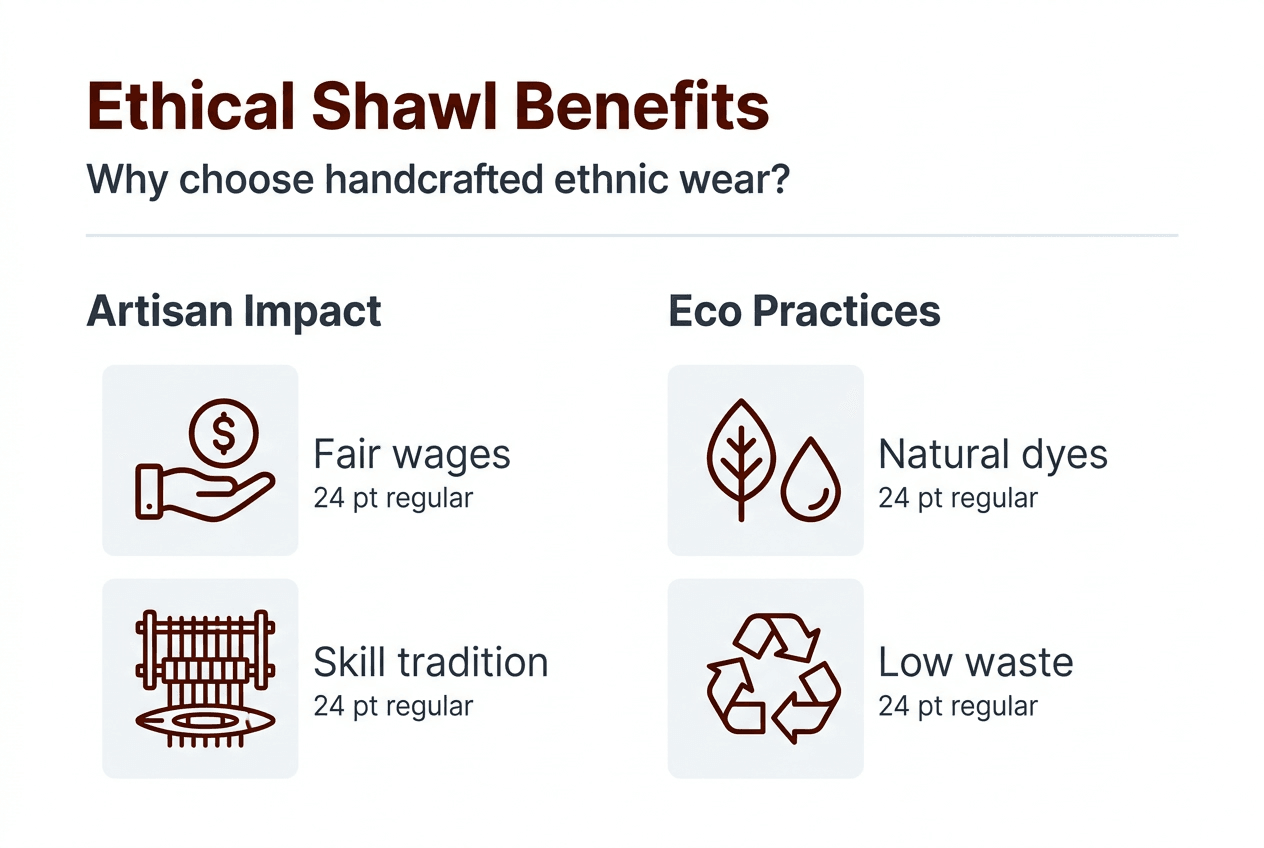
Verifying ethical sourcing requires asking direct questions. Where was this shawl made? Can you name the artisan or community? What certifications validate your ethical claims? Reputable sellers welcome these inquiries and provide transparent answers.
Pro Tip: Request information about the specific natural dyes used in your shawl. Knowing whether indigo, madder, or turmeric created the colors connects you more deeply to the piece's story and production process.
How to choose and care for your ethical Indian shawl
Selecting an authentic, ethically made shawl requires knowledge and attention to detail. This investment deserves careful consideration to ensure you acquire a genuine piece that honors artisan craftsmanship.
Steps to verify authenticity and ethical production:
- Examine certifications like Fair Trade, Handloom Mark, or artisan cooperative endorsements displayed by the seller.
- Request information about the shawl's origin, including specific region, community, or named artisan who created it.
- Inspect the weaving quality for characteristic handmade irregularities that prove human craftsmanship over machine production.
- Verify natural dye use by checking for color depth variations and asking about specific plant sources used.
- Confirm the seller's commitment to fair pricing that compensates artisans appropriately for their skill and time.
- Research the brand's reputation and transparency about supply chain practices and artisan partnerships.
Signs of quality craftsmanship to look for:
- Uniform weaving density without loose threads or gaps in the fabric structure
- Clean, well-defined pattern edges that demonstrate weaver precision
- Natural color variations that indicate hand-dyeing rather than chemical uniformity
- Appropriate weight for the material type, neither too heavy nor flimsy
- Finished edges and hems that show attention to detail and durability
Remember that creating a single Pashmina shawl can take weeks to months, reflecting the meticulous skill invested. This time investment justifies premium pricing and deserves respect through proper care.
Caring for your handcrafted shawl preserves its beauty and extends its lifespan:
- Hand wash gently in cool water using mild, pH-neutral soap designed for delicate fabrics.
- Avoid wringing or twisting, which damages fibers and distorts the weave structure.
- Dry flat on a clean towel away from direct sunlight that can fade natural dyes.
- Store folded loosely in breathable cotton bags, never plastic that traps moisture.
- Keep away from moths using natural cedar or lavender sachets rather than chemical mothballs.
- Air out occasionally to prevent musty odors and maintain freshness.
Different materials require specific care approaches. Wool shawls benefit from occasional professional cleaning, while cotton pieces tolerate more frequent washing. Silk demands the gentlest treatment with specialized detergents. Understanding your shawl's fiber composition guides appropriate maintenance.
Discover more about the artisan legacy in handwoven cotton to appreciate the tradition behind your purchase. This knowledge deepens your connection to the piece and motivates proper care that honors the maker's effort.
Pro Tip: Take photos of your shawl when new to document its original colors and condition. This record helps you track how well your care routine preserves the piece over years of wear.
Discover authentic handcrafted shawls at Khanduapata
Your journey into ethical ethnic wear finds a trusted partner at Khanduapata, where tradition and sustainability unite in every weave. This family business honors a heritage rooted in crafting sacred garments for Lord Jagannath, bringing centuries of devotion and artistry to contemporary fashion.
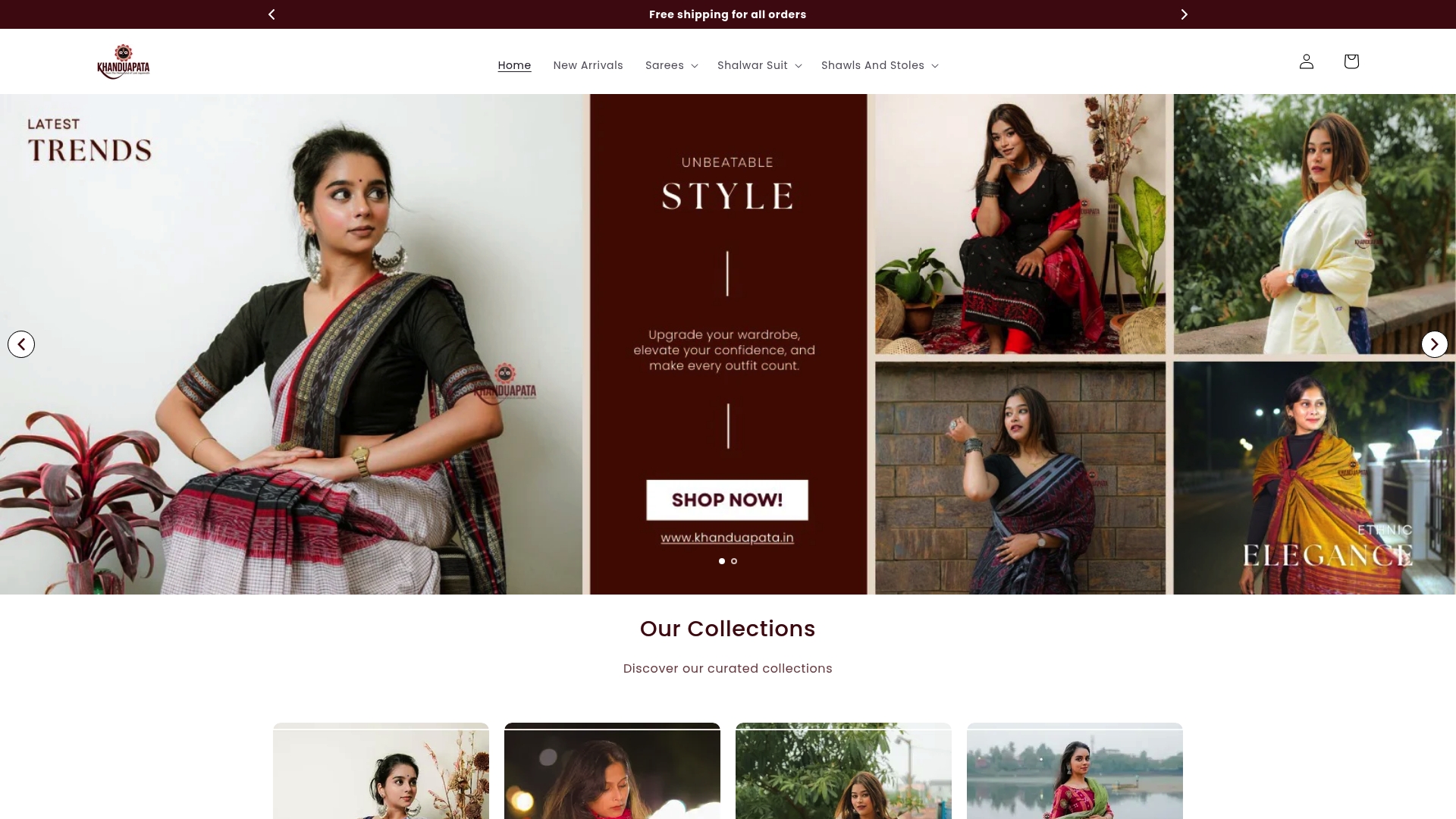
Khanduapata's curated collection showcases authentic handwoven shawls that embody the principles discussed throughout this guide. Each piece comes from skilled artisans using natural dyes, sustainable materials, and time-honored techniques. When you choose Khanduapata, you directly support artisan communities preserving India's textile legacy.
Explore standout pieces like the indigo blue heritage cotton shawl, featuring rich plant-based dyes and intricate tribal patterns. Or discover the chakra design heritage shawl, blending spiritual symbolism with elegant craftsmanship. Each shawl carries the story of its maker and the cultural traditions it represents.
Shopping at Khanduapata means investing in fashion that aligns with your values, supporting sustainable practices, and celebrating India's rich artistic heritage with every purchase.
FAQ
What is the difference between a pashmina and a regular wool shawl?
Pashmina shawls are made from ultra-fine wool from Changthangi goats, measuring just 12-15 microns in diameter compared to regular wool's 20-40 microns. This exceptional fineness creates unmatched softness and warmth despite lightweight feel. Regular wool shawls use coarser fibers and lack the refined Kashmiri craftsmanship that defines authentic pashmina.
How can I verify if a shawl is ethically sourced and handcrafted?
Verification involves checking certifications like Fair Trade and requesting detailed information about artisan provenance and production location. Examine the shawl for handwoven characteristics like slight irregularities and natural dye color variations. Reputable sellers provide transparent answers about supply chains and welcome questions.
What are the benefits of using natural dyes in shawls?
Natural dyes reduce water pollution by up to 80% compared to synthetic alternatives, protecting ecosystems and community water sources. They produce rich, authentic colors with subtle variations that enhance each shawl's uniqueness and cultural value. Natural dyes are biodegradable and pose minimal health risks to artisans during production.
How should I care for my handwoven Indian shawl?
Hand wash gently in cool water with mild soap, avoiding wringing that damages fibers. Dry flat away from direct sunlight to prevent color fading. Store folded loosely in breathable cotton bags with natural moth deterrents like cedar or lavender. Different materials require specific care, so identify your shawl's fiber composition and adjust your routine accordingly for optimal preservation.
Why do authentic handcrafted shawls cost more than mass-produced alternatives?
Authentic shawls reflect weeks or months of skilled artisan labor, fair wages that support families, and sustainable materials that cost more than synthetic alternatives. Each piece is unique, created through time-intensive traditional techniques impossible to replicate industrially. The higher price represents genuine value in craftsmanship, cultural preservation, and environmental stewardship rather than corporate profit margins.
