Heritage saree styles: Authentic handloom trends for 2026
Choosing a saree in 2026 means navigating a wide range of options, from mass-produced imitations to genuine handloom pieces with documented provenance. Fashion-conscious buyers now expect both cultural authenticity and contemporary relevance. Handloom revival and traceable fabrics are among the defining trends of 2026, signaling a clear shift away from synthetic excess toward craftsmanship and sustainability. This guide covers the most significant heritage saree styles, how to evaluate authenticity, and how each style fits into modern wardrobes.
Table of Contents
- How to select authentic heritage sarees in 2026
- Kanjivaram silk sarees: Timeless South Indian luxury
- Banarasi sarees: Mughal-inspired artistry and enduring elegance
- Patteda Anchu: Reversible cotton sarees for eco-conscious style
- Venkatagiri sarees: Lightweight luxury for festive and formal style
- 2026 style trends: Fusion drapes, color palettes, and sustainability
- Head-to-head: Comparison of heritage saree styles for 2026
- Explore handwoven sarees at Khanduapata
- Frequently asked questions
Key Takeaways
| Point | Details |
|---|---|
| Handloom authenticity matters | GI tags, threadwork, and weaving marks help verify genuine handloom sarees. |
| Contemporary style meets tradition | 2026 fusion blouses, drapes, and minimal jewelry update heritage sarees for modern living. |
| Sustainability drives choices | Handloom, eco-dyes, and circular fashion are key to both cultural and environmental impact. |
| Color trends embrace earthy tones | Greens, maroon, and terracotta hues define this year’s saree aesthetic. |
| Compare for customization | Using comparison tables can help match saree type to comfort, style, and occasion preferences. |
How to select authentic heritage sarees in 2026
Selecting a heritage saree requires a structured approach. Authenticity, provenance, and sustainability are the primary criteria. Style compatibility with current trends is a secondary but important factor.
Key criteria for evaluation:
- GI tag verification: A Geographical Indication (GI) tag confirms that the saree originates from a specific region and meets defined production standards. Always check for this label when purchasing.
- Handloom and eco-dye practices: Genuine handloom sarees show slight irregularities in weave, which are a natural result of hand production. Eco-dyed sarees use plant-based or low-impact dyes, reducing environmental harm.
- 2026 style updates: Lighter weaves, modular draping styles, and structured blouses are prominent this year. These updates make heritage sarees more practical for daily and formal wear.
- Authenticity markers: Examine the weight of the fabric, the shine of the zari (metallic thread), thread count, and the precision of motifs. Machine-made sarees often have uniform, flat patterns, while handloom pieces show depth and variation.
For a detailed review of sustainable saree shopping practices, including how to support artisans directly, additional resources are available. A broader saree craftsmanship guide also covers weaving techniques and quality benchmarks.
Pro Tip: Request a weave certificate or artisan card from the seller. Reputable handloom retailers provide documentation that traces the saree back to its weaver and region of origin.
Kanjivaram silk sarees: Timeless South Indian luxury
Kanjivaram sarees originate from Kanchipuram, Tamil Nadu, and carry a 1,400-year-old weaving legacy rooted in the Pallava dynasty. They are GI-tagged and recognized as one of India’s most prestigious silk traditions.
Defining features of Kanjivaram sarees:
- Mulberry silk: The base fabric uses pure mulberry silk, known for its weight and sheen.
- Interlocked borders: The body and border are woven separately and then interlocked, a technique that prevents border separation over time.
- Gold zari: Traditional Kanjivaram sarees use real gold or silver zari, contributing to their weight and value.
- Temple motifs: Designs often include gopuram (temple tower), rudraksha, and peacock patterns.
“Demand for handloom Kanjivaram sarees has increased 40 to 50 percent in 2026, with buyers prioritizing authenticated, lighter silk-cotton blends over heavier traditional versions.”
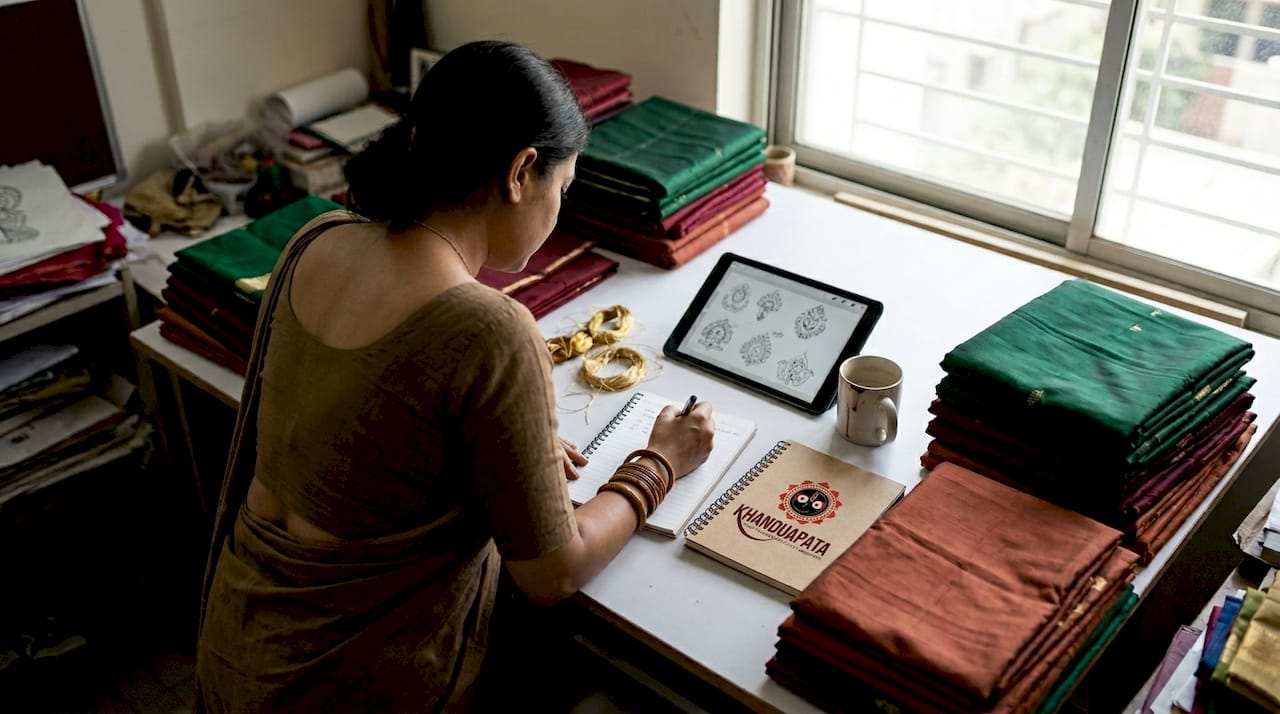
In 2026, emerald greens, deep maroons, and jewel tones are the dominant color choices for Kanjivaram sarees. Silk-cotton blends are gaining traction as a lighter alternative for buyers who want the aesthetic without the full weight of pure silk. A temple motif cotton saree offers a comparable visual style at a more accessible price point. For context on why silk carries cultural weight, the silk saree cultural significance resource provides relevant background.
Banarasi sarees: Mughal-inspired artistry and enduring elegance
Banarasi sarees are produced in Varanasi, Uttar Pradesh, and reflect centuries of Mughal artistic influence. The foundation fabric is typically Katan silk, a tightly twisted silk that gives the saree its characteristic drape and durability.
Key weaving techniques used in Banarasi sarees:
- Kaduwa: A technique where extra weft threads create raised motifs on the surface.
- Tanchoi: A satin-weave method that produces smooth, colorful patterns without visible floats on the reverse.
- Rangkat: A technique that creates two-toned or multi-colored effects within a single weave.
- Tanchui brocade: A variation that incorporates additional silk threads for added texture and depth.
Each saree can take weeks of weaving to complete, depending on the complexity of the design. This production time directly affects pricing and is a key indicator of authenticity.
| Technique | Surface finish | Typical use |
|---|---|---|
| Kaduwa | Raised motifs | Bridal and festive |
| Tanchoi | Smooth, flat | Formal and semi-formal |
| Rangkat | Two-toned | Contemporary fusion |
| Tanchui brocade | Textured | Heavy bridal wear |
For buyers interested in the broader context of silk saree craftsmanship, detailed technique comparisons are available. Information on saree draping styles specific to Banarasi sarees is also documented.
Patteda Anchu: Reversible cotton sarees for eco-conscious style
Patteda Anchu sarees come from northern Karnataka and are over 250 years old, with a GI tag that protects their regional identity. They are handloom cotton sarees known for their reversible design and use of eco-friendly dyes.
Distinctive characteristics:
- Reversible construction: Both sides of the saree are finished, allowing the wearer to use either side as the display face.
- Check patterns: The body features geometric check designs created through the interlacing of colored threads.
- Five contrasting borders: A defining visual feature, with each border in a distinct color.
- Cotton count: Patteda Anchu sarees use 20s to 40s cotton count, which determines breathability and softness.
- Eco dyes: Natural and low-impact dyes are standard in authentic production.
Pro Tip: When buying Patteda Anchu sarees, verify the GI tag and ask about the dye source. Authentic pieces use plant-based or certified low-impact dyes, which are gentler on skin and the environment.
For buyers who want to support the artisans behind these sarees, the artisan-support handloom workflow outlines practical steps for ethical purchasing.
Venkatagiri sarees: Lightweight luxury for festive and formal style
Venkatagiri sarees originate from Andhra Pradesh and have a history of royal patronage dating to the 18th century. They are recognized for their fine texture, high thread count, and the use of the jamdani weaving technique.
Key features:
- Jamdani technique: Extra weft threads are inserted manually to create intricate floral and geometric motifs directly in the weave.
- High thread count: Venkatagiri sarees are among the finest cotton and silk-cotton weaves in India, with thread counts that produce a near-translucent finish.
- Thin zari borders: Unlike the heavy borders of Kanjivaram, Venkatagiri sarees use delicate zari borders that add definition without weight.
- Silk-cotton blends: Many contemporary versions combine silk and cotton for added sheen and durability.
“Venkatagiri sarees are prized for their high thread count, jamdani motifs, and thin zari borders, making them suitable for both festive and formal occasions without the weight of heavier silk sarees.”
For buyers comparing Venkatagiri with other fine weaves, the traditional silk saree guide provides a structured comparison of weave types and regional origins.
2026 style trends: Fusion drapes, color palettes, and sustainability
The dominant shift in 2026 is toward lighter weaves and modular drapes, with maximalism giving way to quiet luxury. Heritage sarees are being styled in new ways that preserve their cultural identity while adapting to contemporary contexts.
Top 2026 styling trends for heritage sarees:
- Fusion draping: Pant-style drapes, pre-stitched sarees, and belted styles are widely adopted for ease of wear.
- Cropped jackets and structured blouses: These pairings add a modern silhouette to traditional weaves. Current 2026 blouse trends favor structured cuts and contrast fabrics.
- Earth and jewel tones: Emerald green, terracotta, maroon, and mustard are the primary color choices this year.
- Minimal jewelry: Heavy gold sets are being replaced by single-piece statement jewelry or oxidized silver.
- Sustainable sourcing: Buyers are prioritizing handloom-certified and regenerative fiber sarees.
Heritage sarees are also being styled with belts and pant drapes as part of a broader move toward functional, everyday elegance. For reference on traditional and contemporary fusion draping options, documented draping styles are available by region and occasion.
Pro Tip: Pair a lightweight Venkatagiri or Patteda Anchu saree with a structured cotton blouse and a single oxidized silver necklace for a 2026-appropriate look that works for both office and festive settings.
| Style element | 2025 trend | 2026 trend |
|---|---|---|
| Fabric weight | Heavy silk | Lighter silk-cotton blends |
| Draping style | Traditional Nivi | Modular, pant-style, belted |
| Color palette | Bright, maximalist | Earth tones, jewel tones |
| Jewelry | Heavy gold sets | Minimal, statement pieces |
| Blouse style | Conventional cuts | Structured, contrast fabric |
Head-to-head: Comparison of heritage saree styles for 2026
The table below summarizes the key differences across the four heritage saree styles covered in this guide. Use it as a quick reference when making a purchase decision.
| Saree type | Fabric | Best use | Comfort | Sustainability | Price range |
|---|---|---|---|---|---|
| Kanjivaram | Mulberry silk | Bridal, festive | Moderate | Medium (GI-tagged) | High |
| Banarasi | Katan silk | Bridal, formal | Moderate | Medium (handloom) | High |
| Patteda Anchu | Handloom cotton | Daily, casual | High | High (eco-dyed, GI) | Low to medium |
| Venkatagiri | Silk-cotton blend | Festive, formal | High | Medium (handloom) | Medium |
Saree motifs carry cultural symbolism and are often passed as heirlooms across generations. This adds long-term value beyond aesthetics. For buyers who want a structured decision framework, the traditional saree selection guide covers criteria by occasion, budget, and regional preference. Lighter alternatives such as Venkatagiri and Patteda Anchu are well-suited for buyers who prioritize comfort and eco-conscious sourcing over ceremonial weight.
Explore handwoven sarees at Khanduapata
Khanduapata offers a curated range of handwoven sarees, including pure cotton and silk options rooted in the heritage of Lord Jagannath’s weaving tradition. Each piece is produced by skilled artisans using traditional techniques and traceable materials.
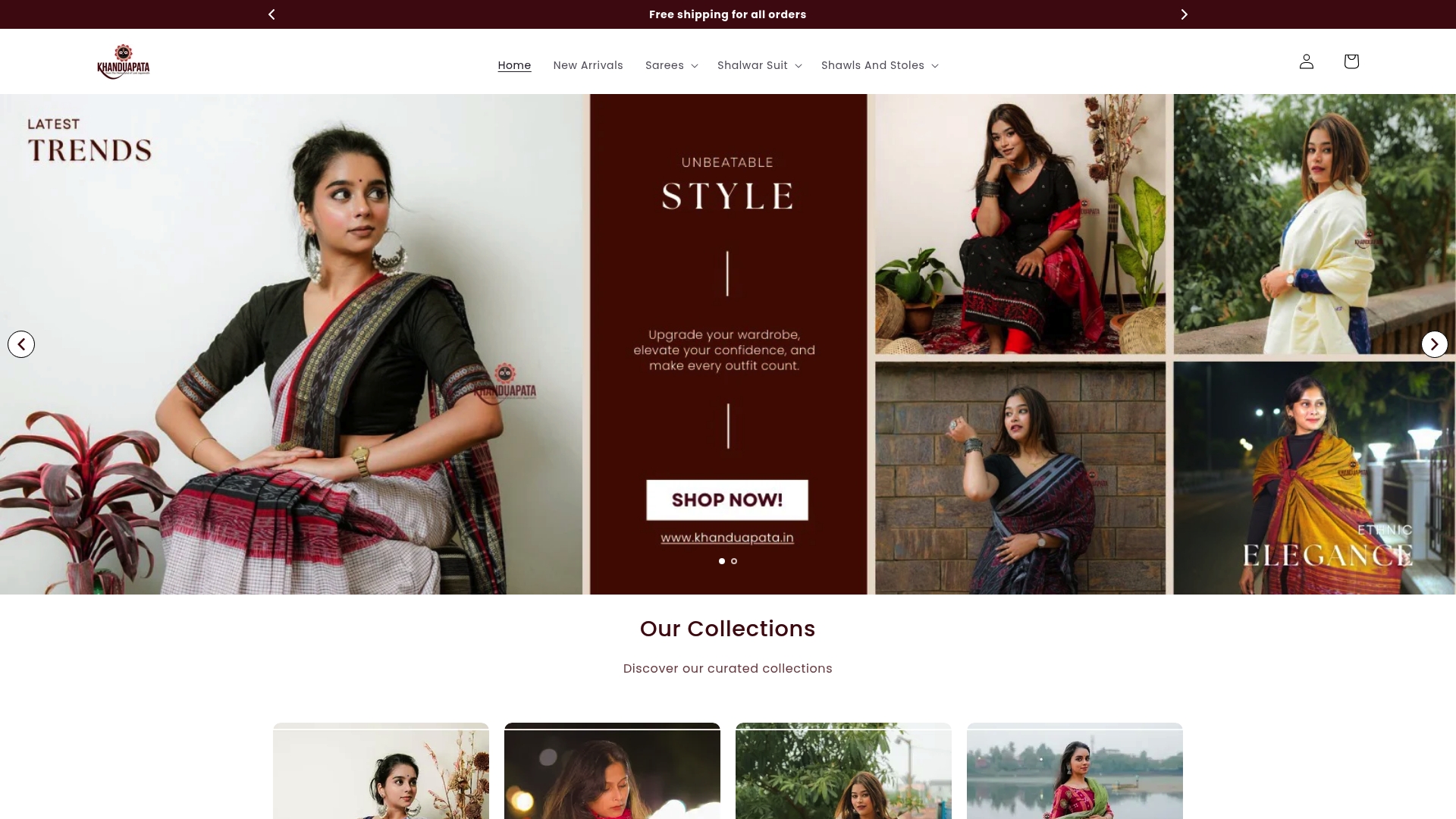
The collection includes handwoven pure cotton sarees, silk sarees, stoles, and shawls. All products are crafted to meet both cultural standards and contemporary style requirements. Buyers looking for GI-tagged, artisan-made sarees with documented provenance will find relevant options across the catalog. Visit Khanduapata to review available styles, fabric specifications, and artisan details. Each purchase directly supports the preservation of handweaving traditions and the livelihoods of the artisans involved.
Frequently asked questions
How can I verify if my saree is authentic handloom in 2026?
Check for a GI tag on the label, examine the interlocking threads for natural variation, and assess the weight and zari shine. These markers reliably distinguish genuine handloom from machine-made alternatives.
What saree style is best for summer comfort and daily wear?
Cotton sarees such as Patteda Anchu are the most practical choice, as they use a 20s to 40s cotton count for breathability and are finished with eco-friendly dyes suitable for regular wear.
What are the most popular colors and motifs for sarees in 2026?
Emerald greens, terracotta, maroon, and temple motifs are the leading choices in 2026, with green tones and temple motifs particularly prominent in Kanjivaram sarees.
How are heritage sarees being styled for contemporary fashion in 2026?
Heritage sarees are paired with structured blouses and belts, pant-style drapes, and minimal jewelry to create versatile looks suitable for both formal and casual settings in 2026.