Traditional saree selection: Complete guide (2026)
Selecting a traditional saree can feel overwhelming when you face countless styles, weaves, and regional variations. Each piece carries cultural significance and craftsmanship that spans generations, making the choice both exciting and complex. Understanding the nuances of handloom textiles, fabric types, and cultural contexts is essential to finding a saree that truly resonates with your heritage and personal style. This guide walks you through the entire selection process, from recognizing authentic craftsmanship to making confident purchasing decisions that honor India’s rich textile traditions.
Table of Contents
- Key takeaways
- Understanding traditional sarees and their cultural significance
- Preparing for your saree selection: what to consider before buying
- Step-by-step traditional saree selection process
- Verifying authenticity and caring for your traditional saree
- Explore exquisite traditional sarees at Khanduapata
- FAQ
Key Takeaways
| Point | Details |
|---|---|
| Recognize saree varieties | Identify major fabrics and regional styles such as Banarasi, Kanjeevaram, Chanderi, and cotton to match occasion and heritage. |
| Assess craftsmanship quality | Evaluate handloom origin, weaving techniques, and artisan craftsmanship to value authenticity and support sustainable communities. |
| Stepwise selection process | Use a practical stage by stage approach that covers purpose, climate, and budget to guide your purchase. |
| Maintenance and use context | Consider climate, care requirements, and usage context to choose fabrics that wear well and last. |
Understanding traditional sarees and their cultural significance
India’s textile heritage offers an incredible diversity of traditional sarees, each reflecting the unique artistic traditions of its region. Banarasi sarees from Varanasi showcase intricate brocade work with gold and silver threads, making them ideal for weddings and grand celebrations. Kanjeevaram sarees from Tamil Nadu feature rich silk weaves with contrasting borders and temple-inspired motifs. Chanderi sarees from Madhya Pradesh blend silk and cotton for a lightweight, translucent drape perfect for festive occasions. Cotton sarees from regions like Bengal and Odisha provide breathable comfort while maintaining cultural authenticity through traditional patterns and handloom techniques.
The weaving techniques vary dramatically across regions, creating distinct textures and visual effects. Ikat weaving involves resist-dyeing threads before weaving, producing characteristic blurred patterns seen in Odisha’s Sambalpuri sarees. Jamdani weaving creates delicate motifs by adding supplementary weft threads during the weaving process. Block printing and hand embroidery further enhance designs, adding layers of artistry to the base fabric. These different Indian sarees reflect regional heritage and weaving traditions, making each style a wearable piece of cultural history.
Cultural occasions significantly influence saree choices. Wedding ceremonies often call for heavy silk sarees with elaborate embellishments, while religious festivals may favor traditional motifs and auspicious colors. Daily wear sarees prioritize comfort and practicality, typically featuring cotton fabrics and simpler designs. Understanding these contextual nuances helps you select sarees that honor both tradition and appropriateness.
Handwoven craftsmanship represents the soul of traditional sarees. Artisans spend weeks or months creating single pieces, infusing each thread with skill passed down through generations. Supporting handloom textiles preserves these endangered art forms while ensuring economic sustainability for weaving communities. When you choose handwoven sarees, you participate in a cultural legacy that connects past traditions with contemporary fashion.
Pro Tip: Visit weaving clusters or artisan cooperatives when possible to witness the creation process firsthand and develop a deeper appreciation for the craftsmanship involved in your saree.
Preparing for your saree selection: what to consider before buying
Before you begin shopping, clarify the primary purpose of your saree. Formal occasions like weddings demand luxurious fabrics and intricate designs, while casual gatherings allow more relaxed choices. Climate plays a crucial role in comfort. Cotton and lightweight silks work beautifully in hot, humid conditions, providing breathability and ease of movement. Heavier silks and blended fabrics suit cooler weather or air-conditioned indoor events. Choosing a saree fabric suited to occasion, climate, and personal style leads to better satisfaction and ensures you actually wear your investment piece.
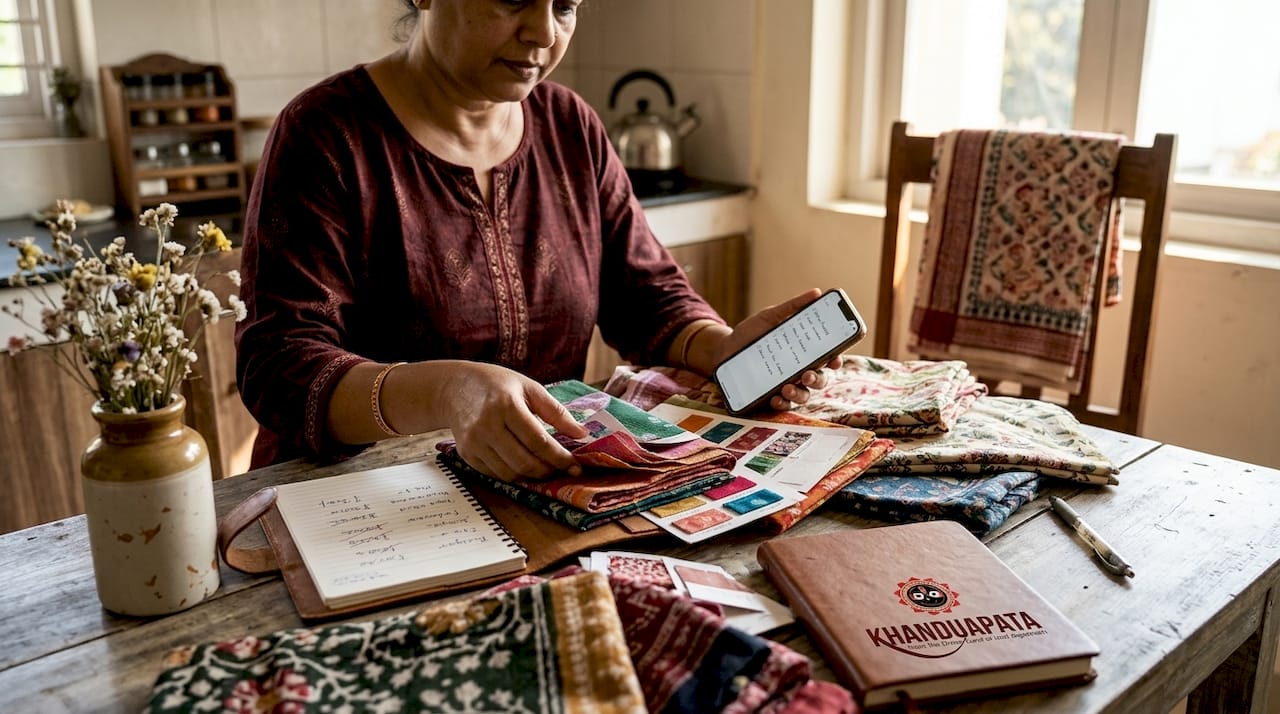
Budget considerations shape your options significantly. Handwoven sarees represent substantial investments, with prices ranging from affordable cotton varieties to premium silk masterpieces. Establish a realistic budget that reflects the saree’s intended use and frequency. Remember that quality handloom pieces often appreciate in value and can be passed down as heirlooms, making them worthwhile long-term investments.
Sustainable shopping practices benefit both artisans and the environment. Purchasing directly from weaving cooperatives or ethical retailers ensures fair compensation for craftspeople. Many traditional weaving communities face economic challenges, and your conscious choices provide vital support. Look for certifications or transparent sourcing information that confirms authentic handloom origins and ethical production practices. Artisan support in saree shopping strengthens cultural preservation while promoting responsible consumption.
Evaluate your personal style preferences alongside traditional elements. Consider which colors complement your complexion and existing wardrobe. Assess whether you prefer bold, statement-making designs or subtle, understated elegance. Think about the draping styles you find most comfortable and flattering. Some saree types work better with specific draping techniques, so alignment between fabric characteristics and your preferred draping method enhances both appearance and comfort.
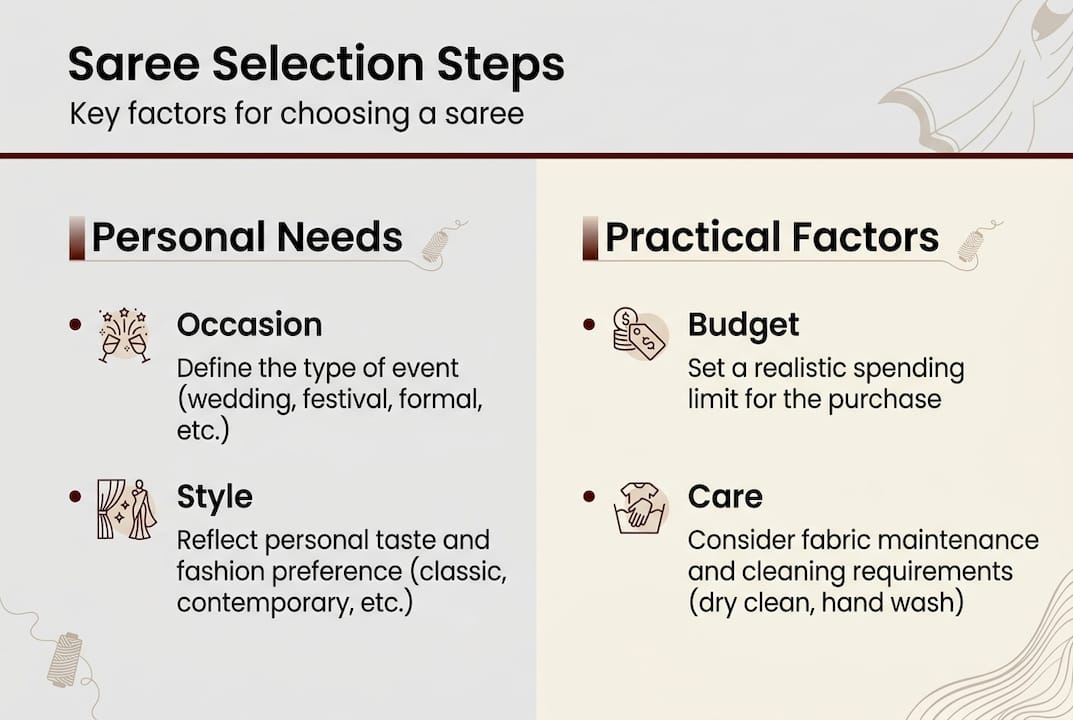
Pro Tip: Create a checklist of must-have features based on your lifestyle, body type, and cultural requirements before you start shopping to avoid impulse purchases that don’t align with your actual needs.
Step-by-step traditional saree selection process
Following a structured approach transforms the potentially overwhelming selection process into a manageable, enjoyable experience. This systematic workflow helps you make informed decisions while avoiding common pitfalls.
-
Research saree types and regional specialties that match your requirements. Study the characteristics of different weaves, understand regional variations, and identify which styles align with your occasion and preferences. Online resources, artisan interviews, and textile museums provide valuable educational foundations.
-
Visit trusted retailers or artisan workshops where you can physically examine sarees. Touch the fabric to assess its texture, weight, and drape quality. Hold it up to natural light to evaluate color accuracy and weaving fineness. Quality handloom textiles feel substantial yet supple, with consistent thread tension throughout.
-
Match colors and designs to your personal style and the intended occasion. Consider how the saree’s palette works with your complexion and existing jewelry. Evaluate whether the motif density and border width suit your body proportions. Traditional designs carry symbolic meanings, so understanding these cultural elements adds depth to your selection.
-
Verify craftsmanship quality through detailed inspection. Examine the weave for uniformity and tightness. Check that borders and pallus show precise alignment and intricate detailing. Look for natural dye richness and color fastness. Authentic handloom pieces display slight irregularities that prove human craftsmanship rather than machine production.
-
Confirm the price aligns with your budget and the saree’s quality level. Compare similar pieces from multiple sources to understand fair market values. Remember that exceptional craftsmanship justifies premium pricing, but inflated costs don’t always guarantee superior quality.
-
Purchase from reputable sources with clear return policies and authenticity guarantees. Established retailers and certified cooperatives provide documentation proving handloom origins. A structured selection approach helps avoid common mistakes and ensures cultural and quality alignment, protecting your investment and supporting genuine artisans.
Common pitfalls include rushing decisions under sales pressure, prioritizing price over quality, ignoring fabric care requirements, and failing to verify authenticity. Take your time, ask detailed questions about production methods, and trust your instincts when something feels inconsistent with claimed origins.
| Feature | Silk Sarees | Cotton Sarees |
|---|---|---|
| Best Season | Cool weather, indoor events | Hot, humid conditions |
| Drape Quality | Structured, holds pleats firmly | Soft, flowing, relaxed |
| Maintenance | Dry clean only, delicate handling | Machine or hand washable |
| Occasion Suitability | Formal ceremonies, weddings | Daily wear, casual gatherings |
| Price Range | Higher investment | More affordable |
| Longevity | Decades with proper care | Very durable, improves with age |
Pro Tip: Bring a trusted friend or family member who understands traditional textiles to provide objective feedback and help you evaluate options without emotional bias.
Verifying authenticity and caring for your traditional saree
Authentic handwoven sarees display distinctive characteristics that separate them from machine-made imitations. Examine the reverse side of the fabric, where handloom pieces show thread ends and slight irregularities that machines cannot replicate. The selvage edges on handwoven textiles appear slightly uneven, while machine-made versions show perfect uniformity. Natural dyes create subtle color variations and depth that synthetic dyes cannot match. The fabric feels cooler to touch and drapes more naturally due to the looser weave structure inherent in handloom production.
Quality indicators extend beyond basic weave inspection. Check thread count and fineness, particularly in silk sarees where higher counts indicate superior quality. Examine embroidery or brocade work for tight, secure stitching with no loose threads. Test color fastness by gently rubbing a damp white cloth on an inconspicuous area. Quality dyes should not transfer significantly. Zari work in premium sarees uses real gold or silver threads, which you can verify through slight weight and metallic luster that doesn’t tarnish.
Proper washing techniques vary by fabric type and preserve your saree’s beauty for generations. Cotton sarees tolerate gentle machine washing or hand washing with mild detergent in cold water. Avoid harsh scrubbing or wringing, which damages fibers and distorts the weave. Silk sarees require professional dry cleaning to maintain their luster and prevent shrinkage. Never wash silk at home unless specifically labeled as washable silk. Rinse all sarees thoroughly to remove detergent residue, which can attract dirt and cause discoloration over time.
Storage practices significantly impact longevity. Fold sarees loosely along different lines each time to prevent permanent creases. Wrap them in clean, breathable cotton cloth rather than plastic, which traps moisture and promotes mildew growth. Store in cool, dry spaces away from direct sunlight, which fades colors and weakens fibers. Add neem leaves or silica gel packets to prevent pest damage. Refold stored sarees every few months to redistribute stress points and maintain fabric integrity. Proper saree maintenance preserves handloom quality and extends lifespan, ensuring your investment remains beautiful for years.
| Care Aspect | Silk Sarees | Cotton Sarees | Blended Fabrics |
|---|---|---|---|
| Washing Method | Dry clean only | Hand or gentle machine wash | Follow silk guidelines |
| Drying | Flat dry in shade | Line dry in shade | Flat dry in shade |
| Ironing | Low heat, use cloth barrier | Medium heat while slightly damp | Low to medium heat |
| Storage Duration | Refold every 2-3 months | Refold every 3-4 months | Refold every 2-3 months |
| Stain Treatment | Professional cleaning immediately | Spot clean with mild soap | Professional consultation |
Handle your sarees with clean, dry hands to prevent oil transfer and staining. Avoid spraying perfume directly on the fabric, as alcohol content can damage fibers and cause discoloration. After wearing, air out sarees for several hours before storing to release absorbed moisture and odors. These simple practices maintain freshness and reduce the frequency of deep cleaning required.
Explore exquisite traditional sarees at Khanduapata
Now that you understand the selection process and care requirements, you’re ready to explore authentic handwoven sarees that embody India’s textile heritage. Khanduapata offers carefully curated collections that honor traditional craftsmanship while meeting contemporary style preferences. Our deep brown cotton sarees provide breathable comfort perfect for daily wear and casual gatherings, featuring handloom quality at accessible prices. For formal occasions, our chanderi silk sarees showcase intricate embroidery and floral designs that capture timeless elegance.
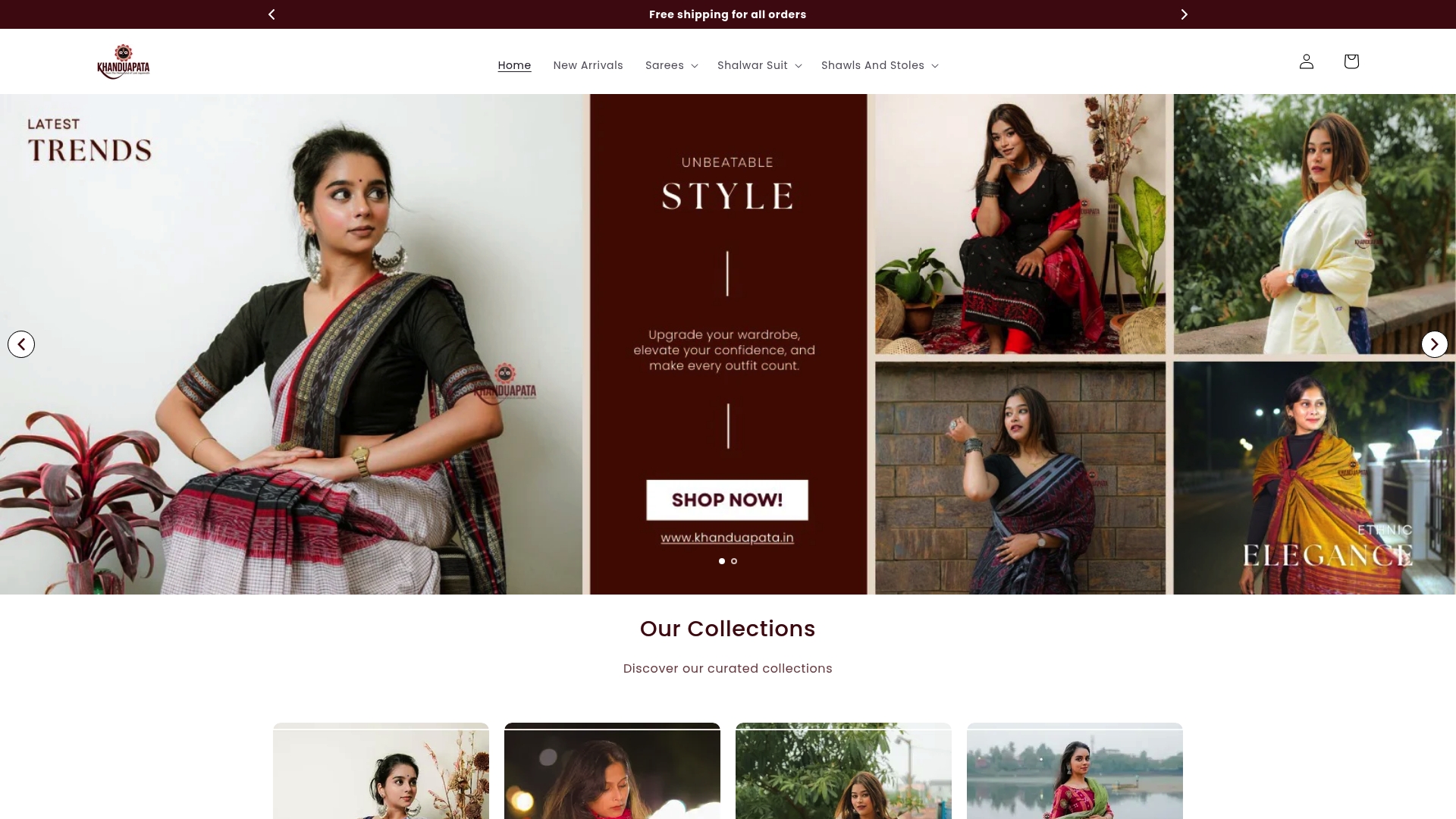
Every piece in our traditional saree collection supports artisan communities and preserves endangered weaving techniques. We verify authenticity and quality for each saree, ensuring you receive genuine handloom textiles that reflect the cultural significance you seek. Browse our selections with confidence, knowing that your purchase contributes to sustainable practices and cultural preservation.
FAQ
Which saree fabric is best for summer festivals?
Cotton sarees are ideal for summer festivals because they offer excellent breathability and moisture absorption, keeping you comfortable in hot, humid conditions. Pure cotton handlooms from regions like Bengal and Odisha combine cultural authenticity with practical comfort. The natural fibers allow air circulation while maintaining an elegant drape throughout long festival celebrations. Lightweight cotton blends also work well if you want a slightly more structured appearance. Explore cotton sarees for summer to find options that balance tradition with seasonal appropriateness.
How can I verify a saree is truly handwoven?
Check the reverse side of the fabric for thread ends and slight irregularities that machines cannot replicate. Examine selvage edges, which appear slightly uneven in genuine handloom pieces versus perfectly uniform in machine-made versions. Look for natural dye variations and subtle color depth that synthetic processes cannot achieve. Request documentation or certifications from sellers that confirm handloom origins and artisan production. Visit authenticity verification steps for detailed guidance on identifying genuine handwoven textiles and avoiding common imitations.
What are the key maintenance tips to preserve a silk saree?
Store silk sarees in breathable cotton cloth covers rather than plastic to prevent moisture buildup and mildew growth. Keep them in cool, dry spaces away from direct sunlight, which fades colors and weakens delicate fibers. Always use professional dry cleaning services rather than attempting home washing, as water and detergents can damage silk’s natural proteins and cause irreversible shrinkage. Refold stored silk sarees every two to three months along different lines to prevent permanent creasing. Learn comprehensive silk saree care tips to ensure your investment pieces remain beautiful for generations.