What makes a saree luxurious: a guide for enthusiasts
Many assume all sarees offer similar beauty and value, but not all sarees are created equal in luxury. The difference lies in intricate craftsmanship, premium materials, and deep cultural heritage that transforms fabric into wearable art. This article explores the defining factors that elevate a saree from ordinary to extraordinary, helping you recognize genuine luxury in handwoven textiles. Whether you’re building a collection or seeking your first investment piece, understanding these elements ensures you choose sarees that embody both elegance and lasting cultural significance.
Table of Contents
- Key takeaways
- Defining luxury in sarees: craftsmanship, fabric, and heritage
- Luxury fabrics and their impact on saree elegance
- Intricate handwork and design: elevating saree luxury
- Investing in and caring for luxury sarees: a collector’s guide
- Explore luxury sarees at Khanduapata
- Frequently asked questions
Key Takeaways
| Point | Details |
|---|---|
| Craftsmanship heritage | True luxury begins with handwoven craftsmanship and centuries of artisanal heritage, which produces subtle irregularities and unique character. |
| Premium materials | Natural fibers like silk and handspun cotton elevate wear with breathable texture and a drape that synthetic fabrics cannot replicate. |
| Regional designs | Regional weaving styles such as Banarasi and Kanjeevaram add authenticity and scarcity through distinct artistic traditions. |
| Cultural longevity | Owning a luxury saree creates a lasting cultural connection and an heirloom that endures beyond fashion trends. |
Defining luxury in sarees: craftsmanship, fabric, and heritage
True luxury begins with the foundation of handwoven craftsmanship that preserves centuries of artisanal heritage. Unlike machine-made alternatives, handloom sarees carry the subtle irregularities and unique character that only human hands can create. Each thread placement represents deliberate artistic choices passed down through generations of weavers.
Natural fibers form the backbone of luxury textiles, with silk and fine cotton leading the category. These materials elevate the wearing experience through their breathable texture, natural sheen, and comfort against skin. The drape of pure silk creates fluid movement that synthetic fabrics simply cannot replicate, while handspun cotton offers a refined softness that improves with each wear.
Regional weaving styles add another dimension of exclusivity to luxury sarees. A Banarasi weave from Varanasi carries different cultural significance than a Kanjeevaram from Tamil Nadu, each reflecting the artistic traditions of its origin. These geographic distinctions create scarcity and authenticity, as genuine regional sarees can only come from specific artisan communities.
Durability marks another hallmark of true luxury, as quality handloom sarees often outlast their owners when properly maintained. The tight weave structure and natural dye processes create textiles that resist fading and wear. This longevity transforms a saree from a garment into an heirloom, carrying stories across generations.
The handloom process intensity directly correlates with prestige and price point. A single luxury saree may require weeks or months of dedicated weaving time, with master artisans working on complex patterns that demand absolute precision. This labor investment explains why luxury sarees command higher prices than mass-produced alternatives.
Key indicators of handwoven luxury include:
- Slight variations in thread tension creating organic texture
- Visible selvage edges showing continuous warp threads
- Natural fiber content verified through burn tests
- Regional authenticity marks or artisan signatures
- Complex patterns requiring advanced weaving skills
Pro Tip: Examine the saree’s reverse side closely. In genuine handwoven luxury pieces, the back pattern mirrors the front with minimal loose threads, indicating skilled craftsmanship and quality control throughout the weaving process.
Luxury fabrics and their impact on saree elegance
Silk varieties represent the pinnacle of saree luxury, with distinct regional types offering unique characteristics. Banarasi silk from Varanasi features intricate brocade work with gold and silver threads, creating opulent formal wear. Kanjeevaram silk from South India showcases bold temple borders and rich jewel tones, known for its substantial weight and durability. Mysore silk offers a lighter alternative with subtle sheen, perfect for draping comfort in warmer climates.
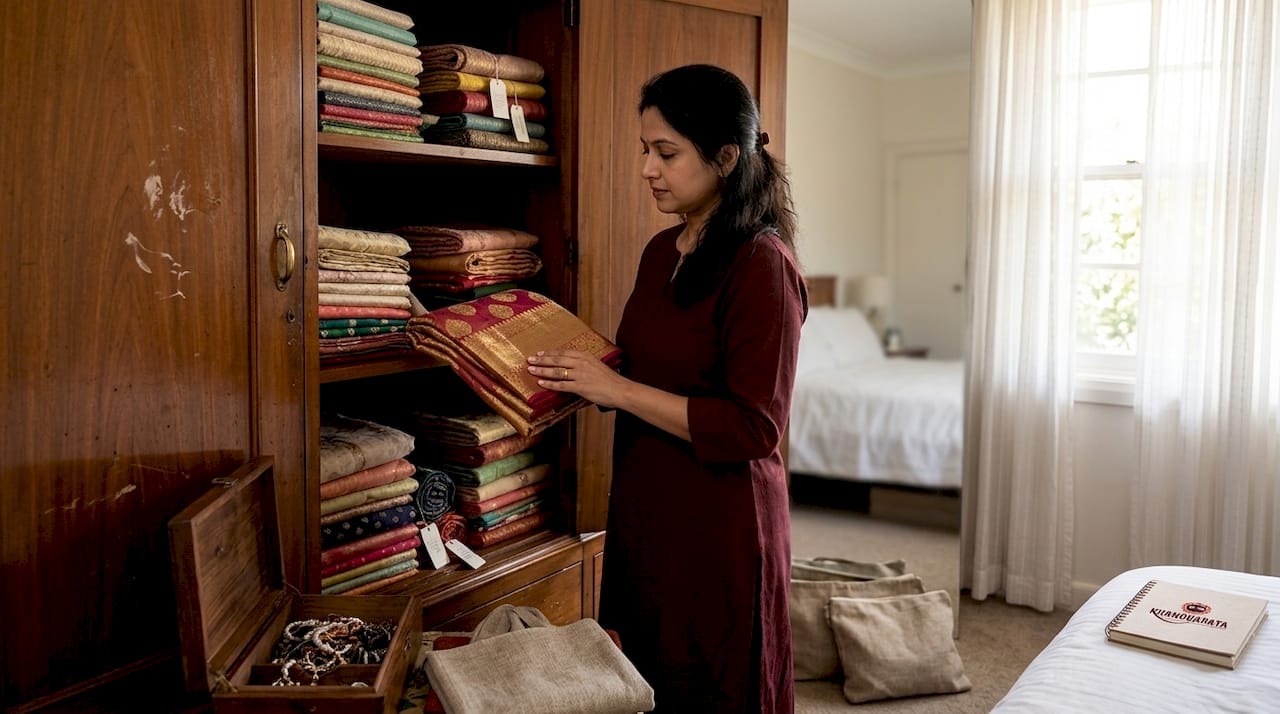
Chanderi cotton blends refined softness with heritage motifs, bridging the gap between casual and formal wear. This fabric originates from Madhya Pradesh, where weavers combine cotton with silk threads to create translucent beauty. The resulting textile drapes beautifully while remaining breathable, making it ideal for extended wear during celebrations.
Fabric choice profoundly influences saree weight, comfort, and memorable aesthetics. Heavy silk sarees create dramatic presence and hold pleats firmly, suited for weddings and grand occasions. Lighter fabrics like Chanderi or fine cotton allow graceful movement and all-day comfort, better for daily elegance or summer events.
| Fabric Type | Origin | Texture | Best Use Case |
|---|---|---|---|
| Banarasi Silk | Varanasi | Heavy, brocaded | Weddings, formal ceremonies |
| Kanjeevaram Silk | Tamil Nadu | Thick, lustrous | Traditional celebrations |
| Mysore Silk | Karnataka | Medium, soft sheen | Festive occasions |
| Chanderi | Madhya Pradesh | Light, translucent | Daytime events, summer wear |
| Tussar Silk | Jharkhand | Textured, natural gold | Contemporary elegance |
The weaving technique applied to these fabrics further enhances their luxury status. Jacquard looms enable complex pattern creation, while traditional pit looms produce the irregular beauty that collectors prize. Understanding these distinctions helps you appreciate why certain sarees command premium prices.
Color fastness in luxury fabrics comes from natural dye processes using vegetable and mineral sources. These traditional methods create depth and richness that synthetic dyes cannot match. The colors evolve gracefully over time rather than fading harshly, adding character to aged sarees.
Fabric authenticity verification requires tactile examination and knowledge. Pure silk produces a distinctive rustle when handled, while cotton feels cool and absorbs moisture readily. Burn tests reveal fiber content, as natural materials smell like burning hair and leave soft ash, unlike synthetic fibers that melt and smell chemical.
Key fabric evaluation points include:
- Thread count density affecting durability
- Natural fiber certification or artisan guarantees
- Regional weaving technique authenticity
- Dye quality and color consistency
- Overall fabric hand feel and drape
Pro Tip: When selecting a luxury saree, ask specifically about the fabric origin and weaving method used. Reputable sellers provide detailed provenance information, and this transparency indicates genuine quality and fair artisan compensation.
Intricate handwork and design: elevating saree luxury
Hand embroidery techniques transform quality fabric into wearable art, with each stitch representing hours of skilled labor. Zardozi work uses metallic threads to create raised patterns that catch light dramatically, traditionally adorning royal garments. Chikankari embroidery from Lucknow features delicate white threadwork on pastel fabrics, creating subtle elegance through shadow work and surface stitches. Mirror work embeds small reflective pieces into fabric, adding sparkle and cultural authenticity to traditional designs.
Traditional motifs carry symbolic significance that connects wearers to regional heritage and spiritual beliefs. Paisley patterns represent fertility and life, while lotus designs symbolize purity and divine beauty. Temple borders feature architectural elements from sacred structures, bringing religious reverence to formal occasions. These symbols elevate sarees beyond fashion into cultural storytelling.
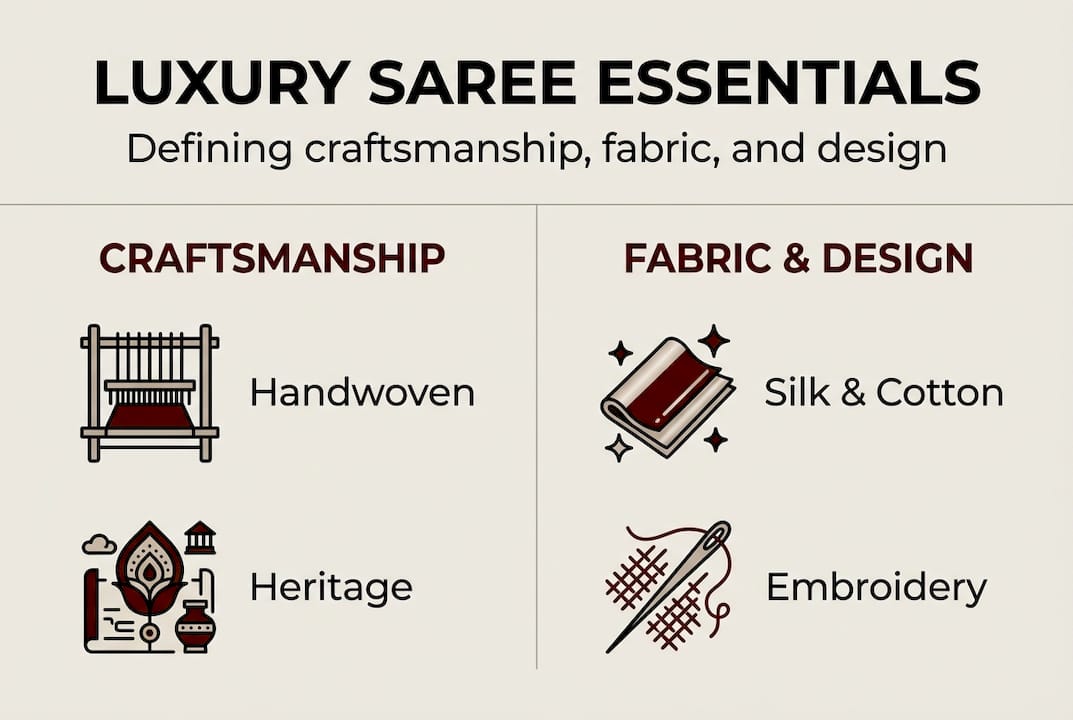
Design complexity directly correlates with artisan time investment and resulting exclusivity. A simple border may require days to complete, while an all-over embroidered saree can take months of concentrated work. This labor intensity naturally limits production quantities, ensuring that heavily embellished pieces remain rare and valuable.
Authenticity evaluation requires examining several quality indicators:
- Stitch consistency showing human variation rather than machine uniformity
- Thread quality with natural sheen and proper tension
- Design symmetry balanced with organic irregularities
- Secure embellishment attachment preventing loose elements
- Reverse side finishing indicating craftsmanship care
Evaluating handwork authenticity involves systematic inspection:
- Examine embroidery from both sides to verify hand stitching rather than machine application
- Check thread ends for proper securing without visible knots on the front surface
- Assess pattern alignment and spacing for slight variations indicating manual work
- Test embellishments gently to ensure secure attachment through multiple anchor points
- Look for artisan signatures or workshop marks validating origin and craftsperson
Preserving embroidered luxury sarees requires specific care approaches that protect delicate handwork. Store sarees flat or loosely rolled rather than tightly folded to prevent embroidery crushing. Avoid direct contact between embellished areas and other fabrics that might snag threads. Keep these pieces away from moisture and pests using natural repellents like neem leaves.
Cleaning embroidered sarees demands professional expertise or extremely gentle hand washing. Never machine wash pieces with metallic threads or mirror work, as agitation damages embellishments irreparably. Dry cleaning works for most embroidered silks, but verify the cleaner’s experience with delicate handwork before entrusting valuable pieces.
Handwork preservation tips:
- Air embroidered sarees in shade every few months to prevent musty odors
- Use acid-free tissue paper between folds to cushion embellishments
- Avoid spraying perfume directly on embroidered areas
- Store in breathable cotton covers rather than plastic
- Handle by unembellished sections to minimize stress on decorated areas
The investment value of heavily embroidered sarees appreciates over time as handwork becomes increasingly rare. Modern production pressures push many workshops toward faster machine techniques, making authentic hand embroidery a diminishing art. Collectors recognize this scarcity, driving demand for genuine handworked pieces that preserve traditional techniques.
Investing in and caring for luxury sarees: a collector’s guide
Researching provenance and craftsmanship before purchase protects you from counterfeit luxury sarees flooding the market. Request detailed information about the weaving location, artisan community, and production timeline. Genuine sellers provide transparent answers and often share artisan stories that add emotional value to your purchase.
Investing in handwoven traditional sarees offers lasting cultural value that appreciates beyond monetary measures. These textiles connect you to living heritage while supporting artisan livelihoods and preserving endangered craft traditions. Unlike mass-produced fashion that loses relevance quickly, quality handloom sarees remain timeless across decades.
Proper storage, cleaning, and preservation extend luxury saree lifespan significantly:
- Clean sarees before storage to remove body oils and stains that set over time
- Fold along different lines periodically to prevent permanent creases in fabric
- Wrap each saree individually in unbleached muslin or cotton to allow breathing
- Store in a cool, dark, dry location away from direct sunlight that fades colors
- Refold and air out your collection every three to six months
- Use natural pest deterrents like dried neem leaves rather than chemical mothballs
- Keep detailed records of purchase information and care history for each piece
| Maintenance Method | Frequency | Primary Benefit | Best For |
|---|---|---|---|
| Professional dry cleaning | After each wear or annually | Deep cleaning without water damage | Silk sarees with embellishments |
| Gentle hand washing | As needed for cotton | Removes dirt while preserving fabric | Plain cotton or light embroidery |
| Airing in shade | Every 3-6 months | Prevents musty odors and moisture | All saree types |
| Refolding | Every 6 months | Avoids permanent crease lines | Long-term storage pieces |
| Inspection | Annually | Early detection of pest or moisture damage | Entire collection |
Documenting your collection adds both practical and sentimental value. Photograph each saree with details about origin, purchase date, and special occasions when worn. This record helps with insurance claims if needed and creates a legacy document for future generations inheriting your collection.
Understanding market value helps make informed investment decisions. Rare regional sarees from diminishing craft traditions command premium prices and appreciate steadily. Limited edition pieces from master weavers become increasingly valuable as their work gains recognition. However, buy primarily for personal enjoyment rather than pure financial speculation.
Authenticity certificates and artisan tags should accompany significant purchases. These documents verify origin and provide assurance about ethical production practices. Keep all paperwork with your collection records for future reference or resale.
Building relationships with trusted sellers ensures access to genuine luxury pieces and insider knowledge about upcoming collections. Specialized boutiques and heritage brands often reserve exceptional sarees for loyal customers before public release. These connections also provide valuable guidance about care and styling.
Pro Tip: Regular airing and gentle handling prevent most common damage to luxury sarees. Simply unfolding your collection in a shaded area every few months allows fabric to relax and releases trapped moisture that causes mildew, extending your sarees’ beauty for generations without expensive interventions.
Explore luxury sarees at Khanduapata
Now that you understand what elevates a saree to luxury status, discover authentic pieces that embody these principles. Khanduapata offers handcrafted sarees emphasizing the craftsmanship and heritage discussed throughout this guide, with each piece reflecting our family’s devotion to Lord Jagannath’s sacred weaving traditions.
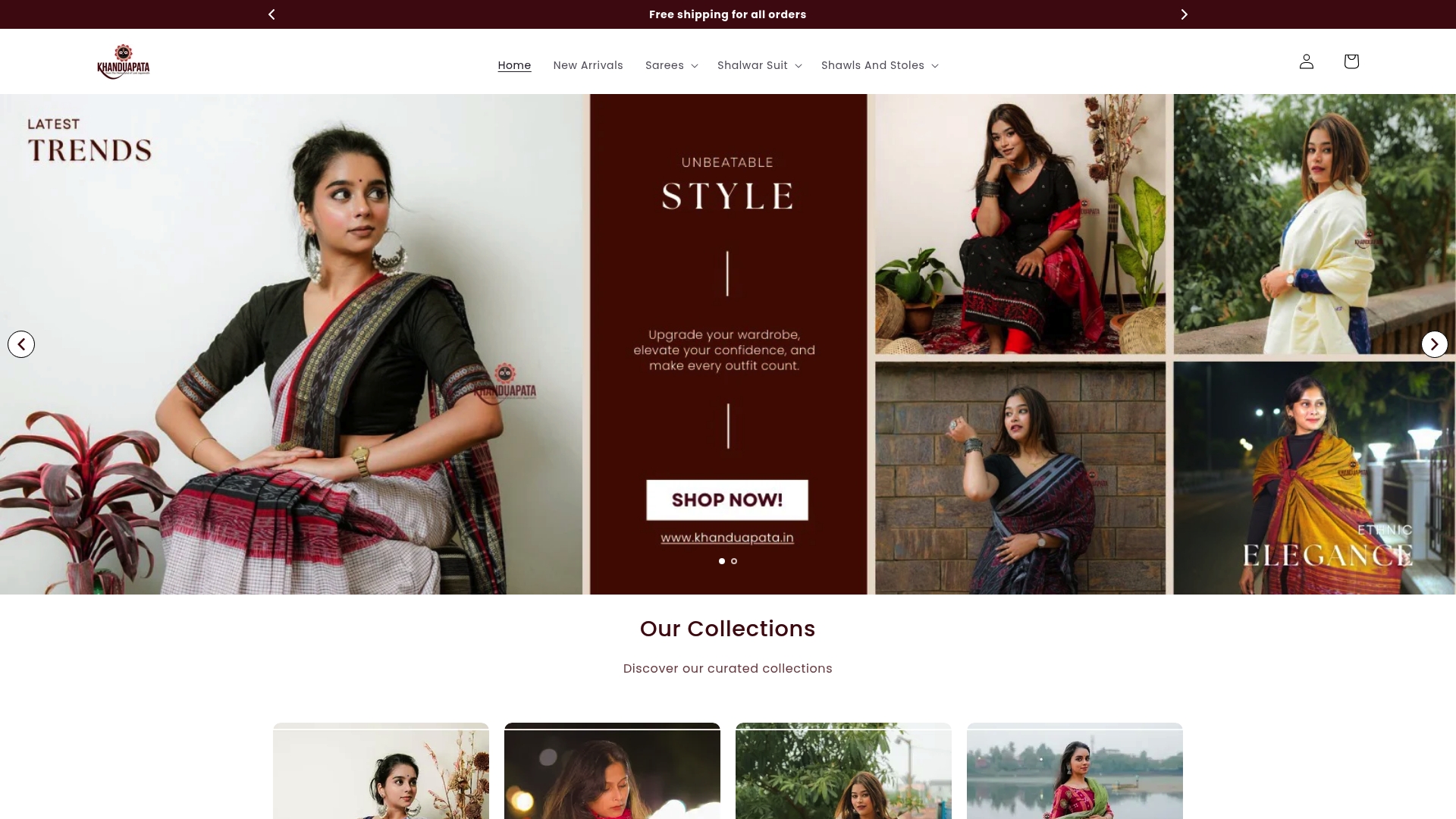
Our exclusive collections feature premium fabrics and intricate handwork created by skilled artisans who preserve centuries-old techniques. Browse distinctive pieces like our aesthetic plant design cotton saree showcasing botanical motifs in breathable handwoven cotton, or explore the tribal design Chanderi silk saree combining embroidery with traditional patterns. Each saree in the Khanduapata collection represents our commitment to preserving handloom artistry while meeting contemporary elegance standards, ideal for collectors seeking meaningful cultural connections through their wardrobe.
Frequently asked questions
What is a luxurious saree?
A luxurious saree is defined by superior fabric quality, meticulous handwoven craftsmanship, and deep cultural significance rooted in regional traditions. Luxury encompasses exclusivity achieved through limited handwork production and artisan skill investment, rather than mass manufacturing. The value extends beyond price to include emotional connection and heritage preservation, as investing in handmade sarees means participating in living cultural traditions. True luxury sarees become heirlooms that carry stories across generations while maintaining their beauty and relevance.
How can I identify a genuine handwoven luxury saree?
Look for subtle texture variations and slight irregularities that indicate human weaving rather than machine precision. Authentic handwoven sarees often include certification tags, artisan signatures, or workshop marks validating their origin and craftsperson. High-quality natural dyes create depth and color fastness, while pure silk or cotton threads show characteristic sheen and feel. Examine the selvage edges for continuous warp threads and check the reverse side for clean finishing that mirrors front patterns, both indicating skilled handloom work.
What makes hand embroidery important in luxury sarees?
Hand embroidery adds unique artistic value through labor-intensive techniques that machines cannot replicate with the same character. Traditional embroidery methods like zardozi, chikankari, and mirror work connect sarees to specific cultural heritage and regional artisan communities. This handwork elevates sarees from mere clothing into wearable art that tells stories through symbolic motifs and intricate patterns. The time investment required for quality embroidery naturally limits production, creating exclusivity that collectors value alongside the visual beauty.
How should I care for a luxurious saree?
Store luxury sarees in a cool, dry place away from direct sunlight that causes color fading and fabric weakening. Dry clean silk sarees professionally or hand wash cotton pieces gently using mild soap, avoiding harsh chemicals that damage natural fibers and embellishments. Air out your collection periodically in shaded areas to prevent musty odors and moisture buildup that leads to mildew. Refold along different lines every six months to avoid permanent creases, and use acid-free tissue paper between folds to cushion delicate embroidery work.