Traditional fabrics checklist: essential guide 2026
Choosing authentic traditional fabrics in India can feel overwhelming when you’re surrounded by countless options claiming heritage and quality. Whether you’re a fashion enthusiast drawn to handwoven textiles or a sustainable buyer supporting artisan communities, knowing what to look for makes all the difference. This checklist breaks down the essential criteria you need to identify genuine, quality traditional fabrics with confidence. You’ll discover practical evaluation methods, popular fabric types, and comparison insights that transform your shopping experience from guesswork into informed decision making.
Table of Contents
- Key takeaways
- Criteria to evaluate traditional fabrics
- Popular traditional fabrics on the checklist
- Comparing traditional fabrics: a checklist summary
- Explore authentic traditional fabrics at Khanduapata
- FAQ
Key Takeaways
| Point | Details |
|---|---|
| Handwoven authenticity cues | Identify fiber type, weave quality, origin markers, and sustainability practices to confirm a piece is genuinely traditional. |
| Natural fibers emphasized | Check fiber content for 100 percent natural materials or clearly labeled blends. |
| Weave density check | Gently stretch fabric to assess weave tightness and consistency. |
| Origin markers validation | Look for certification tags, artisan labels, or regional authentication marks. |
| Sustainable buying benefits | Buying authentic handlooms supports artisan families and preserves weaving traditions. |
Criteria to evaluate traditional fabrics
Understanding the fundamental characteristics of traditional fabrics gives you the foundation to spot quality and authenticity. Understanding fabric fiber and weave is vital to identify authentic traditional textiles, and this knowledge transforms how you assess every piece you encounter.
Natural fibers form the backbone of genuine traditional fabrics. Cotton provides breathability and comfort, making it ideal for everyday wear in India’s climate. Silk brings luxurious texture and natural sheen, often reserved for special occasions and ceremonial garments. These fibers carry the properties that synthetic alternatives simply cannot replicate, from moisture absorption to temperature regulation.
Weave techniques tell the story of regional craftsmanship. Each area of India developed distinctive patterns and methods over centuries. Tight, consistent weaving indicates skilled hands and quality construction. You can spot handloom work by slight natural variations that machine production eliminates. Run your fingers across the fabric to feel texture depth and weight distribution.
Authenticity markers separate genuine pieces from mass produced imitations. Look for hallmark tags that certify handloom origin. Many artisans sign their work or include regional identifiers woven into borders. Texture should feel substantial without stiffness, and colors from natural dyes often show subtle depth that chemical alternatives lack.
Sustainability considerations extend beyond environmental impact to cultural preservation. When you buy authentic Indian handlooms, you directly support artisan families maintaining traditional skills. Eco-friendly production methods using natural dyes and minimal water consumption align with conscious consumer values. These practices ensure weaving traditions survive for future generations.
Pro Tip: Hold fabric up to natural light and examine the weave density. Quality traditional textiles show consistent thread spacing with minimal gaps, and the fabric should feel substantial in your hand without excessive stiffness.
Essential evaluation criteria:
- Check fiber content for 100% natural materials or clearly labeled blends
- Examine weave tightness by stretching fabric gently between your hands
- Search for certification tags, artisan labels, or regional authentication marks
- Assess color depth and consistency as indicators of dye quality
- Verify fabric weight matches the intended use and seasonal appropriateness
- Confirm seller transparency about artisan sources and production methods
Popular traditional fabrics on the checklist
Familiarizing yourself with specific fabric types helps you recognize quality when shopping. Each traditional textile carries unique characteristics shaped by regional techniques and cultural significance. Handwoven cotton dress fabrics carry a legacy of 4.3 million artisans across India, representing an enormous cultural and economic ecosystem.
Cotton fabrics dominate daily wear across India for good reason. Pure cotton handlooms breathe naturally and soften with each wash. Regional varieties like Khadi feature distinctive textures from hand spinning, while Mangalgiri cotton showcases bold borders and fine counts. These fabrics work beautifully for sarees, suits, and stoles throughout the year.
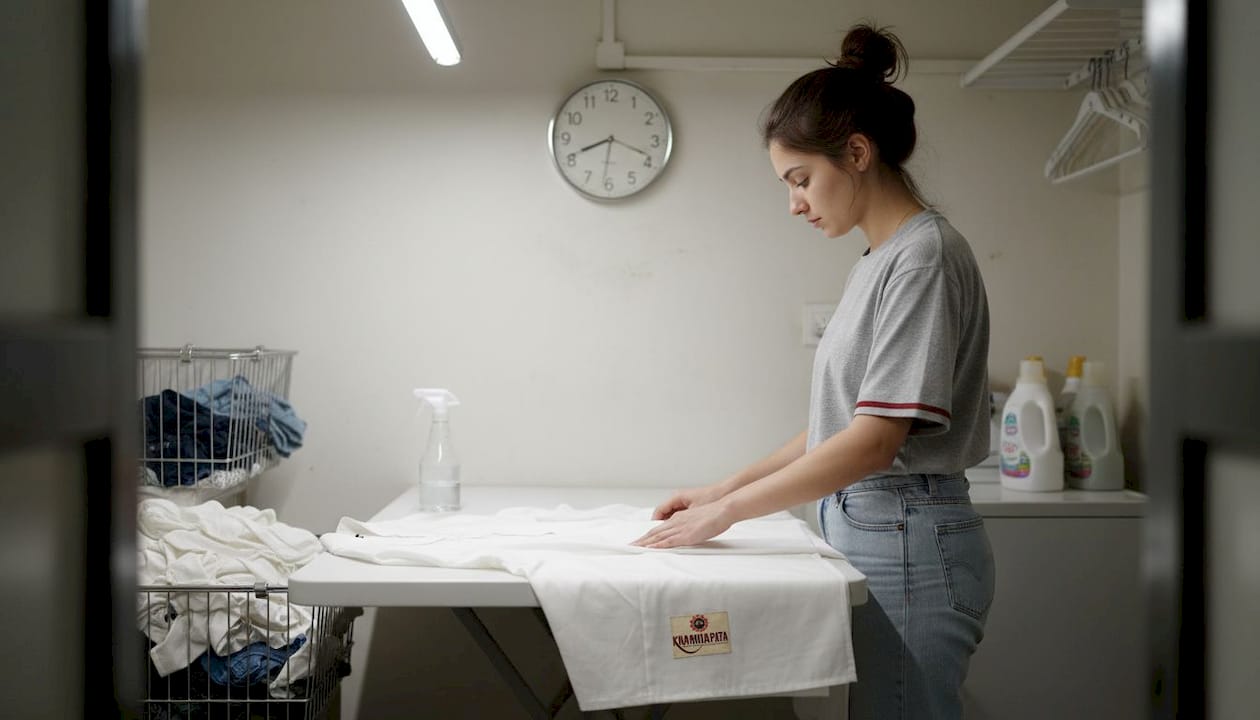
Silk textiles bring elegance to formal occasions and celebrations. Tussar silk offers a rich, textured surface with natural gold tones. Chanderi silk combines silk and cotton for lightweight drape with subtle sheen. Each silk variety reflects its region’s aesthetic, from the vibrant colors of Kanchipuram to the delicate patterns of Banarasi weaving.
| Fabric Type | Origin Region | Typical Weave | Best Uses |
|---|---|---|---|
| Khadi Cotton | Pan-India | Hand-spun plain | Everyday sarees, suits |
| Chanderi | Madhya Pradesh | Silk-cotton mix | Formal sarees, dupattas |
| Tussar Silk | Jharkhand, Bihar | Textured plain | Special occasion sarees |
| Mangalgiri | Andhra Pradesh | Fine count, bold border | Daily wear, summer garments |
| Banarasi Silk | Uttar Pradesh | Brocade, zari work | Wedding sarees, festive wear |
Regional handlooms express local identity through pattern and technique. Ikat fabrics feature resist-dyed threads creating geometric designs before weaving. Block-printed cottons showcase hand-carved wooden stamp artistry. Temple border sarees incorporate traditional motifs that have adorned garments for centuries.
Fabric selection considerations:
- Cotton excels for comfort and daily wear but requires more frequent washing
- Silk provides luxury and formality but needs careful maintenance and storage
- Chanderi offers versatility bridging casual and formal occasions effectively
- Regional handlooms carry cultural significance beyond aesthetic appeal
- Blended fabrics can combine benefits like silk sheen with cotton practicality
- Natural fiber fabrics improve with age when properly cared for
Pro Tip: Start your traditional fabric collection with versatile cotton pieces that suit multiple occasions, then add silk varieties as you develop care confidence and understand your style preferences.
Comparing traditional fabrics: a checklist summary
Side-by-side comparison clarifies which fabrics align with your priorities. Different textiles excel in specific areas, from durability to artisan involvement. Sustainable saree shopping supports artisan livelihoods while preserving traditional crafts, making your fabric choice an investment in cultural continuity.
Durability varies significantly across fabric types. Cotton handlooms withstand frequent washing and daily wear, often lasting decades with proper care. Silk requires gentler handling but maintains its beauty for generations when stored correctly. Understanding these differences helps you match fabrics to intended use patterns.
Care requirements influence long-term satisfaction with your purchase. Cotton fabrics tolerate machine washing on gentle cycles, though hand washing extends their life. Silk demands hand washing with mild soap and air drying away from direct sunlight. Factor maintenance effort into your decision, especially for pieces you’ll wear regularly.
| Comparison Factor | Cotton Handlooms | Silk Varieties | Blended Fabrics |
|---|---|---|---|
| Durability | Excellent for daily wear | Very good with care | Good to excellent |
| Care Difficulty | Low to moderate | Moderate to high | Moderate |
| Cost Range | Affordable to mid | Mid to premium | Affordable to mid |
| Artisan Involvement | High | Very high | High |
| Seasonal Suitability | Year-round | Cooler months preferred | Depends on blend |
| Formality Level | Casual to semi-formal | Semi-formal to formal | Versatile |
Cost considerations extend beyond initial purchase price. While silk carries higher upfront costs, its longevity and timeless appeal provide value over years. Cotton offers accessible entry points for building your collection. Investing in quality pieces from either category beats buying multiple lower-quality alternatives.
Artisan involvement reaches its peak with complex weaves and traditional techniques. Intricate Banarasi brocades require months of skilled labor. Simpler cotton handlooms still support weaving families but involve less time investment. Your purchase directly impacts these communities regardless of complexity level.
Standout fabrics by priority:
- Best for daily comfort: Khadi cotton and Mangalgiri cotton handlooms
- Best for special occasions: Banarasi silk and Kanchipuram silk sarees
- Best for versatility: Chanderi silk-cotton blends and fine cotton varieties
- Best for budget-conscious buyers: Regional cotton handlooms and simple weaves
- Best for maximum artisan impact: Complex silk brocades and intricate Ikat patterns
- Best for sustainable practices: Organic cotton and naturally dyed handlooms
Pro Tip: Prioritize artisan communities by asking sellers about weaver details and production locations. Brands that transparently share this information typically maintain stronger artisan relationships and ensure fair compensation.
Blending aesthetics with sustainability creates purchasing decisions you’ll feel good about long term. Beautiful fabrics that support traditional crafts and environmental responsibility offer satisfaction beyond visual appeal. Consider how each piece fits your values alongside your wardrobe needs.
Explore authentic traditional fabrics at Khanduapata
Now that you understand the checklist criteria for evaluating traditional fabrics, you’re ready to explore authentic options that meet these standards. Khanduapata offers a curated collection of handwoven textiles that embody the quality markers and artisan support principles outlined in this guide.
Our maroon brown unstitched cotton suit exemplifies the cotton handloom quality discussed earlier, featuring tight weaves and natural fiber comfort. For those seeking silk elegance, our chanderi silk saree collection showcases the versatile blend of silk sheen and cotton practicality.
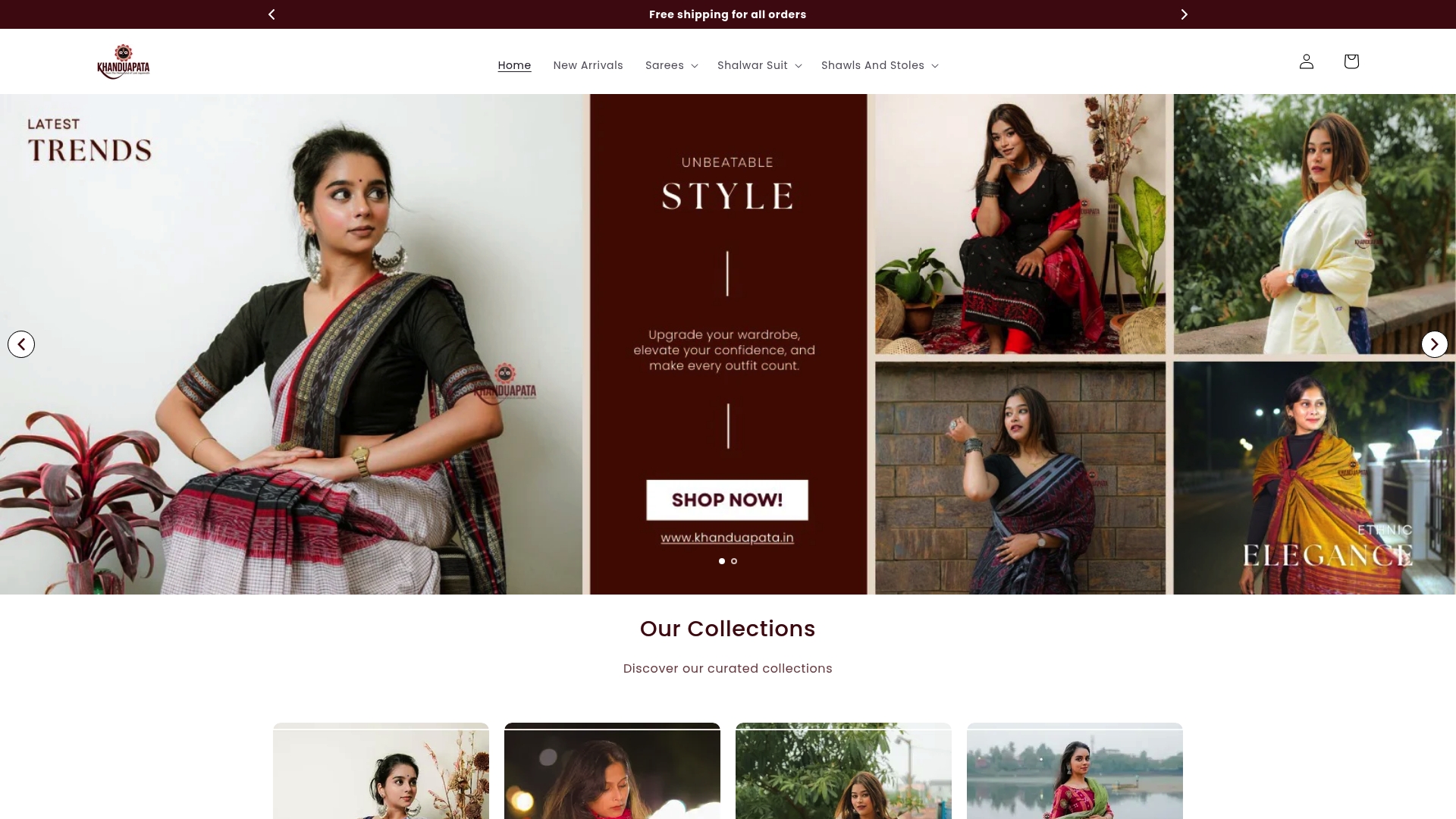
Every piece in our collection comes with transparent information about its origin, weave technique, and the artisan community behind it. We maintain direct relationships with weavers across India, ensuring fair compensation and preserving traditional techniques. When you shop with us, you’re not just acquiring beautiful textiles but actively participating in cultural heritage preservation. Visit the Khanduapata online store to explore our full range of handwoven sarees, suits, stoles, and shawls that pass every checklist criterion with authenticity.
FAQ
What is the best way to maintain traditional Indian fabrics?
Gentle hand washing with mild soap preserves fabric integrity better than machine washing for most traditional textiles. Air dry away from direct sunlight to prevent color fading, and store in breathable cotton bags rather than plastic. For comprehensive guidance on preserving your handwoven pieces, explore our traditional saree maintenance workflow that covers seasonal care and long-term storage strategies.
How can I verify the authenticity of a handwoven fabric?
Authentic handlooms show slight natural variations in weave tension and thread thickness that machines cannot replicate. Look for certification tags from government handloom boards or artisan cooperatives. Check fabric edges for the characteristic finish of hand weaving, which differs from machine-cut precision. Trusted vendors provide documentation about weaver communities and production locations. Learn detailed identification techniques for authentic Indian handlooms to build your verification skills.
Which traditional fabrics are most sustainable?
Cotton and handwoven silk fabrics rank highest for sustainability when sourced from artisan communities using natural dyes and traditional methods. These production processes minimize water consumption and chemical use compared to industrial textile manufacturing. Handloom weaving itself represents a low-energy, eco-friendly production method passed through generations. Discover why you should choose cotton sarees for sustainability and how your purchase decisions support environmental responsibility.
How much should I expect to pay for authentic traditional fabrics?
Authentic cotton handlooms typically range from affordable to mid-price points depending on complexity and thread count. Silk varieties command higher prices reflecting the labor-intensive production and material costs, with intricate brocades at premium levels. Fair pricing ensures artisans receive adequate compensation for their skilled work. Budget-conscious buyers can start with simpler cotton weaves and gradually add silk pieces, building a collection that balances quality with financial comfort.
Can traditional fabrics work for modern styling?
Traditional fabrics adapt beautifully to contemporary fashion when styled creatively. Pair handwoven cotton suits with modern accessories for fusion looks. Drape silk sarees in unconventional styles or use fabric lengths as statement stoles over Western outfits. The timeless quality of authentic textiles transcends trend cycles, making them versatile wardrobe investments. Many designers now incorporate traditional handlooms into modern silhouettes, proving these fabrics remain relevant across style preferences and generations.