How to style cotton sarees: comfort meets elegance
Cotton sarees are among the most practical and culturally significant garments in India. They offer breathability, durability, and a connection to traditional craftsmanship that synthetic fabrics cannot replicate. Yet many women find it difficult to balance comfort with a polished, contemporary look. The challenge is real: how do you wear a cotton saree that feels effortless for daily use but still looks intentional and stylish? This guide covers preparation, draping techniques, common mistakes, and occasion-specific styling so you can get consistent, confident results every time. Modern twists like belt drapes and fusion styling are increasingly popular among younger wearers, and this guide addresses those approaches alongside traditional methods.
Table of Contents
- What you need to style cotton sarees
- Step-by-step guide to draping and styling your cotton saree
- Troubleshooting and avoiding common styling mistakes
- Showcasing your style: Occasions and expected results
- Find your perfect cotton saree: Shop or explore
- Frequently asked questions
Key Takeaways
| Point | Details |
|---|---|
| Embrace sustainable elegance | Choosing cotton sarees and artisan products balances tradition and eco-conscious fashion. |
| Mix traditional and modern | Experiment with belt drapes, layering, and fusion accessories to showcase versatility. |
| Prep for perfect pleats | Use starch, ironing, and discreet pins to keep saree pleats neat and crisp all day. |
| Suit every occasion | Style cotton sarees differently for office, festivals, and casual or formal events. |
What you need to style cotton sarees
Successful cotton saree styling starts with the right materials and preparation. Rushing into draping without the correct tools leads to uneven pleats, slipping fabric, and accessories that clash with the overall look. Here is what you need before you begin.
Essential items checklist:
- Safety pins (at least 6 to 8 small ones)
- A well-fitted petticoat in a matching or neutral color
- A blouse that suits the occasion (boat neck, off-shoulder, or classic round neck)
- A belt or waist cincher for modern draping styles
- Jewelry appropriate to the event
- Footwear: heels for formal settings, flats or sandals for casual wear
- Starch spray or liquid starch for fabric crispness
Blouse selection by occasion:
| Occasion | Recommended blouse style | Neckline |
|---|---|---|
| Office | Classic fitted | Round or boat neck |
| Festival | Embroidered or printed | Deep round or square |
| Casual outing | Relaxed cotton | Off-shoulder or halter |
| Wedding guest | Silk or brocade | Deep back or keyhole |
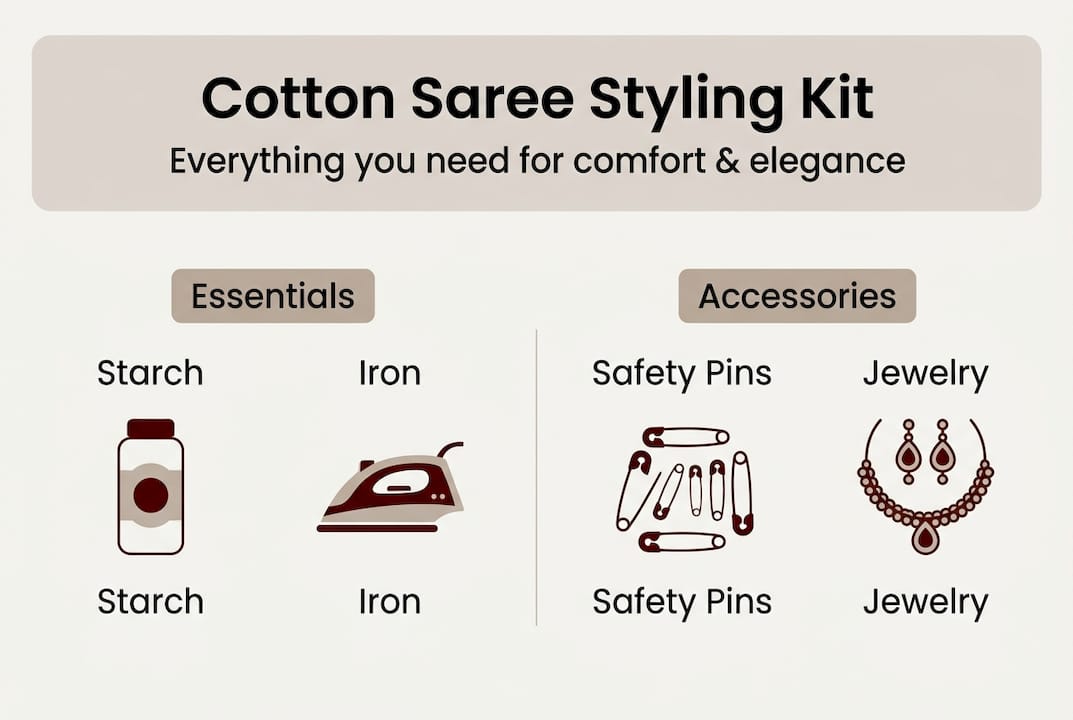
Preparing your saree with starch before draping keeps the fabric structured and the pleats sharp throughout the day. Light ironing after starching also removes wrinkles and gives the cotton a clean finish. Choosing eco-friendly and artisanal sarees supports sustainability and adds genuine value to your wardrobe beyond aesthetics. For a deeper look at fabric quality and weave types, the saree craftsmanship guide provides useful context.
Accessory choices should reflect the occasion. Traditional gold jewelry works well for festivals and ceremonies. Minimalist silver or oxidized pieces suit office and casual settings. Avoid heavy accessories with lightweight cotton sarees, as they can pull the drape out of alignment.
Pro Tip: Secure the first pleat tuck at the waistband with a small safety pin before fanning out the remaining pleats. This anchor point keeps the entire drape stable for hours without constant readjustment.
For modern saree styling tips that go beyond the basics, external references can offer visual inspiration to complement the steps below.
Step-by-step guide to draping and styling your cotton saree
With your essentials gathered, follow these steps to create both classic and modern saree looks.
Traditional draping steps:
- Tuck the plain end of the saree into the petticoat at the center front, going around the body once.
- Bring the fabric around and make 6 to 8 even pleats, each about 5 inches wide.
- Tuck the pleats into the petticoat slightly to the left of center, fanning them toward the left.
- Secure the pleats with a safety pin at the waistband.
- Drape the pallu (the decorative end) over the left shoulder, letting it fall naturally at the back.
- Pin the pallu at the shoulder to keep it in place.
Modern styling variations:
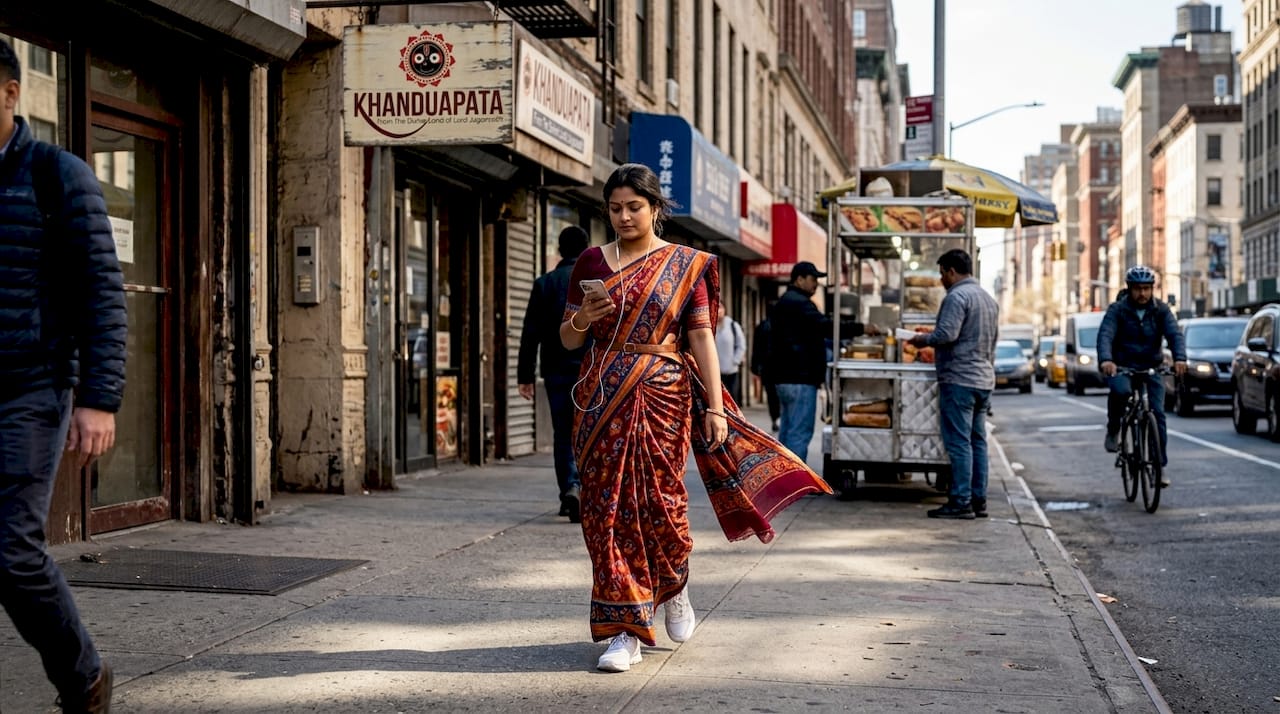
- For a belt drape, follow steps 1 through 4 above, then cinch a belt at the waist before draping the pallu.
- For a fusion look, pair the saree with a fitted shirt or crop top instead of a traditional blouse.
- Add white sneakers or block-heeled sandals for a casual, contemporary finish.
- Layer a short jacket or denim jacket over the blouse for cooler weather or travel.
Modern belt draping and fusion with sneakers are practical ways to make cotton sarees work across different settings without losing their cultural identity.
Traditional vs. modern draping comparison:
| Factor | Traditional drape | Modern drape |
|---|---|---|
| Ease of wearing | Moderate | Easy to intermediate |
| Best occasion | Festivals, ceremonies | Casual, office, travel |
| Comfort level | High | High |
| Style flair | Classic, formal | Contemporary, relaxed |
| Time to drape | 10 to 15 minutes | 8 to 12 minutes |
For specific saree designs that work well with both styles, the plant design saree looks and stripe design saree ideas offer practical starting points. The saree craftsmanship tips section also explains how weave patterns affect drape behavior.
Pro Tip: When traveling or attending outdoor events, layer a lightweight scarf or stole over the pallu. It adds warmth, covers the shoulder pin, and gives the look a layered, intentional finish.
Troubleshooting and avoiding common styling mistakes
Even with all preparations, it is common to encounter issues. Here is how to make your styling seamless and stress-free.
Common mistakes and solutions:
- Uneven pleats: Measure each pleat with your fingers before tucking. Use a ruler or pleat guide for consistency.
- Faded or dull fabric: Wash cotton sarees in cold water with mild detergent. Avoid direct sunlight when drying.
- Wrong accessories: Match accessory weight to fabric weight. Heavy gold sets overpower lightweight cotton.
- Bulky petticoat: Choose a slim-fit petticoat in a fabric that does not add volume under the saree.
- Slipping pallu: Use two pins at the shoulder instead of one, placed 2 inches apart for better grip.
“Many women struggle with cotton saree pleats losing shape; expert tips improve longevity and keep the drape looking fresh throughout the day.”
Care instructions matter as much as styling technique. Iron cotton sarees while slightly damp for the best results. Store them folded with tissue paper between layers to prevent crease lines from setting permanently. For guidance on making responsible fabric choices, the sustainable shopping tips resource covers both care and sourcing practices.
Pro Tip: Opt for cotton sarees with printed borders or color block designs. These patterns draw the eye away from minor pleat irregularities, making the overall look appear more polished with less effort.
Avoid over-starching, which makes the fabric stiff and uncomfortable. A light application is enough to maintain structure without restricting movement.
Showcasing your style: Occasions and expected results
Once you have mastered the technical aspects, it is time to apply your cotton saree style across different occasions.
Occasions and styling adjustments:
- Office: Choose solid or subtle print sarees. Pair with a classic blouse and minimal jewelry. Keep the pallu pinned neatly.
- Festivals: Use bold colors and traditional borders. Add gold jewelry and embroidered blouses for a festive look.
- Casual outings: Lighter colors and relaxed drapes work well. Pair with flats and a simple tote bag.
- Weddings (as a guest): Opt for richer cotton weaves or silk-cotton blends. Bold accessories and heels complete the look.
- Travel: Stick to wrinkle-resistant cotton weaves. Layer with a jacket and choose comfortable footwear.
Statistic callout: Over 80% of surveyed women prefer cotton sarees for summer occasions, citing breathability and ease of care as the primary reasons.
The expected results from consistent cotton saree styling include improved daily comfort, a reduced environmental footprint through sustainable fabric choices, and a more personalized wardrobe that reflects individual taste. Cotton saree styling offers sustainability as well as adaptability for both events and daily wear, making it a practical long-term investment.
For those interested in supporting artisan communities through their purchases, the artisan support workflow explains how buying handwoven sarees directly benefits weavers. The tree design saree ideas collection is one example of artisan-made options that work across multiple occasions. For broader event styling inspiration, visual references can help you plan looks in advance.
Find your perfect cotton saree: Shop or explore
Applying these styling techniques is straightforward when you start with a well-crafted saree. The fabric quality, weave structure, and border design all affect how the drape behaves and how long the pleats hold their shape.
At Khanduapata, the saree collections are handwoven by skilled artisans and designed to support both traditional and modern styling approaches. The plant design cotton saree works well for casual and office settings. The deep red cotton saree is a strong choice for festivals and formal occasions. The tree design saree offers a versatile print that adapts to multiple draping styles. Each piece is made with sustainable practices and supports local weaving communities.
Frequently asked questions
What are the best accessories to pair with cotton sarees?
Minimalist jewelry, belts, and comfortable footwear work well, allowing the saree’s craftsmanship to remain the focal point. Modern accessories like belts and sneakers also enhance the saree’s appeal for casual and contemporary settings.
How do I choose the right blouse for a cotton saree?
Pick blouses made from breathable fabrics with necklines suited to the occasion, such as boat neck for office wear or deep round neck for festivals. Styling with contemporary blouses adds versatility and allows the same saree to work across multiple settings.
How can I keep my cotton saree pleats crisp all day?
Use light starch before draping, iron the fabric while slightly damp, and secure pleats with discreet safety pins at the waistband. Expert tips improve pleat longevity and reduce the need for mid-day adjustments.
Are cotton sarees suitable for formal occasions?
Yes. Cotton sarees styled with bold accessories, structured blouses, and neat draping are appropriate for formal events. Cotton sarees bridge tradition and modern elegance, making them a practical choice for professional and ceremonial settings alike.