

Blouse pattern latest 2026: ethnic styles handwoven sarees
Blouse pattern latest 2026: ethnic styles handwoven sarees
Finding the perfect blouse pattern for your handwoven saree feels overwhelming when you want to honor tradition while embracing modern comfort. The latest 2026 blouse designs solve this by combining innovative cuts with cultural authenticity. This guide walks you through criteria-based selection, trending patterns, and regional styles that complement handwoven sarees beautifully while reflecting your personal style and heritage.
Table of Contents
- How To Choose The Right Blouse Pattern In 2026
- Latest Blouse Pattern Trends Of 2026
- Popular Blouse Patterns Compatible With Handwoven Sarees
- Cultural Heritage And Regional Blouse Pattern Variations
- Use-Case Mapping: Formal Vs Casual Blouse Patterns
- Sustainability And Artisan Collaboration In Blouse Pattern Sourcing
- Expert Opinions On Ethnic Blouse Fashion
- Summary Comparison And Situational Recommendations
- Explore Khanduapata's Ethnic Blouse And Saree Collections
Key takeaways
| Point | Details |
|---|---|
| Selection criteria | Fit, fabric compatibility, tradition-modern balance, occasion suitability, and sustainability guide blouse pattern choices. |
| 2026 trends | Fusion embroidery with contemporary cuts, adjustable designs, and sleeveless styles dominate ethnic fashion. |
| Popular patterns | Pochampally geometric and Odisha tie-back styles complement handwoven sarees perfectly. |
| Occasion matching | Formal wear features intricate embroidery and longer sleeves while casual favors minimal, sleeveless designs. |
| Sustainability focus | Eco-friendly fabrics and artisan collaboration increasingly influence blouse pattern preferences. |
How to choose the right blouse pattern in 2026
Selecting a blouse pattern starts with understanding your body shape and comfort needs. Every woman's proportions differ, so patterns with adjustable elements work best for achieving a flattering fit. Consider how the pattern will drape against your handwoven saree's texture and weight.
Fabric compatibility matters tremendously for creating harmonious ethnic outfits. Cotton handwoven sarees pair beautifully with breathable blouse fabrics, while silk sarees demand slightly heavier blouse materials. Your blouse pattern should echo the saree's craftsmanship without competing for attention.
Balancing traditional design with modern cuts gives you versatile wardrobe options. Classic Pochampally geometric patterns updated with contemporary necklines create fresh looks for both formal gatherings and casual events. This fusion approach respects cultural roots while meeting today's style preferences.
Occasion planning determines your pattern selection significantly. Formal events call for longer sleeves and detailed embroidery that showcase traditional craftsmanship. Casual wear benefits from simpler, sleeveless patterns offering freedom of movement and everyday comfort.
Sustainability considerations now shape ethical fashion choices. Opt for organic cotton blouses and seek artisan-sourced embroidery to support fair trade practices. These choices reduce environmental impact while preserving cultural heritage through skilled craftsmanship.
Pro Tip: Measure yourself accurately before selecting patterns, focusing on bust, waist, and shoulder width to ensure the best fit with adjustable design elements.
Exploring blouse pattern trends 2026 helps you stay current with evolving ethnic fashion while maintaining timeless appeal in your wardrobe selections.
Latest blouse pattern trends of 2026
Sleeveless and halter-neck patterns surge in popularity among urban ethnic fashion enthusiasts. These contemporary cuts offer excellent mobility while maintaining cultural elegance. Women appreciate how these styles adapt to different saree draping methods effortlessly.
Fusion designs blend artisanal hand embroidery with modern silhouettes brilliantly. Traditional motifs appear on blouses with asymmetric hems or boat necklines, creating striking visual interest. This combination honors heritage while delivering fashion-forward looks that turn heads at any gathering.
Adjustable ties and drawstring blouses revolutionize fit customization for diverse body types. These innovative features eliminate sizing anxiety and accommodate weight fluctuations naturally. The adaptability makes these patterns practical investments for long-term wardrobe use.
Sustainable fabric preferences drive pattern design evolution in 2026. Organic cotton, bamboo blends, and naturally dyed materials become standard rather than specialty options. Consumers actively seek patterns constructed from eco-conscious materials that align with their values.
Handwoven saree compatibility guides pattern development across the industry. Designers create blouse patterns that reflect similar craftsmanship techniques found in traditional sarees. This thoughtful coordination results in cohesive ethnic ensembles celebrating India's textile heritage.
- Sleeveless and halter-neck styles accommodate modern lifestyles
- Hand embroidery fusion creates unique cultural statements
- Adjustable features enhance wearability across occasions
- Eco-friendly materials become mainstream choices
- Patterns designed specifically for handwoven saree coordination
Discover stunning 2026 blouse design trends that perfectly complement traditional handwoven sarees while embracing contemporary style sensibilities.
Popular blouse patterns compatible with handwoven sarees
Pochampally style geometric patterns carry deep cultural significance rooted in Telangana's weaving traditions. These bold designs feature angular motifs that mirror the ikat technique used in handwoven cotton sarees. The visual harmony created between saree and blouse elevates your entire ethnic ensemble dramatically.
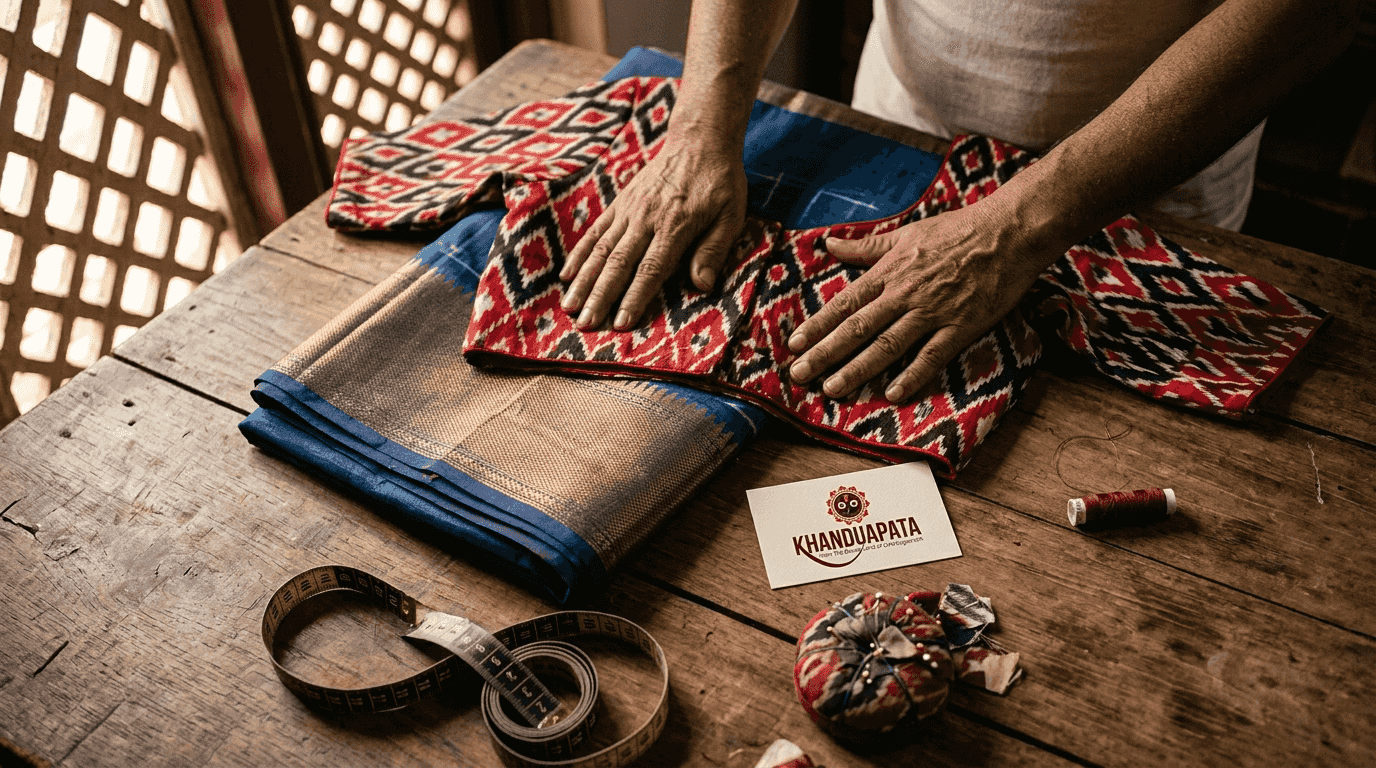
Odisha traditional tie-back blouses offer exceptional adjustability through clever construction techniques. Back ties allow you to customize fit precisely while showcasing intricate embroidery details. These patterns work wonderfully with silk handwoven sarees for formal occasions requiring refined elegance.
Modern sleeveless halter-neck blouses suit casual and urban ethnic wear perfectly. Clean lines and minimal embellishment keep the focus on your handwoven saree's beauty. This pattern choice works especially well for daytime events and relaxed social gatherings.
Adjustable drawstring blouses provide versatile fit options accommodating various saree draping styles. The flexible design adapts whether you prefer traditional pleating or contemporary draping methods. This practical feature makes these patterns favorites among women who own diverse saree collections.
Each pattern category balances traditional aesthetics with contemporary comfort requirements. You get cultural authenticity without sacrificing modern wearability expectations. This equilibrium makes these patterns enduring choices transcending seasonal fashion cycles.
- Pochampally geometric patterns honor Telangana weaving heritage
- Odisha tie-back designs offer customizable fit for formal wear
- Sleeveless halter styles provide casual elegance
- Drawstring patterns accommodate multiple draping techniques
- Traditional-modern balance ensures lasting style relevance
Explore beautiful blouse patterns for handwoven sarees that showcase India's rich textile traditions while meeting contemporary fashion standards.
Cultural heritage and regional blouse pattern variations
Regional blouse patterns dominate ethnic wear sales because they resonate deeply with cultural identity. Women gravitate toward designs reflecting their heritage or admired regional traditions. This emotional connection drives sustained demand despite changing fashion trends.
Pochampally's geometric patterns trace back centuries to temple weaving traditions in Andhra Pradesh. The distinctive ikat technique creates blurred edges and intricate designs requiring exceptional skill. These historical roots give the patterns authentic cultural weight that modern interpretations preserve.
Odisha's tie-back blouses emerged from practical needs in temple dancer costumes centuries ago. The adjustable back closure allowed performers freedom of movement during elaborate dance sequences. Today's versions maintain this functional elegance while incorporating contemporary embellishments.
Cultural significance fuels continued enthusiasm for these patterns in modern fashion contexts. Wearing regional designs connects you to ancestral traditions and community heritage. This meaningful dimension elevates ethnic fashion beyond mere aesthetic choices.
Regional craftsmanship integration with modern cuts expands these patterns' appeal nationwide. Designers respect traditional motifs while updating silhouettes for contemporary tastes. This approach preserves cultural authenticity while making patterns accessible to diverse audiences.
- Regional patterns maintain dominance through cultural resonance
- Pochampally geometric designs reflect temple weaving history
- Odisha tie-back styles evolved from dance costume functionality
- Cultural meaning drives demand beyond trend cycles
- Modern adaptations expand regional patterns' geographic appeal
Discover regional blouse pattern variations that celebrate India's diverse textile heritage through carefully crafted handwoven designs.
Use-case mapping: formal vs casual blouse patterns
Formal blouse patterns typically feature longer sleeves extending to three-quarter or full length. Intricate embroidery covers substantial surface area, creating luxurious visual impact. Traditional cuts with higher necklines convey elegance appropriate for weddings and ceremonial events.
Casual patterns embrace minimalistic aesthetics with clean lines and sparse embellishment. Sleeveless or halter-neck styles dominate this category for comfort during daily activities. The simplified designs allow your handwoven saree to remain the outfit's focal point.
Sell-through data supports preference alignment between occasion requirements and blouse characteristics. Retailers report formal designs with detailed work outsell simpler versions for special events. Conversely, everyday wear patterns favor comfort features over elaborate decoration.
Styling strategies vary significantly between formal and casual contexts. Pair formal blouses with heavily embellished sarees for cohesive opulence at grand celebrations. Match casual blouses with simpler daily wear sarees to maintain proportion and avoid visual overwhelm.
Adjustability features enhance comfort across both formal and casual selections. Ties and drawstrings accommodate different activity levels and duration of wear. This practical consideration proves especially valuable during long ceremonial events or busy workdays.
| Feature | Formal Patterns | Casual Patterns |
|---|---|---|
| Sleeve length | Three-quarter to full | Sleeveless or cap sleeves |
| Embroidery level | Extensive, intricate detailing | Minimal or accent only |
| Neckline style | High neck, traditional cuts | Boat neck, halter, contemporary |
| Best occasions | Weddings, festivals, ceremonies | Daily wear, casual gatherings |
| Comfort priority | Moderate, favors aesthetics | High, prioritizes ease |
Pro Tip: Keep one adjustable formal blouse and two comfortable casual patterns as your ethnic wardrobe foundation for maximum versatility.
Explore blouse patterns for formal vs casual wear that help you build a practical, stylish ethnic wardrobe for every occasion.
Sustainability and artisan collaboration in blouse pattern sourcing
Organic cotton and eco-friendly dyes experience surging demand in ethnic blouse production. Consumers increasingly reject synthetic materials and chemical treatments harming the environment. This shift drives manufacturers to adopt cleaner production methods across their pattern collections.
Local artisan collaborations preserve traditional embroidery techniques while providing fair wages. Partnerships between designers and village craftspeople ensure skills pass to younger generations. These relationships sustain cultural heritage while improving artisan livelihoods significantly.
Sustainable blouse patterns grow at impressive rates within ethnic fashion segments. Market analysis shows double-digit annual increases in eco-conscious blouse sales. This growth trajectory indicates sustainability transcends trend status to become permanent consumer expectation.
Ethically produced blouses merge cultural appreciation with social responsibility seamlessly. Choosing artisan-made patterns supports community development and skill preservation simultaneously. Your purchase becomes an investment in cultural continuity and equitable economic practices.
Transparent sourcing information empowers informed purchasing decisions. Brands sharing artisan stories and production methods build trust with conscious consumers. This transparency becomes a competitive advantage as awareness grows around fashion's environmental and social impacts.
- Organic fabrics and natural dyes become standard expectations
- Artisan partnerships preserve embroidery skills across generations
- Sustainable pattern sales show strong upward trends
- Ethical choices support cultural heritage and fair trade
- Transparency in sourcing builds consumer trust and loyalty
Find sustainable blouse options crafted with eco-friendly materials and traditional techniques that honor both environment and heritage.
Expert opinions on ethnic blouse fashion
Top fashion stylists emphasize blending tradition with modernity to keep ethnic wear culturally relevant. They recommend selecting patterns showcasing traditional motifs executed with contemporary construction techniques. This balance creates outfits resonating across generational preferences.
Fabric and pattern harmony emerges as a critical factor in achieving polished ethnic looks. Experts advise matching blouse textile weight and texture to your saree's characteristics. This coordination prevents one element from overpowering the other visually.
Future trend predictions point toward greater emphasis on comfort, versatility, and sustainability. Industry leaders anticipate continued innovation in adjustable features and eco-friendly materials. These developments will expand ethnic fashion accessibility while reducing environmental footprints.
Blouses with adjustable features receive strong endorsement from styling professionals. The customization capability these patterns offer solves fit challenges plaguing ready-to-wear ethnic clothing. Stylists consistently recommend adjustable options for clients seeking reliability and comfort.
Cultural respect combined with design innovation produces enduring blouse styles transcending fleeting trends. Experts observe that patterns honoring heritage while embracing practical improvements achieve lasting popularity. This principle guides successful ethnic fashion development across the industry.
"The most successful ethnic blouse patterns honor cultural roots while meeting modern comfort expectations. Women want tradition they can actually wear, not museum pieces. Adjustable, sustainable designs that tell cultural stories win every time."
Learn from expert blouse pattern advice incorporated into beautifully crafted designs that balance heritage with contemporary wearability.
Summary comparison and situational recommendations
Comparing popular blouse patterns clarifies decision-making for your specific needs and preferences. Each style offers distinct advantages depending on occasion, comfort priorities, and cultural expression goals. Understanding these differences empowers confident wardrobe investments.
Pochampally geometric and Odisha tie-back designs excel for formal occasions requiring traditional elegance. Their cultural authenticity and detailed craftsmanship suit weddings, festivals, and ceremonial events perfectly. These patterns make powerful statements about heritage appreciation and style sophistication.
Sleeveless and halter-neck patterns shine in casual settings emphasizing comfort and ease. Their simplified construction and modern cuts adapt well to daily wear and informal gatherings. These options work beautifully when you want understated elegance without sacrificing practicality.
Sustainability-conscious buyers should prioritize artisan-made blouses using organic cotton and natural dyes. These choices support ethical production while delivering quality craftsmanship. The investment pays dividends through durability and meaningful community impact.
Tradeoffs exist between cultural authenticity, occasion appropriateness, and personal comfort levels. No single pattern perfectly serves every situation or preference. Your ideal wardrobe includes diverse options addressing different contexts and moods.
| Pattern Type | Cultural Authenticity | Comfort Level | Best Occasions | Sustainability |
|---|---|---|---|---|
| Pochampally Geometric | Very High | Moderate | Formal, festivals | Medium to High |
| Odisha Tie-Back | Very High | High | Formal, traditional events | Medium to High |
| Modern Sleeveless | Low to Medium | Very High | Casual, urban wear | Variable |
| Adjustable Tie | Medium | Very High | All occasions | High |
Pro Tip: Start with one adjustable tie pattern in a neutral color that works across multiple sarees before investing in specialized formal or casual designs.
- Choose Pochampally or Odisha patterns for formal cultural events
- Select sleeveless or halter styles for comfortable casual wear
- Prioritize artisan-made organic options for sustainability
- Consider adjustable patterns for maximum versatility
- Build your collection gradually based on actual wearing occasions
Browse comprehensive blouse pattern collections offering diverse styles that honor tradition while embracing modern comfort and sustainability standards.
Explore Khanduapata's ethnic blouse and saree collections
Your search for the perfect blouse patterns ends with collections honoring India's handwoven textile heritage. Khanduapata curates sustainable, artisan-crafted blouses designed specifically to complement traditional sarees beautifully.
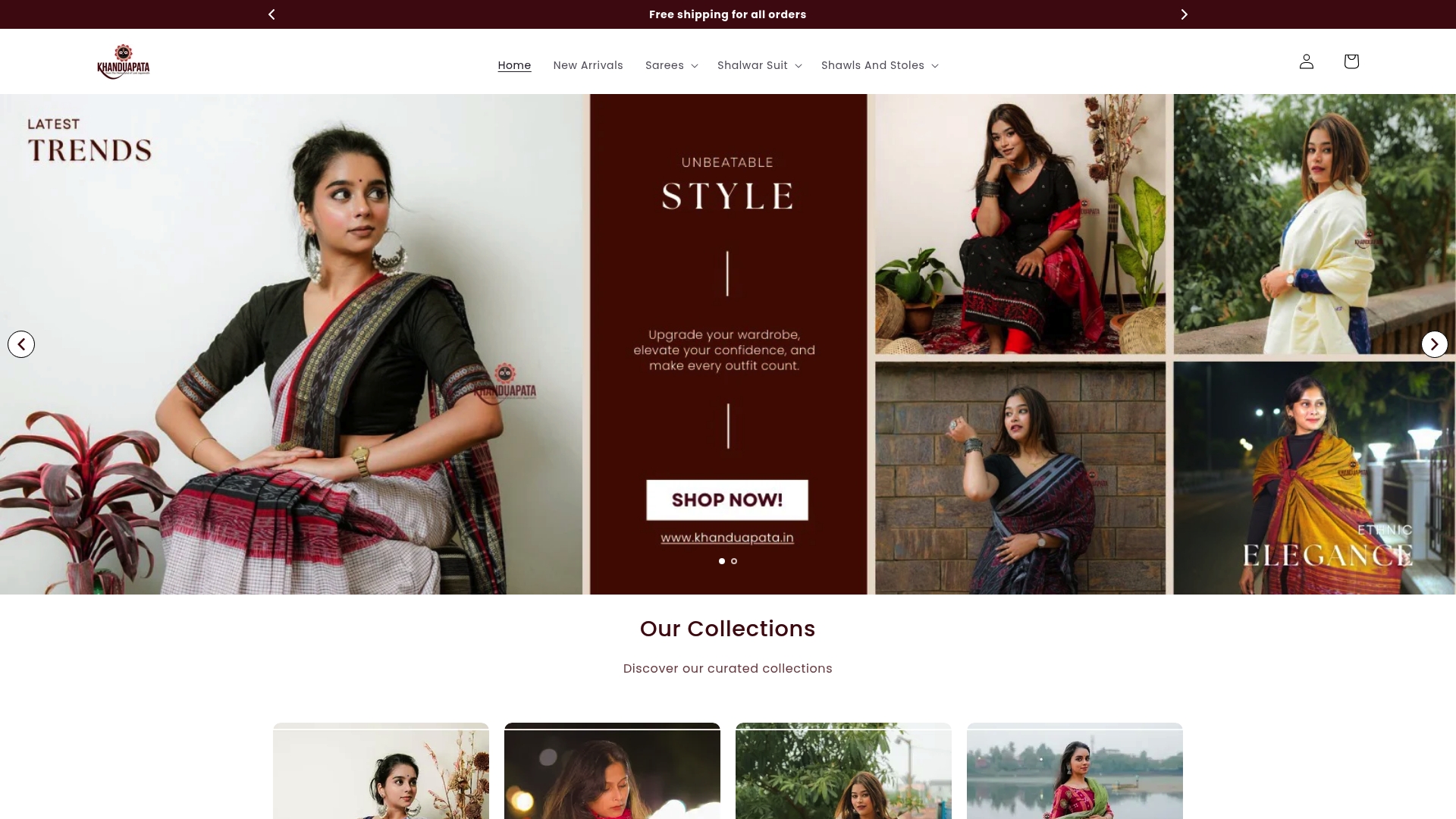
Our tribal design cotton sarees and temple design cotton sarees pair wonderfully with the blouse patterns discussed throughout this guide. Each piece reflects generations of weaving expertise passed down through our family's devotion to Lord Jagannath's sacred tradition. Explore Khanduapata today to discover styles blending heritage with contemporary fashion sensibilities, elevating your ethnic wardrobe with trusted quality and exceptional craftsmanship.
FAQ
Which blouse patterns suit handwoven cotton sarees best?
Pochampally geometric patterns and adjustable tie-back designs suit cotton handwoven sarees exceptionally well. These styles balance traditional aesthetics with practical wearability while echoing the saree's craftsmanship. The cultural fit and comfort features make them reliable choices.
How can I ensure a perfect fit with ethnic blouse patterns?
Choose patterns featuring adjustable ties, drawstrings, or elastic elements allowing fit customization. Take accurate measurements of your bust, waist, and shoulders before selection. Consider your saree fabric weight and consult styling advice for optimal compatibility and comfort.
Are sustainable blouse patterns widely available in 2026?
Yes, sustainable patterns using organic fabrics and artisan embroidery become increasingly common in ethnic fashion today. Market growth in eco-conscious options reflects rising consumer demand for environmentally responsible choices. Supporting these sustainable blouse options benefits artisan communities while reducing environmental impact significantly.
What makes Odisha tie-back blouses special?
Odisha tie-back blouses originated from temple dance costumes requiring movement flexibility and secure fit. The adjustable back closure provides customization while showcasing intricate traditional embroidery. These patterns work wonderfully with silk handwoven sarees for formal occasions demanding refined elegance.
