

Unstitched shalwar suits: tradition meets contemporary elegance
TL;DR:
- Unstitched shalwar suits offer full customization for fit, fabric, and design.
- They have a deep cultural history rooted in Mughal and regional traditions.
- Quality depends on fabric choice, seller reputation, and proper tailoring.
Ready-made fashion moves fast, but it rarely fits perfectly. Many shoppers assume that stitched, off-the-rack suits represent the modern standard, yet unstitched shalwar suits have remained a preferred choice for generations of style-conscious women across India. The reason is straightforward: unstitched suits give you full control over fit, fabric, and design. This guide covers the basics of unstitched shalwar suits, their cultural history, fabric options, styling strategies, and where to find quality pieces. Whether you are new to this format or looking to refine your choices, the information here applies directly to your wardrobe decisions.
Table of Contents
- What is an unstitched shalwar suit?
- History and cultural significance of shalwar suits
- Types of unstitched shalwar suits: Fabrics, patterns, and embellishments
- How to choose and style your unstitched shalwar suit
- Where to shop for high-quality unstitched shalwar suits
- Why unstitched shalwar suits will never go out of style
- Embrace elegant tradition with our unstitched shalwar suit collection
- Frequently asked questions
Key Takeaways
| Point | Details |
|---|---|
| Customize your style | Unstitched shalwar suits let you tailor fabric, fit, and design for any occasion. |
| Embrace tradition | These suits hold a rich cultural legacy and remain relevant in modern Indian fashion. |
| Choose quality fabrics | Selecting the right fabric enhances comfort, durability, and the overall look. |
| Shop smart | Trusted retailers and careful selection help ensure you find authentic, elegant unstitched suits. |
What is an unstitched shalwar suit?
An unstitched shalwar suit is a set of fabric pieces sold together but not sewn into a finished garment. You take the fabric to a tailor, provide your measurements, and the suit is stitched to your exact specifications. This format is standard across India and much of South Asia, and it remains popular because it solves the fit problem that plagues most ready-made clothing.
The standard set includes three components:
- Kameez fabric: The top portion, typically ranging from 2.5 to 3 meters.
- Shalwar fabric: The trouser section, usually 2 to 2.5 meters.
- Dupatta: A long scarf or stole, often 2 to 2.5 meters, used as a drape or accessory.
Each piece is uncut and unsewn, which means you decide the neckline, sleeve length, trouser style, and overall silhouette. As noted in a detailed shalwar suit traditions guide, unstitched suits allow complete customization in terms of fit and design. That level of control is simply not available with ready-made options.
The advantages over pre-stitched suits are practical. Ready-made suits are produced in standard sizes that rarely match real body proportions. Unstitched fabric, by contrast, accommodates every body type without alteration costs. You also choose the design details, which means no two suits look identical.
A majority of Indian women prefer customization for festive and formal attire, which explains why unstitched suits continue to dominate wedding seasons and celebration shopping.
Pro Tip: Choose fabrics that match both your local climate and personal style. Cotton works well in warmer regions, while silk and georgette suit cooler months and formal events.
History and cultural significance of shalwar suits
The shalwar suit has a long history rooted in the Mughal period, when it became a standard form of dress across the Indian subcontinent. Mughal courts favored layered, flowing garments, and the kameez-shalwar combination fit that aesthetic well. Over centuries, regional variations developed, each reflecting local embroidery traditions, fabric preferences, and ceremonial uses.
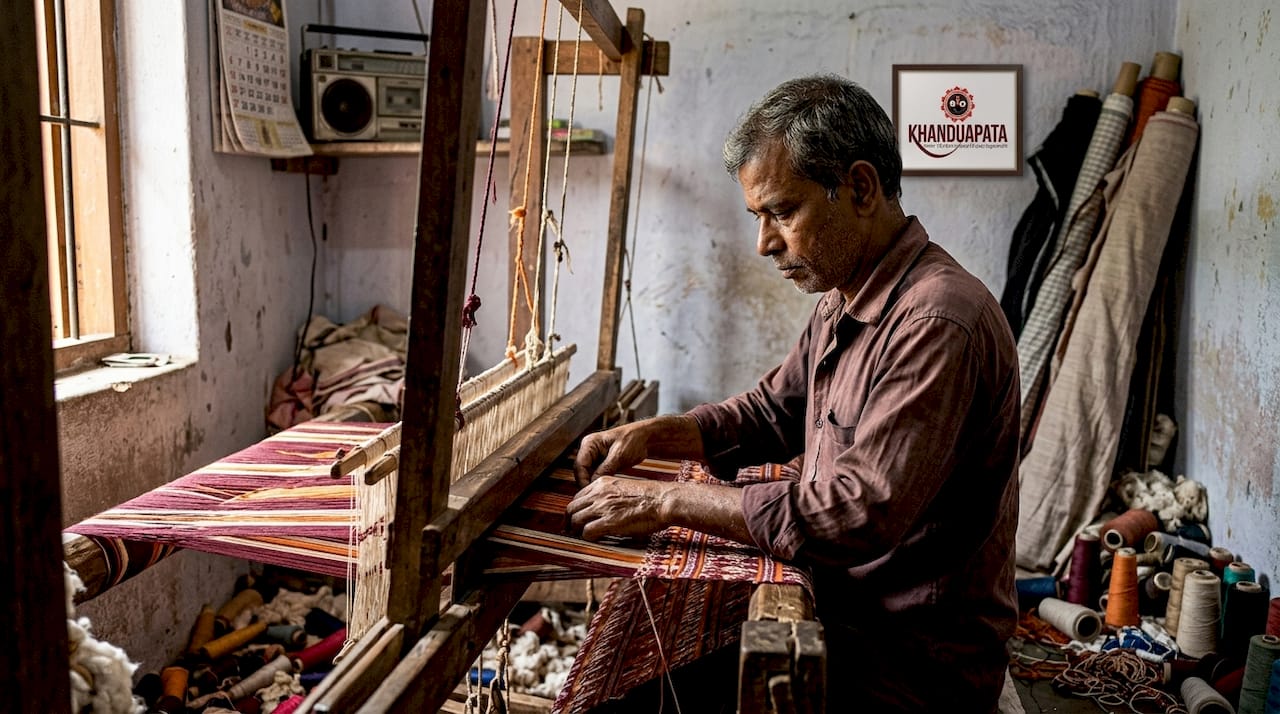
The suit’s cultural relevance has not faded. As documented in a comprehensive shalwar suit history resource, the shalwar suit has a rich history and remains a symbol of elegance in Indian and South Asian culture. That status is visible at every major life event, from weddings to religious festivals to formal gatherings.
Here is how the shalwar suit evolved across key periods:
- Mughal era (1526 onward): The kameez-shalwar silhouette became formalized in court dress, with embroidery and fine fabric marking social status.
- Colonial period: The suit adapted to include lighter fabrics and simpler cuts, making it accessible to a broader population.
- Post-independence India: Regional styles such as Punjabi suits, Anarkali cuts, and churidar variations gained national popularity.
- Contemporary era: Designers now blend traditional embroidery with modern silhouettes, creating suits that work for both traditional ceremonies and urban professional settings.
“Shalwar suits have withstood the test of time due to their versatility and deep cultural roots.”
This staying power comes from the suit’s ability to carry cultural meaning while adapting to new contexts. A handwoven cotton suit worn at a local festival carries the same structural identity as a silk embroidered suit worn at a formal wedding. The format is flexible enough to serve both purposes.
Types of unstitched shalwar suits: Fabrics, patterns, and embellishments
Understanding the tradition, the next step is to consider the types and decorative possibilities available today. The choice of fabric determines comfort, occasion suitability, and overall appearance.
As outlined in a detailed fabric comparison for suits, cotton, silk, and georgette each offer unique drape and comfort for different occasions.
| Fabric | Best occasion | Climate suitability | Key characteristic |
|---|---|---|---|
| Cotton | Daily wear, casual events | Warm and humid climates | Breathable, easy to maintain |
| Silk | Weddings, formal events | Cooler months | Lustrous finish, regal appearance |
| Georgette | Festive, semi-formal | Moderate climates | Flowy, lightweight, dynamic drape |
| Chanderi | Festive, daytime events | Transitional seasons | Sheer texture, traditional look |
Popular patterns include printed designs, hand embroidery, block prints, and solid colors. Each carries a different visual weight. Printed fabrics suit casual and daily wear. Embroidered and zari work fabrics are reserved for formal and festive occasions.
For embroidered cotton suits, the combination of breathable fabric with decorative needlework makes them a practical choice for events that require both comfort and style.
Trendiest design elements for 2026:
- Mirror work (shisha): Geometric patterns with small embedded mirrors, popular in western and central Indian styles.
- Zari borders: Gold or silver thread borders along the kameez hem and dupatta edges.
- Floral block prints: Large-scale botanical prints in earthy or jewel tones.
- Tone-on-tone embroidery: Thread color matching the base fabric for a subtle, textured effect.
- Contrast dupatta: A dupatta in a contrasting color or pattern to add visual interest to a solid kameez.
How to choose and style your unstitched shalwar suit
With the landscape of fabrics and styles clear, attention can turn to making the right choices and styling your look. The process is straightforward when broken into steps.
- Take accurate measurements. Measure your bust, waist, hip, and preferred kameez length before selecting fabric. Share these with your tailor at the start.
- Select fabric based on occasion. Cotton for daily use, silk or georgette for events. Check the guide to choosing unstitched suits for detailed fabric guidance.
- Pick a pattern that suits your body type. Vertical prints elongate the silhouette. Large prints work well on taller frames. Solid colors and small prints suit most body types.
- Choose a tailor with experience in shalwar suits. Show reference images. Specify neckline style, sleeve length, and trouser cut before stitching begins.
Pro Tip: Discuss your complete vision with your tailor before any cutting begins. Bring a photo reference for neckline and sleeve styles. Changes after cutting are costly and sometimes impossible.
| Occasion | Recommended fabric | Pattern | Accessory |
|---|---|---|---|
| Casual daily wear | Cotton | Solid or small print | Minimal jewelry, flats |
| Office or workwear | Cotton or Chanderi | Subtle print or solid | Stud earrings, formal footwear |
| Festive event | Silk or Georgette | Embroidered or zari | Statement earrings, heels |
| Wedding function | Silk | Heavy embroidery | Full jewelry set, embellished footwear |
For a reliable starting point, a maroon unstitched suit in pure cotton offers versatility across casual and semi-formal settings.
Where to shop for high-quality unstitched shalwar suits
Knowing where to shop ensures your effort translates into a satisfying result. Both online and offline options are available, each with distinct advantages.
As noted in a current shopping for shalwar suits resource, online platforms now offer wide-ranging collections and secure delivery of designer unstitched suits. This makes it practical to access regional weaves and specialty fabrics without traveling to specific markets.
For first-time buyers, here are five buying tips:
- Check fabric composition. Product listings should specify whether the fabric is pure cotton, blended, or synthetic. Pure fabrics cost more but perform better over time.
- Read verified reviews. Look for reviews that mention fabric quality, color accuracy, and packaging. Avoid sellers with no review history.
- Compare fabric weight. Heavier cotton suits are more durable. Lighter georgette suits drape better. Weight specifications are listed on reputable product pages.
- Verify return and exchange policies. Unstitched fabric is easier to return than stitched garments, but policies vary by seller.
- Start with a trusted brand. For your first purchase, choose a seller with an established reputation and clear product photography.
A product like the maroon yellow cotton suit illustrates what to look for: clear fabric details, design specifications, and consistent product imagery.
Why unstitched shalwar suits will never go out of style
Ready-made fashion operates on seasonal cycles. Trends arrive, dominate retail shelves for a few months, and then disappear. Unstitched shalwar suits operate on a different logic entirely.
The format is not tied to a single silhouette or trend. You select the cut, the embellishment level, and the occasion suitability each time you commission a new suit. That adaptability means the format remains relevant regardless of what is currently popular in retail stores.
There is also a cultural dimension that ready-made fashion cannot replicate. Each unstitched suit carries the potential to reflect regional craft traditions, family preferences, and personal identity. A timeless style guide notes that the best-dressed are never limited by factory sizes. That observation holds. When fit is precise and design is personal, the result is always more considered than anything pulled from a standard rack.
Modern fashion consistently returns to traditional craft for inspiration. Handwoven fabrics, regional embroidery, and natural fibers appear regularly in high-end collections. Unstitched shalwar suits have always carried these qualities as standard, not as seasonal features.
Embrace elegant tradition with our unstitched shalwar suit collection
At Khanduapata, our unstitched shalwar suits are rooted in a handweaving tradition connected to the heritage of Lord Jagannath. Each piece is crafted with attention to fabric quality, design integrity, and cultural authenticity.
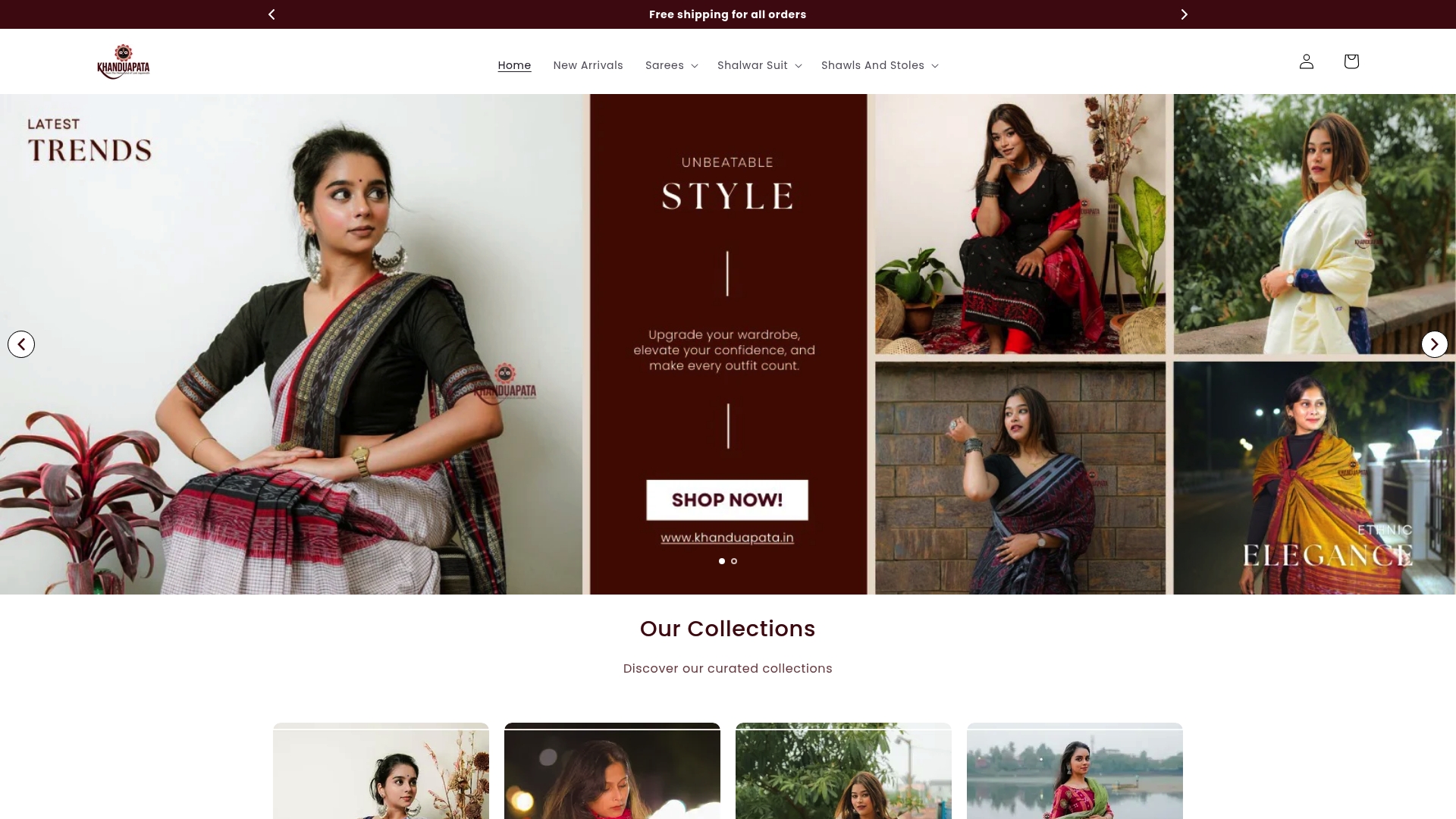
Our collection includes pure cotton suits, embroidered options, and ethnic designs suited to a range of occasions. The brown ethnic unstitched suit and the maroon cotton suit represent the range of styles available. Each piece is ready for tailoring to your exact measurements. Visit Khanduapata to view the full collection and select a suit that reflects your style and cultural preferences.
Frequently asked questions
What is included in an unstitched shalwar suit set?
Typically, you receive three fabric sections for the kameez, shalwar, and dupatta, all ready to be tailored to your measurements.
How do I know if the fabric quality is good?
Quality indicators include fabric texture, weight, and seller reputation. Look for trusted sellers and check verified customer reviews before purchasing.
Are unstitched shalwar suits suitable for all occasions?
Yes. By selecting the right fabric and embellishments, these suits can be tailored for casual, festive, or formal events without limitation.
Is tailoring an unstitched suit difficult?
A skilled local tailor can stitch your suit accurately using your measurements and design preferences. Unstitched suits are intended for straightforward tailoring and full customization.
